In the demanding world of industrial automation, proximity sensors are the silent sentinels, detecting the presence or absence of objects without physical contact. However, in machining centers, CNC lathes, and other metalworking applications, these critical components face a relentless assault from oils, coolants, and metal shavings. Standard sensors often succumb to this harsh environment, leading to premature failure, unplanned downtime, and costly production losses. This is where specialized oil and coolant resistant proximity sensors become indispensable, engineered specifically to thrive where others fail.
The primary adversaries in these environments are petroleum-based oils, synthetic coolants, and emulsified cutting fluids. These substances can degrade standard sensor housings, seep into internal electronics, and coat sensing faces, causing erratic performance or complete sensor failure. Metal chips and swarf pose an additional mechanical threat, potentially abrading or damaging the sensor body. A sensor designed for such conditions must therefore excel in two key areas: robust external sealing and internal protection.
Superior sealing is the first line of defense. High-quality oil-resistant proximity sensors feature housings typically constructed from corrosion-resistant materials like stainless steel (e.g., V2A/AISI 304, V4A/AISI 316) or nickel-plated brass. The critical factor is the ingress protection (IP) rating. For reliable operation in coolant-flooded areas, a rating of IP67 is considered the minimum, providing protection against temporary immersion. For more severe applications, such as high-pressure washdown or permanent submersion, ratings of IP68 and IP69K are essential. IP69K certifies the sensor can withstand close-range, high-pressure, high-temperature water jets, making it ideal for environments requiring rigorous cleaning.
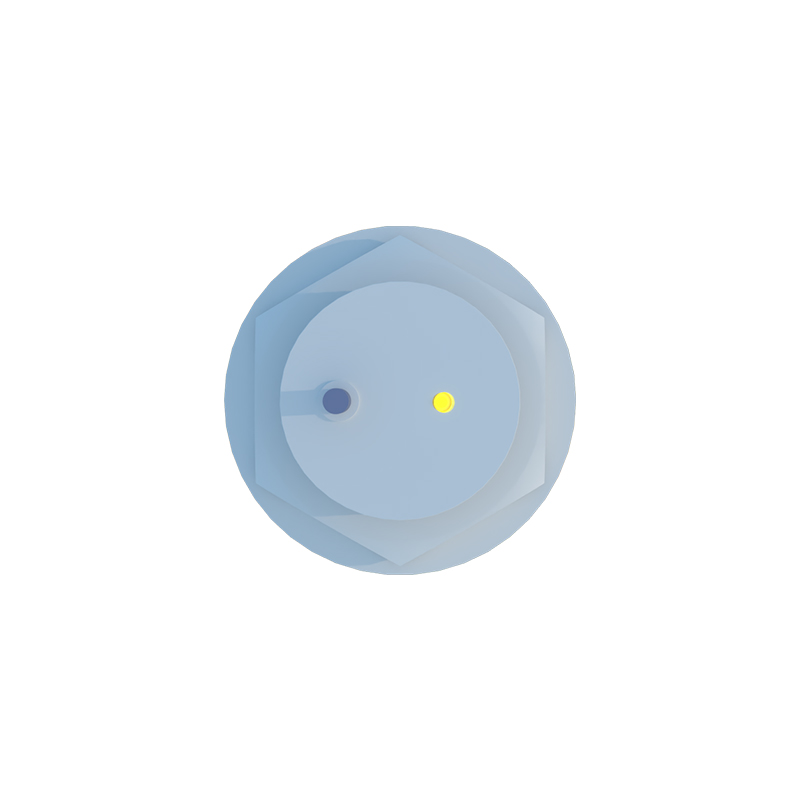
The sealing technology itself is paramount. High-grade nitrile (NBR) or fluorocarbon (FKM/Viton) O-rings and gaskets are employed at all potential entry points—the cable gland, housing seams, and sensing face. These elastomers are specifically formulated to resist swelling, hardening, or chemical degradation when exposed to hydrocarbons, esters, and synthetic lubricants commonly found in industrial coolants. The sensing face, often made of a specialized PPS (Polyphenylene Sulfide) or PBT (Polybutylene Terephthalate) plastic, is also chemically inert and resistant to cracking or clouding from fluid exposure.
Internally, the electronic components are potted with a resilient epoxy resin. This potting compound completely encapsulates the circuit, providing a hermetic seal against any fluid that might bypass the external seals. It also offers excellent resistance to thermal shock and vibration, common in machining environments. This dual-layer protection—external sealing and internal potting—ensures long-term reliability and signal stability.
Beyond material resistance, the electrical performance must remain uncompromised. Inductive proximity sensors, the most common type for metal detection in these settings, are available in both shielded and unshielded designs. Shielded models can be flush-mounted in metal, offering excellent mechanical protection from chips and impacts. Their sensing range is slightly reduced compared to unshielded models, but they are less susceptible to interference from adjacent metal structures. The choice depends on the specific mounting constraints and detection requirements of the application.
When selecting an oil and coolant resistant sensor, engineers must consider several application-specific factors:
1. Fluid Type: Confirm the sensor's compatibility with the exact oils and coolants used. Manufacturer datasheets provide detailed chemical resistance charts.
2. Temperature Range: Ensure the sensor's operational temperature range accommodates both the ambient heat and the temperature of the fluids it will contact.
3. Pressure & Washdown: For applications involving high-pressure cleaning, specify IP69K-rated sensors.
4. Output Type: Choose between PNP (sourcing) or NPN (sinking) DC outputs, or AC models, to match the control system's input card requirements.
5. Connection Style: Pre-wired cables or quick-disconnect (M12, M8) connectors offer different advantages for maintenance and replacement.
The investment in purpose-built, oil and coolant resistant proximity sensors yields significant returns. They dramatically reduce machine downtime by eliminating sensor failures caused by fluid ingress. Maintenance intervals are extended, and the total cost of ownership is lowered despite a potentially higher initial purchase price. Consistent, reliable detection ensures machining processes remain precise, protecting valuable workpieces and tools from collisions caused by faulty signals.
In conclusion, for any automated equipment operating in the presence of cutting fluids, lubricants, and conductive contaminants, specifying high-grade oil and coolant resistant proximity sensors is not an option—it is an engineering necessity. They are the robust, reliable solution that guarantees continuous operation, enhances process safety, and safeguards productivity in the most challenging industrial landscapes. By understanding the technology behind their resilience, engineers can make informed selections that optimize performance and