Proximity sensors are widely used in industrial automation for detecting the presence or absence of objects without physical contact. Among the various types, inductive proximity sensors are particularly common due to their reliability and durability in harsh environments. However, a frequent question arises in the industry: Can proximity sensors detect aluminum? The answer is nuanced and depends on the sensor type, material properties, and application conditions.
Inductive proximity sensors operate by generating an electromagnetic field. When a metallic object enters this field, eddy currents are induced in the material, causing a change in the sensor's oscillation amplitude. This change triggers the sensor to output a signal, indicating detection. Typically, these sensors are optimized for ferrous metals like iron and steel, which have high magnetic permeability. Aluminum, being a non-ferrous metal with low magnetic permeability, presents a challenge. Standard inductive sensors may have reduced sensing ranges for aluminum compared to steel, often requiring adjustments or specialized models.
The detectability of aluminum depends on factors such as the sensor's frequency, coil design, and the aluminum alloy's conductivity. Pure aluminum has higher electrical conductivity than many steels, which can enhance eddy current generation, but its lack of ferromagnetic properties means it doesn't distort the magnetic field as strongly. To address this, some inductive sensors are specifically calibrated for non-ferrous metals. These sensors often use higher operating frequencies to improve sensitivity to materials like aluminum, copper, or brass. In practice, the sensing distance for aluminum might be reduced by 30-50% compared to steel, so engineers must account for this in system design.
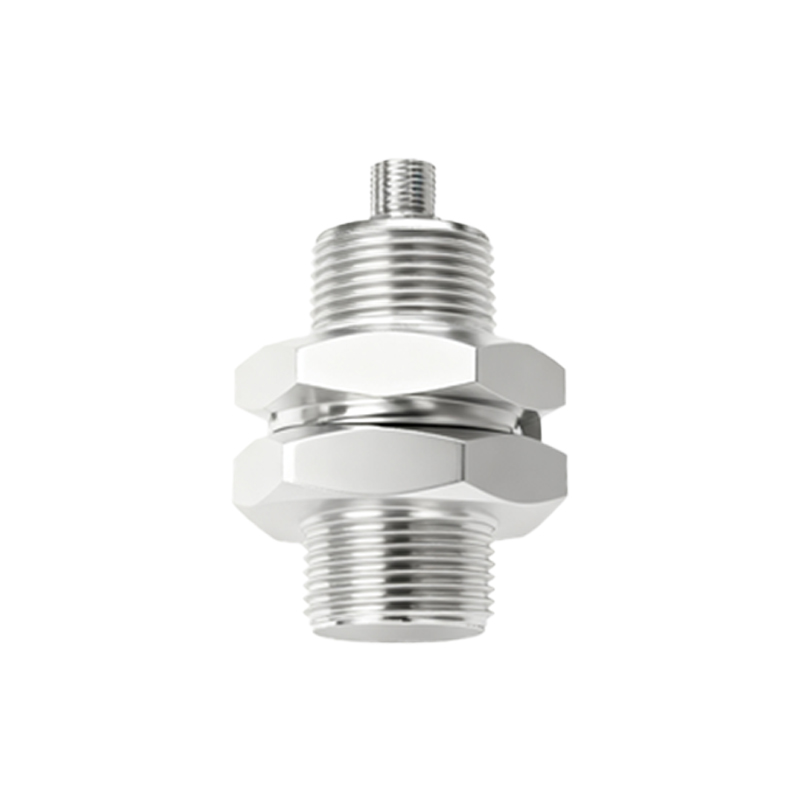
Capacitive proximity sensors offer an alternative for detecting aluminum, especially in non-metallic applications or where material composition varies. These sensors detect changes in capacitance when an object enters their electrostatic field, making them suitable for both conductive and non-conductive materials. For aluminum, capacitive sensors can be effective, but they may also respond to other environmental factors like moisture or dust, requiring careful calibration.
Ultrasonic and photoelectric sensors are other options, though they come with trade-offs. Ultrasonic sensors use sound waves to detect objects, working well with aluminum regardless of its magnetic properties, but they can be affected by temperature and surface texture. Photoelectric sensors rely on light beams and are versatile, but aluminum's reflective surface might cause false triggers or require specific beam alignment.
In industrial settings, selecting the right sensor for aluminum detection involves considering the application's requirements. For instance, in conveyor systems handling aluminum parts, inductive sensors with reduced sensing ranges might suffice if positioned correctly. In food packaging with aluminum foil, capacitive sensors could be preferable due to their ability to detect thin materials. Engineers should consult sensor datasheets, which often provide correction factors for different materials. Testing in real conditions is also crucial to ensure reliability.
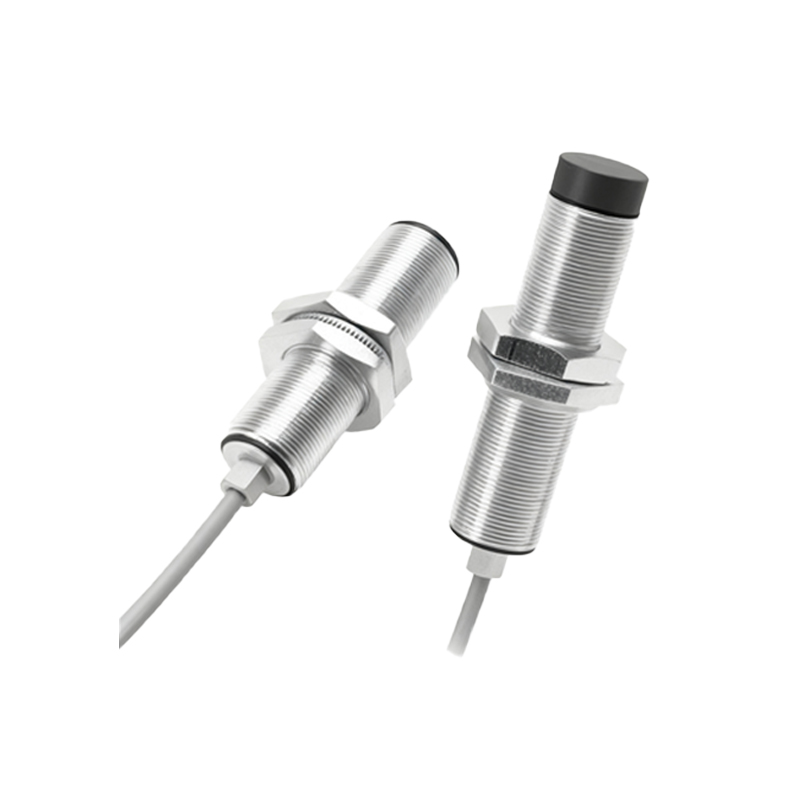
Maintenance and environmental factors play a role too. Aluminum detection can be influenced by temperature fluctuations, oxidation layers, or coatings on the material. Regular calibration and using sensors with robust housings (e.g., IP67 ratings) help maintain performance in demanding environments like automotive or aerospace manufacturing, where aluminum is prevalent.
In summary, proximity sensors can detect aluminum, but success hinges on choosing the appropriate sensor type and configuring it correctly. Inductive sensors are common but may require adjustments for optimal performance with aluminum, while capacitive, ultrasonic, or photoelectric sensors offer viable alternatives. By understanding material properties and application needs, engineers can implement effective sensing solutions that enhance automation efficiency and safety.