In the rapidly evolving landscape of industrial automation and smart systems, the 30s proximity light sensor has emerged as a critical component for precision detection and control. As an electrical engineer, understanding where to source, integrate, and apply these sensors is essential for optimizing performance in diverse applications. This guide delves into the key locations and contexts where 30s proximity light sensors are prominently utilized, addressing common queries and providing actionable insights.
Firstly, 30s proximity light sensors are extensively found in manufacturing and assembly lines. These environments demand high-speed, accurate object detection to ensure seamless operations. For instance, in automotive production, sensors are positioned along conveyor belts to monitor part placement, trigger robotic arms, or verify component presence within a 30-second cycle window. Their ability to detect minute variations in light reflection allows for real-time adjustments, reducing downtime and enhancing quality control. Engineers often install these sensors near critical checkpoints, such as packaging stations or quality inspection zones, where rapid response times are non-negotiable.
In the realm of consumer electronics, 30s proximity light sensors are integral to devices like smartphones, tablets, and smart home systems. Here, they are typically embedded near screens or casings to enable features like automatic display dimming or touchless gestures. For example, when a user brings a phone close to their ear during a call, the sensor detects proximity and turns off the screen to conserve battery. Engineers sourcing these components often turn to specialized electronics distributors or direct manufacturers, focusing on compact designs and low power consumption to meet consumer demands.
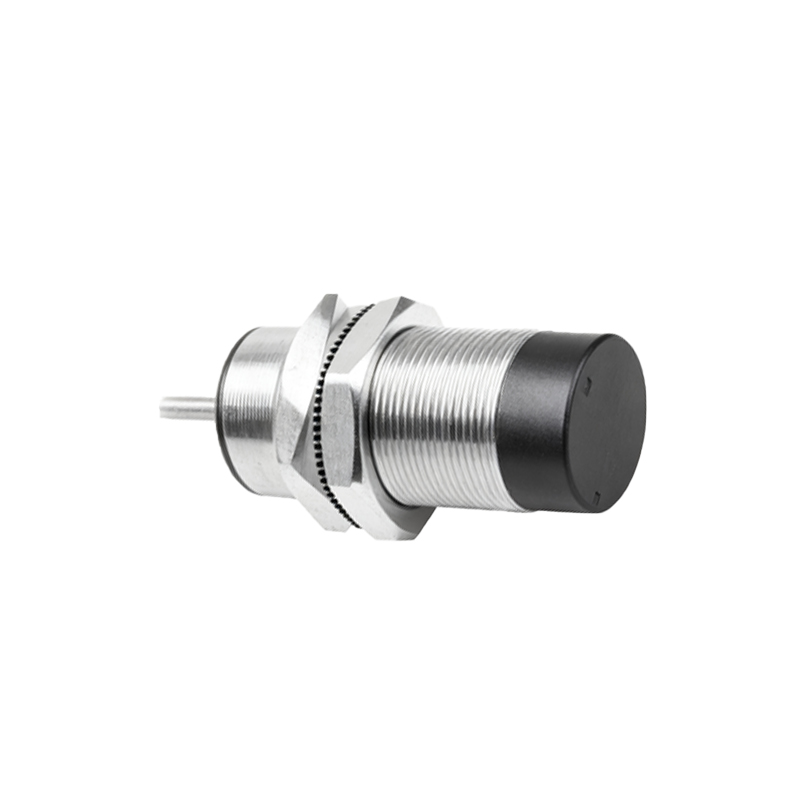
Another significant application area is in security and surveillance systems. Proximity light sensors are deployed in access control mechanisms, such as automatic doors or motion-activated lighting, where they detect movement within a 30-second timeframe to trigger alerts or actions. In high-security facilities, sensors might be concealed in entryways or perimeters to monitor unauthorized approach. Engineers should consider environmental factors like ambient light interference and weather resistance when selecting sensors for outdoor or harsh indoor settings, often consulting technical datasheets for specifications like detection range and response time.
For research and development laboratories, 30s proximity light sensors are utilized in experimental setups and prototyping. They facilitate precise measurements in optical experiments or robotic navigation, where timing accuracy is crucial. Engineers might source these sensors from scientific equipment suppliers or customize them through OEM partnerships, ensuring compatibility with data acquisition systems. In such contexts, calibration and testing are paramount, as even minor deviations can impact experimental outcomes.
When it comes to procurement, electrical engineers have multiple avenues to explore. Online marketplaces like Digi-Key, Mouser, or RS Components offer a wide range of 30s proximity light sensors from reputable brands, complete with datasheets and customer reviews. For bulk orders or customized solutions, direct engagement with manufacturers such as Omron, Panasonic, or Banner Engineering is advisable. These companies often provide technical support and application guides, helping engineers integrate sensors into specific projects. Additionally, industry trade shows and conferences serve as valuable hubs for discovering the latest sensor technologies and networking with suppliers.
Installation and maintenance are equally important considerations. Engineers must ensure proper alignment and shielding from external light sources to prevent false triggers. Regular calibration checks, as per manufacturer guidelines, help maintain sensor accuracy over time. In complex systems, integrating sensors with PLCs or microcontrollers via standard protocols like I2C or SPI enhances functionality, allowing for adaptive control based on proximity data.
In summary, 30s proximity light sensors are ubiquitous in modern engineering, from industrial automation to everyday gadgets. By identifying their key locations—be it on production floors, in electronic devices, or within security frameworks—engineers can leverage their capabilities for enhanced efficiency and innovation. Staying informed about sourcing options and best practices ensures successful deployment, driving advancements in the electrical industry.