Proximity sensors have become indispensable components in modern industrial automation, offering non-contact detection capabilities that enhance efficiency, safety, and reliability. This report analyzes several real-world application cases across different industries, highlighting the operational principles, sensor selection criteria, and performance outcomes.
In automotive manufacturing, inductive proximity sensors are extensively used for robotic welding applications. A major automotive plant implemented cylindrical shielded inductive sensors to detect metal components on assembly lines. The sensors operate on electromagnetic field principles, detecting ferrous metals within 15mm range without physical contact. Key advantages included elimination of mechanical wear, consistent detection accuracy of ±0.5mm, and operation in harsh environments with oil and metal particle contamination. The installation reduced maintenance frequency by 60% compared to mechanical limit switches and improved production line uptime by 22%.
The packaging industry presents unique challenges with diverse materials requiring detection. A food packaging facility employed capacitive proximity sensors for liquid level monitoring in transparent plastic containers. These sensors detect both metallic and non-metallic materials by measuring changes in capacitance. The selected sensors featured temperature compensation circuits maintaining stability within ±2% accuracy despite environmental fluctuations. Implementation resulted in 99.8% detection reliability, eliminating previous issues with optical sensors that struggled with transparent materials and condensation.
Material handling systems in logistics centers utilize ultrasonic proximity sensors for pallet detection and positioning. A case study from a distribution center demonstrated how ultrasonic sensors solved detection problems with irregularly shaped packages. The sensors emit high-frequency sound waves and measure reflection time, effectively detecting objects regardless of color, transparency, or material composition. The selected models featured background suppression technology, ignoring fixed structures beyond the 8-meter detection range. This solution reduced package misplacement incidents by 85% and increased sorting system throughput by 30%.
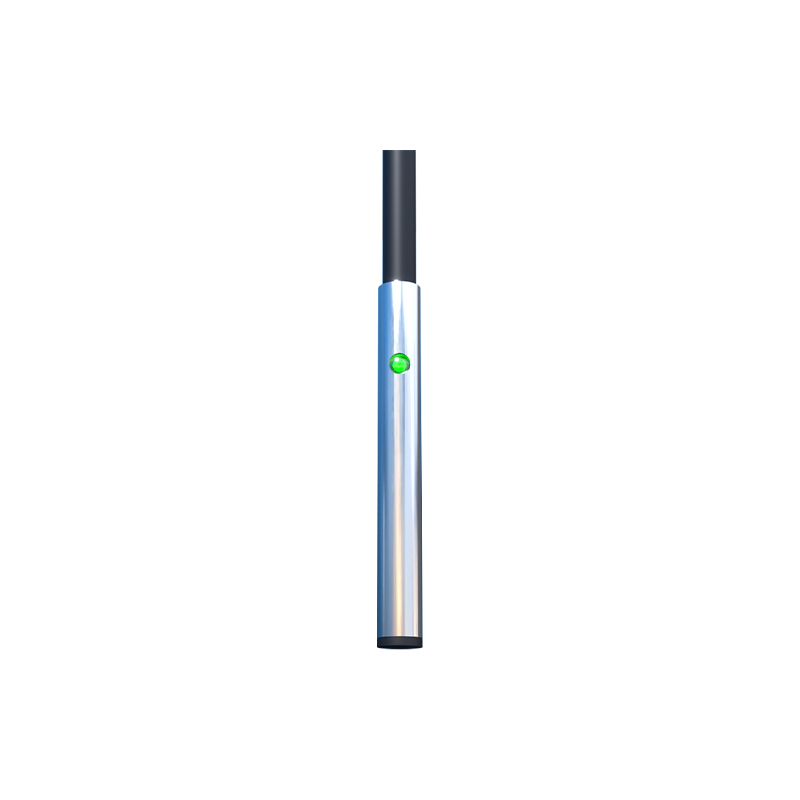
In metal fabrication, magnetic proximity sensors provide reliable position sensing for hydraulic cylinders. A steel processing plant implemented reed switch-based sensors to monitor cylinder extension in heavy punching machines. The sensors activate when permanent magnets mounted on piston rods enter their detection zone. Key benefits included complete immunity to metallic dust, ability to withstand shock vibrations up to 30g, and operational temperatures from -40°C to 150°C. The installation extended maintenance intervals from weekly to quarterly and prevented three potential machine damage incidents in the first year of operation.
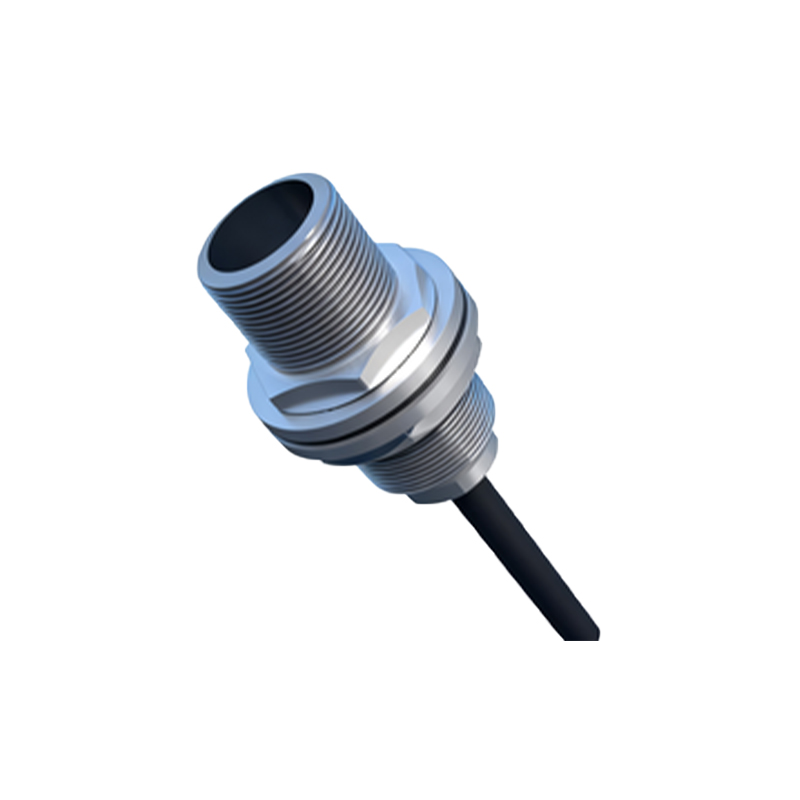
Pharmaceutical manufacturing requires stringent contamination control where photoelectric proximity sensors excel. A cleanroom tablet production line implemented diffuse reflective sensors with precise background suppression for blister packaging verification. The sensors use modulated infrared light to detect presence/absence of tablets in aluminum blisters, ignoring reflective packaging materials. The FDA-compliant stainless steel housings with IP69K ratings allowed regular washdown sterilization. This implementation achieved 100% inspection coverage compared to previous random sampling, with false rejection rates below 0.01%.
Selection criteria across applications consistently emphasized environmental suitability, sensing range requirements, response time, and output configuration. Industrial environments demanded sensors with IP67 or higher protection ratings, temperature stability, and EMI resistance. Response times under 1ms proved critical for high-speed applications, while analog outputs enabled precise position measurements in robotic systems.
Future trends indicate increasing integration of IO-Link communication capabilities, allowing parameter adjustment, diagnostics, and predictive maintenance through digital interfaces. Smart sensors with embedded condition monitoring are becoming standard in Industry 4.0 implementations, reducing downtime through early fault detection.
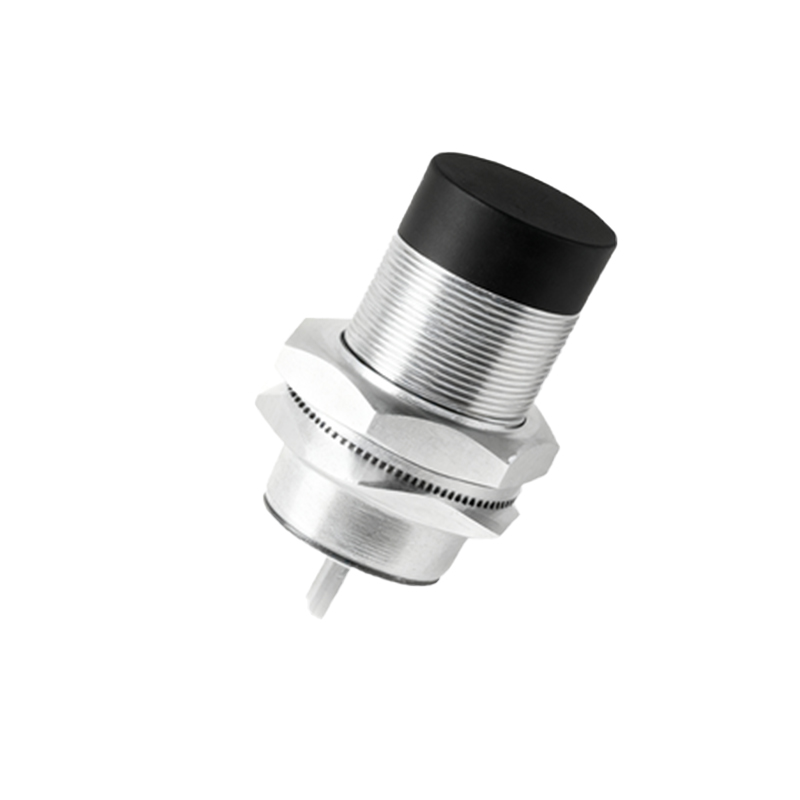
These case studies demonstrate that proper proximity sensor selection and application can significantly improve operational metrics across industries. The non-contact nature eliminates mechanical wear, while advanced sensing technologies adapt to challenging materials and environments. As automation complexity increases, proximity sensors will continue evolving with enhanced intelligence and connectivity features.