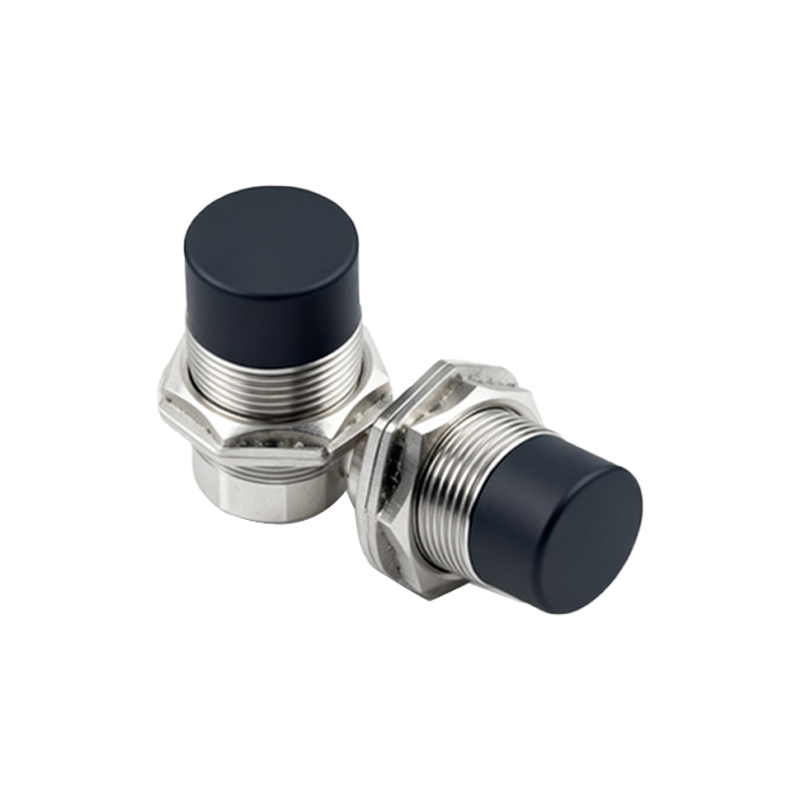
In the realm of industrial automation and control systems, proximity sensors are indispensable components for non-contact detection of objects. Among the various types, sensors classified by their output switching logic—Normally Open (NO) and Normally Closed (NC)—form a fundamental distinction that every engineer and technician must master. This article delves into the operational principles, wiring configurations, application scenarios, and selection criteria for NO and NC proximity sensors.
A proximity sensor, in its essence, detects the presence or absence of a target object within its sensing range without physical contact, typically using electromagnetic fields, light, or sound. The terms "Normally Open" and "Normally Closed" refer to the state of the sensor's output switch (be it a solid-state or relay output) when no target is present in the active sensing zone—the so-called "normal" condition.
A Normally Open (NO) Proximity Sensor is characterized by an open circuit in its output loop under normal, non-actuated conditions. When a target enters the sensor's detection field, the internal switch closes, completing the circuit and allowing current to flow to the connected load, such as a PLC input, relay coil, or indicator lamp. This action is akin to a momentary push-button switch that is off until pressed. NO sensors are predominantly used for initiating an action upon detection. Common applications include part presence verification to start a machine cycle, counting objects on a conveyor, or triggering a pneumatic actuator when a workpiece is in position. The logic is straightforward: detection equals an active signal.
Conversely, a Normally Closed (NC) Proximity Sensor maintains a closed circuit in its output loop when no target is detected. The presence of a target within the sensing range causes the internal switch to open, breaking the circuit and stopping the current flow to the load. This behavior mirrors a safety switch that is normally conducting until interrupted. NC configurations are crucial for safety-related and monitoring functions where a break in the circuit signifies a fault or requires an immediate halt. Typical uses involve safety interlocks on machine guards, where opening the guard (and thus bringing the target into range) must stop the machine. They are also employed in alarm systems for absence detection; for instance, if a crucial component like a fan blade stops rotating (target moves away), the sensor reverts to its closed state, potentially triggering a fault alert.
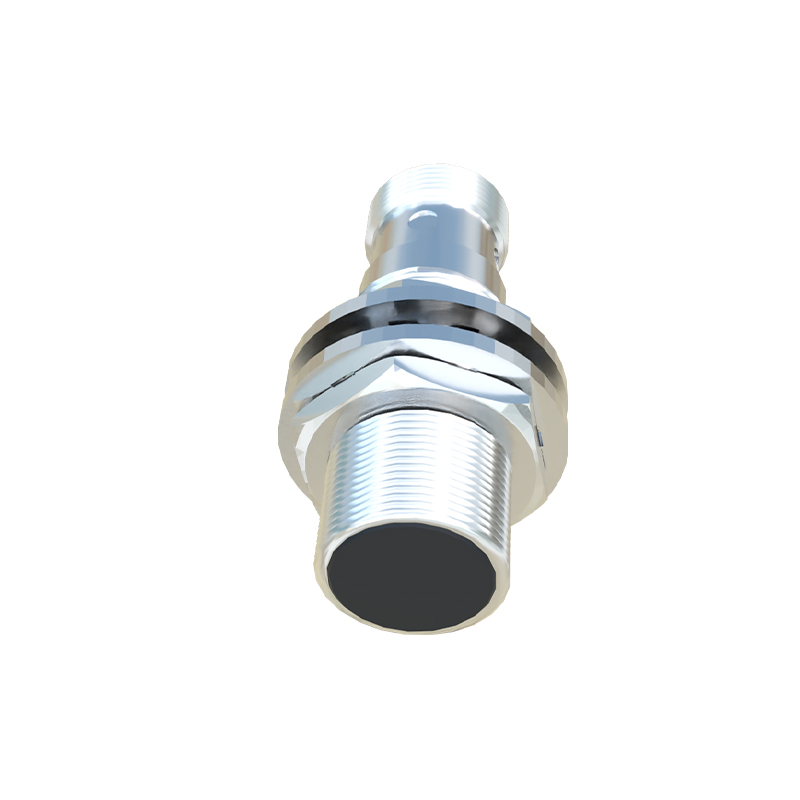
Wiring these sensors requires attention to their PNP (sourcing) or NPN (sinking) transistor output types, which is separate from the NO/NC logic. A three-wire DC sensor will have power (V+), ground (0V), and a signal output wire. For an NO sensor, the signal wire is "off" (at 0V for PNP, floating for NPN) normally and switches "on" (to V+ for PNP, to 0V for NPN) when activated. For an NC sensor, the opposite is true. It is paramount to consult the sensor's datasheet for the correct wiring diagram to interface properly with the controller.
The choice between NO and NC is not merely preference but is dictated by system safety, control logic, and fail-safe requirements. A core principle in safety design is "fail-safe." An NC sensor often provides a higher level of fail-safe detection for critical functions. If the sensor's wiring is cut or it loses power, the circuit opens, which can be designed to initiate a safe shutdown—a fault is detected as a "stop" signal. With an NO sensor, such a fault (open wire) would appear as "no target detected," potentially allowing a dangerous machine to continue operating. Therefore, safety interlocks and critical limit switches frequently utilize NC contacts.
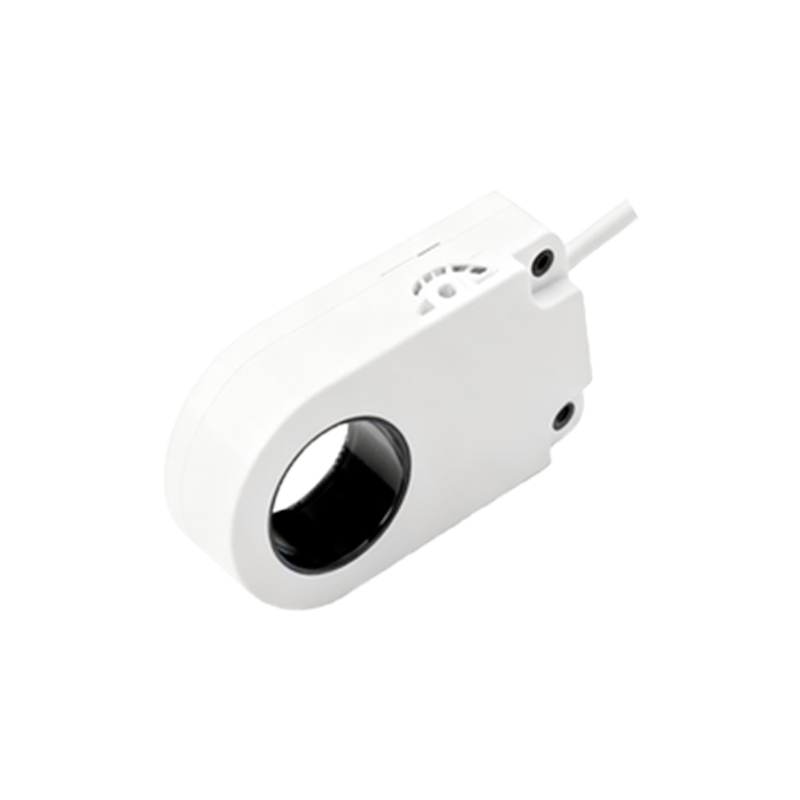
In standard process control, the selection often aligns with the desired PLC logic. If a PLC program is written expecting a "high" input to indicate presence, an NO PNP sensor is a natural fit. However, the logic can easily be inverted in software. The physical sensor choice might then depend on maintenance practices, existing system standards, or redundancy needs. Some advanced sensors even offer configurable NO/NC outputs via a selector switch or software, providing maximum flexibility.
Understanding the interplay between sensor state, output type, and control logic is vital for designing robust and safe automated systems. Misapplication can lead to system malfunctions or hazardous situations. Engineers must evaluate the machine's operational sequence, define what constitutes a normal versus an alarmed state, and specify sensors accordingly. Whether ensuring a robotic cell only operates when a guard is sealed (using NC) or confirming a bottle is present for filling (using NO), the correct deployment of Normally Open and Normally Closed proximity sensors is a cornerstone of efficient and reliable industrial automation.