Magnetic proximity sensors are widely utilized across various industrial applications due to their reliability, non-contact operation, and durability. These sensors detect the presence or absence of a magnetic field, typically from a permanent magnet, and are commonly used for position sensing, limit switching, and safety interlocks. A frequent issue encountered by maintenance engineers and technicians is the sensor's indicator light remaining constantly illuminated, even when the target magnet is not within the sensing range. This persistent illumination often signals an underlying problem that requires prompt attention to prevent machinery malfunction, production downtime, or safety hazards.
The primary function of the indicator light on a magnetic proximity sensor is to provide visual feedback on its operational state. Normally, the light turns on when the sensor detects the prescribed magnetic field (the "active" state) and turns off when the target is absent (the "inactive" state). A light that stays on continuously suggests the sensor is perpetually in its active state. This can stem from several root causes, which can be broadly categorized into sensor-related issues, magnetic interference, and wiring or power supply problems.
One of the most common sensor-related causes is internal failure. Over time, components within the sensor, such as the Hall-effect integrated circuit, the output switching transistor, or associated circuitry, can degrade or fail. This internal failure can cause the output to be latched in the "on" position, regardless of the magnetic field input. Physical damage to the sensor housing, often from impact, excessive vibration, or environmental exposure to contaminants like metal chips, oil, or moisture, can also lead to internal short circuits or component damage, resulting in a permanently activated state.
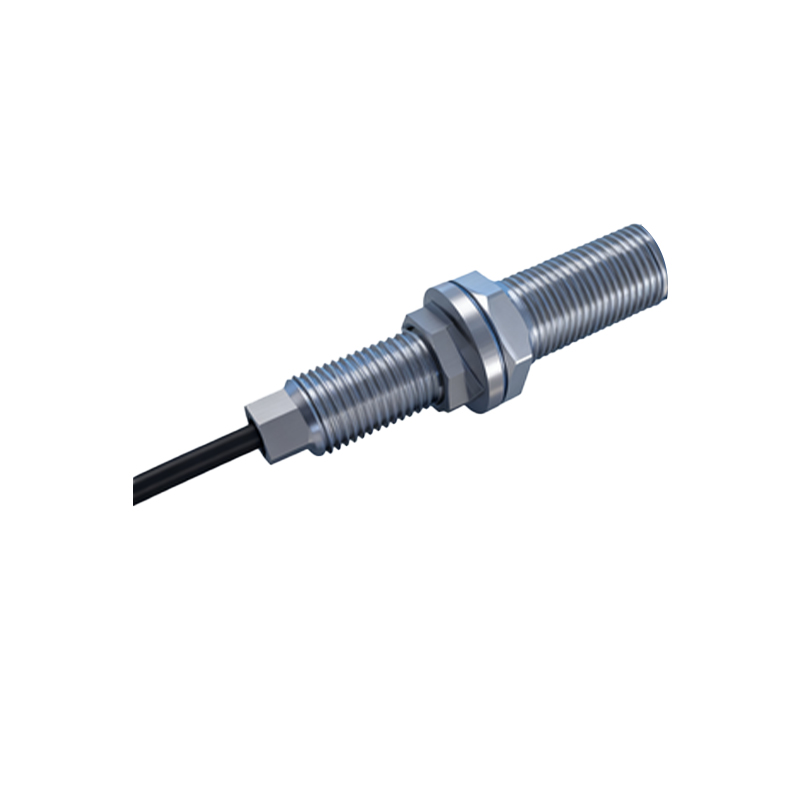
External magnetic interference is another significant factor. Magnetic proximity sensors are designed to respond to a specific magnetic field strength and polarity from their designated target magnet. However, stray magnetic fields from nearby equipment—such as large motors, transformers, solenoids, or even other sensors—can inadvertently trigger the sensor. This is particularly problematic in densely packed control panels or machinery with high electromagnetic noise. If the sensor's installation environment has changed, for instance, with the addition of new magnetic equipment, it may now be exposed to an ambient field strong enough to keep it activated.
Wiring and electrical issues constitute a third major category. Incorrect wiring, such as a short circuit between the signal output wire and the positive supply voltage, can directly cause the indicator light to stay on. Similarly, a faulty cable or damaged insulation can create unintended electrical paths. Power supply problems, including voltage spikes or an over-voltage condition, can overwhelm the sensor's internal electronics, causing a failure mode where the output is stuck. It is also crucial to verify that the sensor's specified voltage range matches the supplied power; using an incorrect power source can lead to abnormal operation.
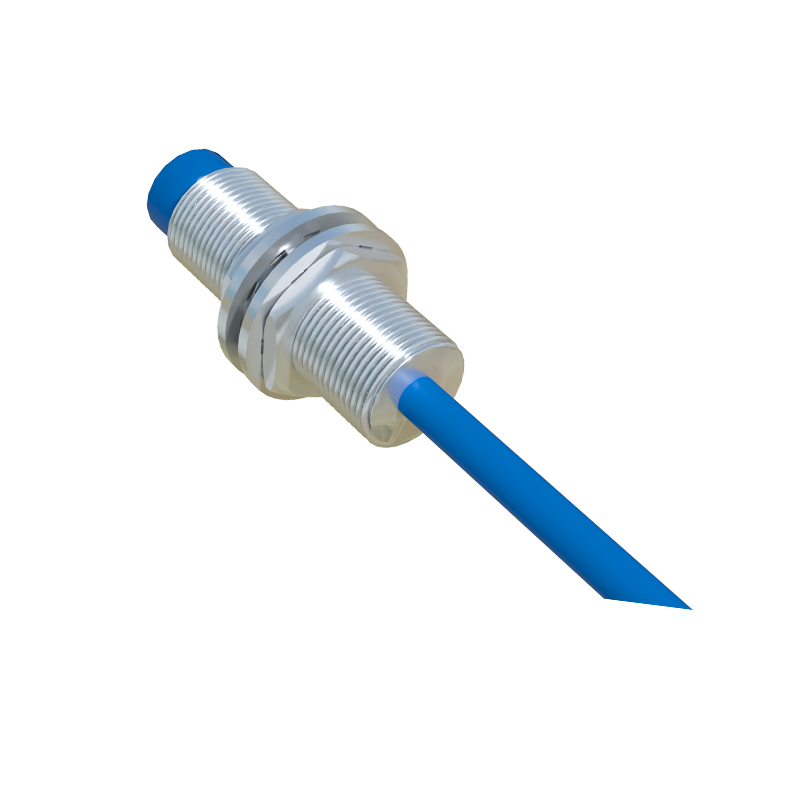
Diagnosing a magnetic proximity sensor with a constantly illuminated light requires a systematic approach. Begin by consulting the sensor's datasheet to understand its normal operating behavior, output type (e.g., NPN sinking, PNP sourcing, NO/NC), and LED indicator meaning. The first practical step is to physically remove the target magnet from the sensor's detection zone. If the light remains on, the problem is confirmed to be unrelated to the correct sensing operation.
Next, perform an isolation test. Disconnect the sensor from its wiring harness and power it independently, if possible, using a known-good power supply within its rated specifications. Observe the indicator light. If it behaves normally (off without a magnet, on with one), the issue likely lies in the external wiring, load, or power supply in the original circuit. If the light stays on even when isolated, the sensor itself is almost certainly faulty and requires replacement.
Use a multimeter to check for short circuits in the cabling and to measure the supply voltage at the sensor's terminals. A gauss meter or a simple test magnet can be invaluable for assessing the magnetic environment. Measure the field strength at the sensor's face to check for unexpected background magnetism.
To prevent recurrence, consider the following best practices. Ensure proper sensor selection for the environment, including adequate shielding if electromagnetic interference is present. Follow the manufacturer's guidelines for installation, paying close attention to mounting distance, alignment with the target magnet, and environmental ratings (IP rating for moisture and dust). Implement routine preventive maintenance schedules to inspect sensors for physical damage, clean sensing faces, and verify operation. In areas with high EMI, using sensors with built-in hysteresis or shielding, and employing twisted-pair shielded cables for connections, can greatly enhance noise immunity.
In conclusion, a magnetic proximity sensor light staying on is a clear diagnostic clue that should not be ignored. By methodically investigating potential internal failures, external magnetic interference, and electrical faults, engineers can efficiently identify the root cause. Implementing corrective actions and adhering to preventive maintenance protocols ensures the long-term reliability of these critical components, safeguarding continuous and safe industrial operation.