Proximity sensors are indispensable components in modern industrial automation, providing non-contact detection of objects within a defined sensing range. Their ability to operate without physical contact ensures reliability, longevity, and high-speed performance in demanding environments. Understanding the different types is crucial for selecting the right sensor for a specific application. This guide details the primary categories based on their underlying detection principles.
The most common and widely used type is the Inductive Proximity Sensor. These sensors generate an electromagnetic field and detect the presence of conductive metal targets, typically ferrous metals like steel and iron. When a metal object enters this oscillating field, it induces eddy currents on the object's surface, which causes a change in the sensor's oscillation amplitude. This change is detected by the sensor's circuitry, triggering an output signal. Inductive sensors are renowned for their robustness, high switching frequency, and immunity to environmental factors like dust, oil, and moisture. They are ideal for applications such as metal detection, position sensing in machinery, and counting metallic parts on conveyor lines. However, their limitation is clear: they only detect metals.
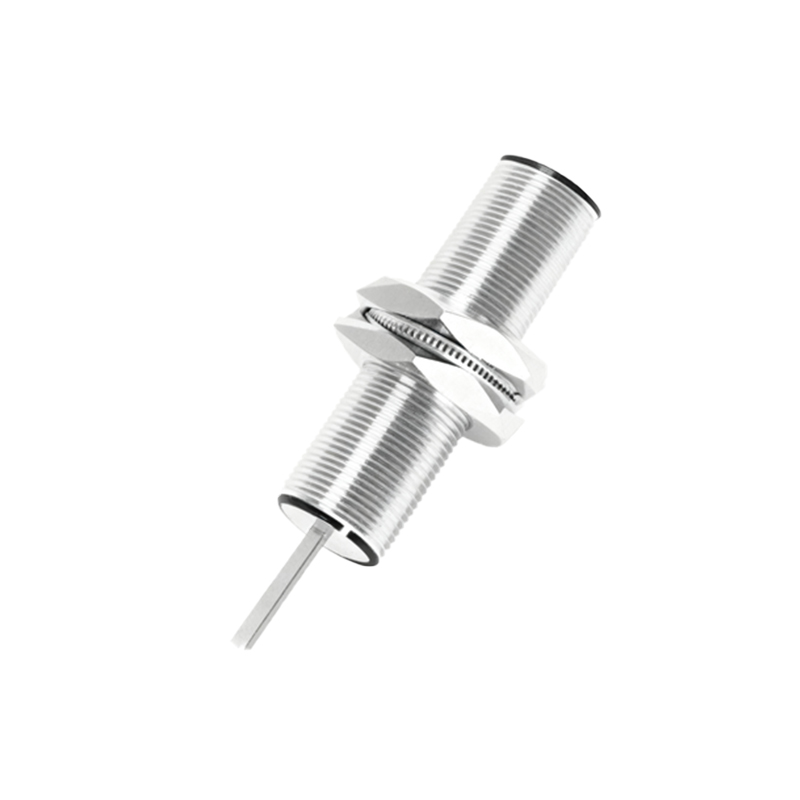
For detecting non-metallic objects, including liquids, plastics, wood, and glass, Capacitive Proximity Sensors are the preferred choice. These sensors function similarly to an open capacitor. The sensor's active surface and the grounded sensor body form two electrodes. The approach of any material with a dielectric constant different from air alters the capacitance of this system. The sensor's oscillator circuit detects this change and switches the output state. Capacitive sensors can detect almost any material and are often used for level detection in tanks (liquids or granules), material handling, and presence detection of non-metallic objects. Their sensitivity is adjustable, which is both an advantage and a potential source of false triggers if not calibrated correctly for the specific application environment.
A third major category is the Ultrasonic Proximity Sensor. These sensors operate on the principle of echolocation. They emit high-frequency sound waves (ultrasound) and evaluate the reflected signal (echo). The time interval between sending the signal and receiving the echo is used to calculate the distance to the target object. Ultrasonic sensors excel at detecting objects regardless of their material, color, or transparency. They are perfect for applications requiring precise distance measurement, bulk level sensing, and detecting clear or complex-shaped objects where optical methods may fail. Their performance can be affected by temperature variations, air turbulence, and soft, sound-absorbing materials.
Magnetic Proximity Sensors, specifically Reed Switch sensors, form another distinct type. They detect the presence of a permanent magnet. The sensor contains a hermetically sealed reed switch—two ferromagnetic reeds in a glass tube filled with inert gas. When a magnet approaches, the reeds magnetize and attract each other, closing the electrical contact. These sensors are extremely simple, cost-effective, and can operate in very low-power or completely passive circuits. They are commonly used for door/window position sensing, cylinder position detection (with a magnet embedded in the piston), and safety interlocks. Their main drawbacks include relatively slow switching speeds and potential contact wear over millions of cycles, though solid-state Hall Effect sensors are now often used for more demanding magnetic sensing tasks.
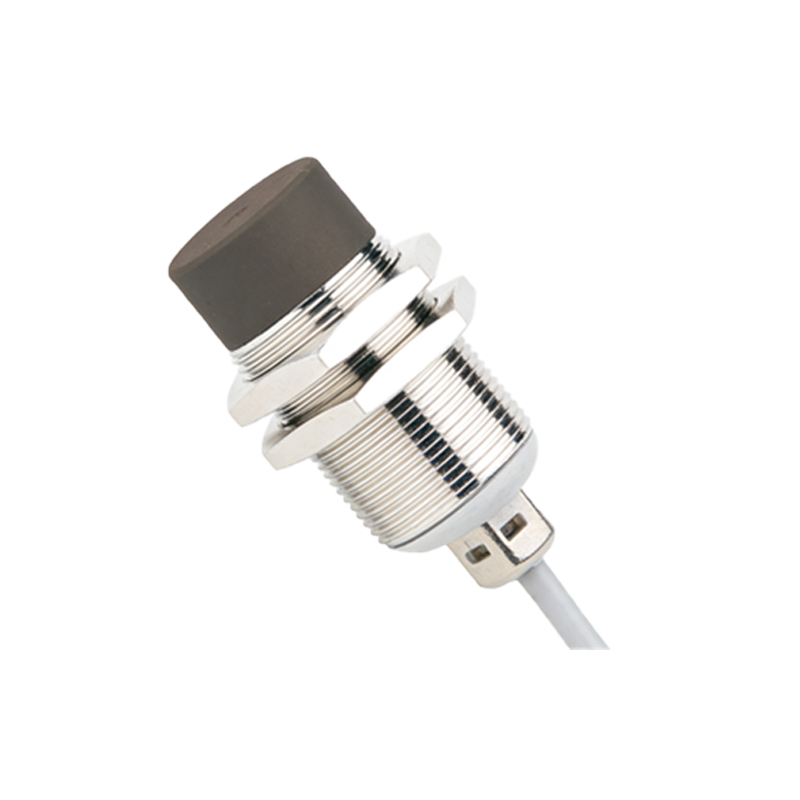
Finally, Photoelectric Sensors, while sometimes categorized separately, are a fundamental proximity sensing technology. They use light beams (visible, infrared, or laser) to detect objects. The main sub-types relevant for proximity detection are Diffuse (Reflective) sensors, where the emitter and receiver are in one housing and detect light reflected from the target, and Through-beam sensors, where the emitter and receiver are separate units detecting beam interruption. Photoelectric sensors offer very long sensing ranges, fast response times, and can detect极小 objects. They are versatile but their performance can be influenced by environmental factors like ambient light, dust, fog, and the color or reflectivity of the target object.
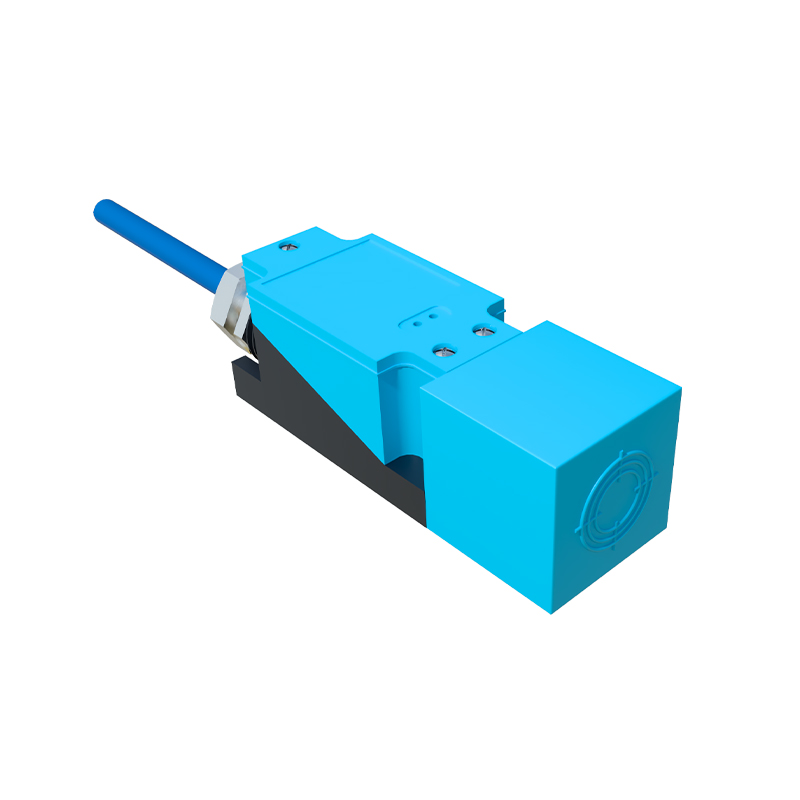
In conclusion, the selection of a proximity sensor type—Inductive, Capacitive, Ultrasonic, Magnetic, or Photoelectric—is dictated by the target material, required sensing distance, environmental conditions, speed, and precision needs. A thorough analysis of these application parameters ensures optimal system performance, reliability, and cost-efficiency in any industrial automation setting.