In the realm of industrial automation, precision, reliability, and durability are non-negotiable. Among the myriad of components that ensure seamless operation, the M3 proximity switch sensor stands out as a fundamental yet critical device. This compact, non-contact sensor is engineered to detect the presence or absence of metallic objects without any physical contact, making it indispensable in countless applications, from assembly lines and packaging machinery to robotic systems and safety interlocks.
The "M3" designation typically refers to the sensor's threaded housing size—a compact 3mm diameter—making it ideal for installations where space is at a premium. Despite its small form factor, the M3 proximity sensor packs a powerful punch. It operates primarily on the principle of electromagnetic induction. The sensor generates an oscillating electromagnetic field from its face. When a metallic target (such as steel, aluminum, or brass) enters this field, eddy currents are induced in the target, causing a change in the oscillation amplitude. The sensor's internal circuitry detects this change and triggers a solid-state output signal, effectively switching its state. This entire process occurs with remarkable speed and repeatability, enabling high-speed counting, positioning, and end-of-travel detection tasks.
There are several key types of M3 proximity sensors, primarily distinguished by their sensing technology and output configuration. The most common is the inductive type, designed specifically for detecting ferrous and non-ferrous metals. Within this category, you'll find shielded (flush-mountable) and unshielded (non-flush mountable) variants. Shielded M3 sensors can be installed flush with metal surfaces without affecting their sensing field, offering protection against mechanical damage. Unshielded types provide a slightly longer sensing range but require clearance from surrounding metal. Outputs are typically either NPN (sinking) or PNP (sourcing) transistor configurations, with 2-wire, 3-wire, and sometimes 4-wire (with dual outputs or IO-Link capability) designs available to interface seamlessly with Programmable Logic Controllers (PLCs) and other control systems.
Selecting the right M3 proximity sensor requires careful consideration of several technical parameters. The nominal sensing distance, or Sn, is crucial. For a standard M3 inductive sensor, this typically ranges from 0.5mm to 1.5mm. It is vital to ensure the target object is within this specified range for reliable operation. The operating voltage is another critical factor, commonly spanning from 10-30V DC. Engineers must also evaluate the sensor's output current capacity, switching frequency (how many on/off cycles it can handle per second), temperature rating, and ingress protection (IP) rating for resistance to dust and moisture. For harsh environments, models with robust housing materials like stainless steel (e.g., V2A or V4A grades) and high IP ratings (IP67 or IP69K) are preferred.
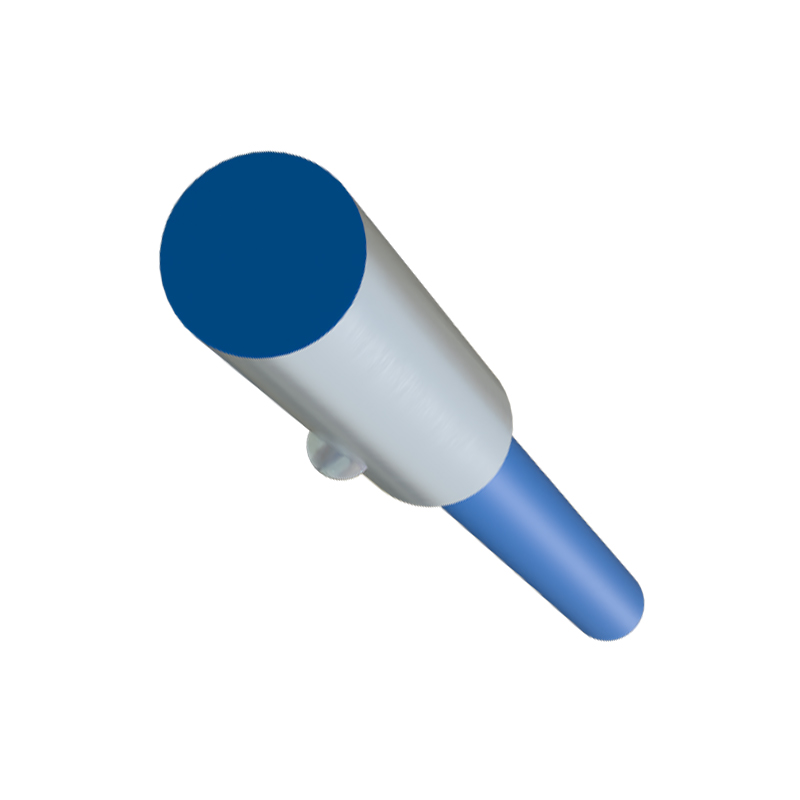
The advantages of implementing M3 proximity sensors are substantial. Their non-contact nature eliminates mechanical wear and tear, granting them an exceptionally long operational life compared to mechanical limit switches. They are immune to contaminants like oil, grease, and dust when properly rated, ensuring stable performance in dirty industrial settings. Their fast response time, often in the microsecond range, allows for control of very high-speed processes. Furthermore, their solid-state design provides exceptional resistance to vibration and shock.
However, practical application demands attention to detail. Proper installation is paramount. Ensure correct alignment between the sensor face and the target. For shielded sensors, maintain the recommended flush-mounting conditions. For unshielded types, adhere to the specified lateral and axial clearance from adjacent metal to prevent false triggering. Electrical wiring must follow the manufacturer's guidelines, paying close attention to polarity for DC models. Incorporating protective circuits, such as surge suppressors for inductive loads, can prevent voltage spikes from damaging the sensor's output transistor. Regular maintenance, though minimal, should include periodic checks for physical damage, buildup of metallic swarf on the sensing face, and verification of the output signal under load.
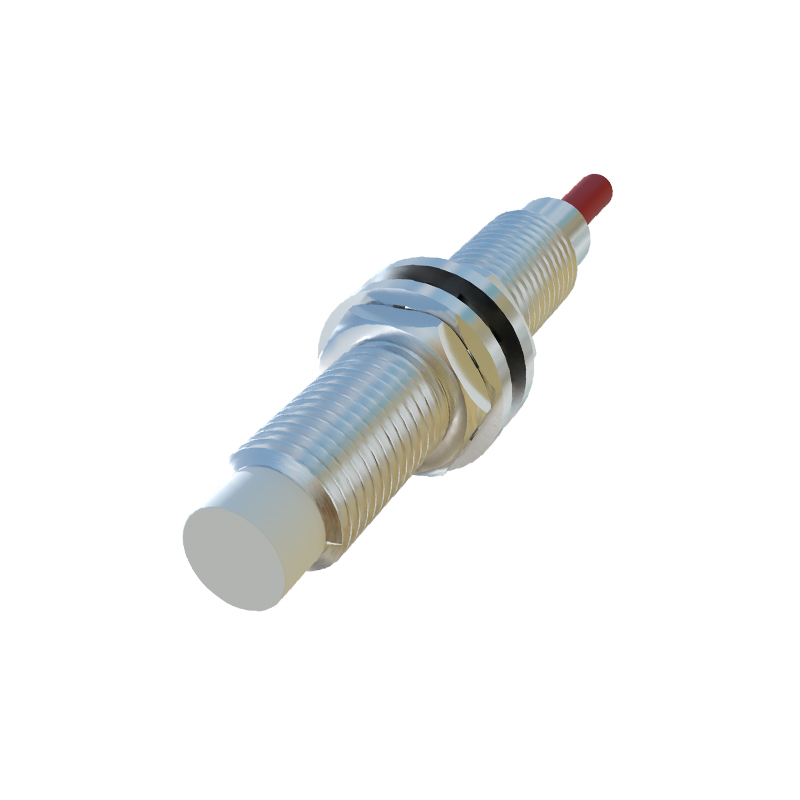
Looking ahead, the evolution of M3 proximity sensors continues. Modern iterations are integrating smart features via IO-Link communication. This digital interface transforms the simple sensor into an intelligent device capable of transmitting detailed diagnostic data (like operating hours, temperature warnings, and signal strength) to the control system, enabling predictive maintenance and reducing unplanned downtime. There is also a growing trend toward miniaturization without sacrificing performance, as well as the development of specialized models for detecting specific non-ferrous metals or alloys.
In conclusion, the M3 proximity switch sensor is a quintessential component in the toolkit of industrial automation. Its robust design, reliable non-contact sensing, and adaptability make it a cornerstone for enhancing efficiency, safety, and precision in automated systems. By understanding its operating principles, key specifications, and