In the realm of industrial automation and control systems, proximity switch sensors stand as critical components for non-contact detection, ensuring precision, reliability, and safety. The Proximity Switch Sensor 15-1K represents a specific model within this category, designed to meet rigorous operational demands. This article delves into its technical specifications, operational principles, application scenarios, and key advantages, providing a detailed guide for engineers and technicians.
Proximity sensors, including the 15-1K model, operate on the principle of electromagnetic induction or capacitive sensing, depending on the type. The 15-1K is typically an inductive proximity sensor, which detects metallic objects without physical contact. It generates an electromagnetic field from its sensing face; when a metal object enters this field, it induces eddy currents, causing a change in the sensor's oscillation amplitude. This change triggers an output signal, such as a switch to ON or OFF state, facilitating control functions in machinery. The "15" in its designation often refers to the sensing distance—15 mm in this case—while "1K" may indicate output characteristics or series variations, such as a 1-meter cable length or specific frequency ratings. Key specifications include a supply voltage range (commonly 10-30V DC), output type (e.g., NPN or PNP transistor outputs), response frequency (up to 1 kHz for high-speed applications), and environmental ratings like IP67 for dust and water resistance.
The Proximity Switch Sensor 15-1K finds extensive use across diverse industries due to its robustness and accuracy. In manufacturing, it is employed for position sensing in conveyor systems, detecting the presence of metal parts in assembly lines, or ensuring proper alignment in robotic arms. In automotive production, it monitors component placement and verifies door or hood closures. Additionally, it serves in packaging machinery to count items, in material handling for level detection, and in safety systems to prevent machine collisions. Its non-contact nature minimizes wear and tear, reducing maintenance costs and downtime. Compared to mechanical switches, the 15-1K offers faster response times, higher durability, and immunity to environmental factors like oil, grease, or vibrations, making it ideal for harsh industrial settings.
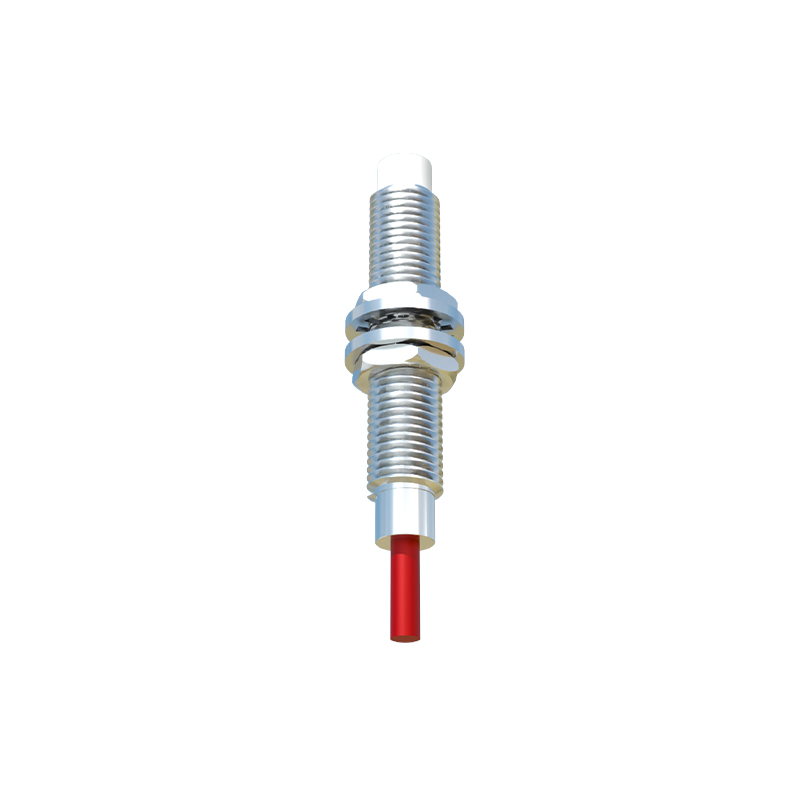
Installation and maintenance of the Proximity Switch Sensor 15-1K require attention to detail for optimal performance. Mounting should ensure the sensing face is unobstructed and aligned with the target object, maintaining the specified 15 mm sensing gap. Avoid placing it near other electromagnetic sources to prevent interference. Wiring must adhere to manufacturer guidelines, with proper shielding for noise reduction. Regular checks involve cleaning the sensor surface from debris, verifying output signals with a multimeter, and testing under operational conditions. Common issues include false triggering due to metal shavings or misalignment, which can be mitigated by periodic inspections. For longevity, operate within the rated temperature range (-25°C to 70°C) and avoid mechanical impacts.
Advancements in sensor technology have enhanced models like the 15-1K with features like IO-Link communication for smart factory integration, enabling real-time diagnostics and data exchange. When selecting a proximity sensor, consider factors such as target material (ferrous vs. non-ferrous metals), required sensing distance, output configuration, and environmental conditions. The 15-1K excels in general-purpose applications, but alternatives may be needed for specialized tasks, such as capacitive sensors for non-metallic objects. In summary, the Proximity Switch Sensor 15-1K is a versatile and reliable tool that boosts efficiency in automated systems. By understanding its capabilities and proper usage, industries can leverage it to improve productivity and safety, staying competitive in today's fast-paced technological landscape.