The global proximity sensor market is experiencing a period of robust growth, fundamentally driven by the accelerating trends of industrial automation, smart manufacturing, and the proliferation of IoT-enabled devices. As a critical component in non-contact detection systems, these sensors provide reliable, wear-free operation essential for modern industrial processes. Their ability to detect the presence or absence of objects without physical contact makes them indispensable in applications ranging from automotive assembly and packaging machinery to consumer electronics and aerospace.
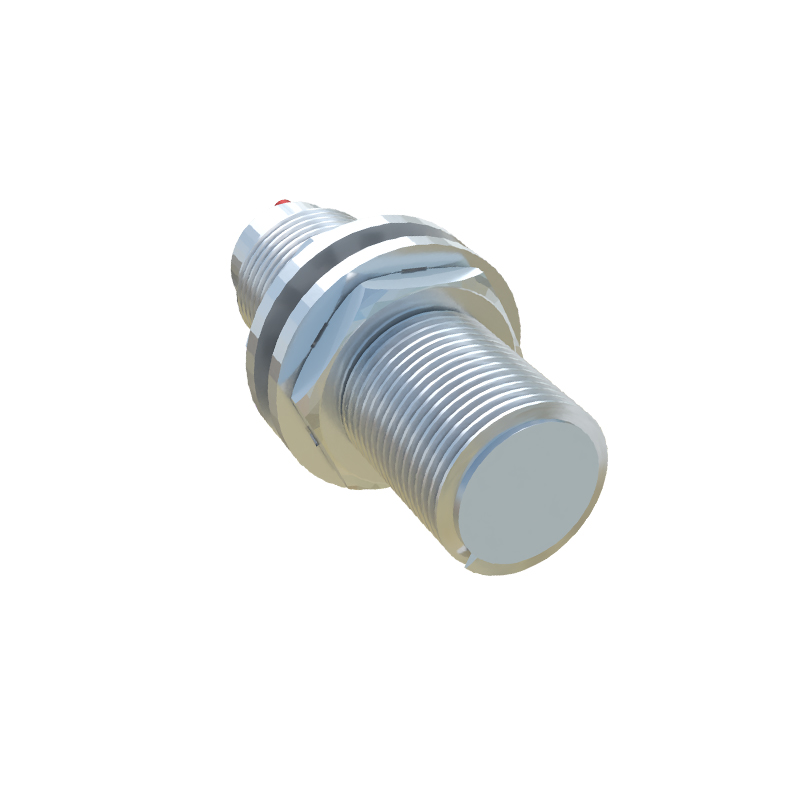
From a technological standpoint, the market is segmented primarily by type: inductive, capacitive, photoelectric, and magnetic proximity sensors. Inductive sensors remain the workhorse for metal detection in harsh factory environments, prized for their durability and resistance to contaminants like oil and dust. Capacitive sensors, capable of detecting both metallic and non-metallic materials, are seeing increased adoption in food & beverage and pharmaceutical industries for level detection and material handling. The photoelectric segment is witnessing significant innovation, particularly with the miniaturization of components and the integration of advanced features like background suppression and precise color recognition. Meanwhile, magnetic sensors continue to be vital for position sensing in hydraulic cylinders and safety-critical applications.
Geographically, the Asia-Pacific region stands as the dominant force, accounting for the largest market share. This hegemony is fueled by the massive manufacturing base in China, Japan, South Korea, and increasingly, Southeast Asian nations. Government initiatives like "Made in China 2025" and "Society 5.0" in Japan are catalyzing investments in automated production lines, directly boosting demand for high-precision sensing solutions. North America and Europe follow closely, with growth anchored in the modernization of existing industrial infrastructure, stringent safety regulations, and strong R&D activities focused on next-generation Industry 4.0 applications. The European market, in particular, demonstrates high demand for sensors with exceptional reliability and communication capabilities compatible with PROFINET and EtherCAT protocols.
Key market drivers are multifaceted. The relentless push for higher productivity and operational efficiency is paramount. Proximity sensors enable faster machine cycles, reduce downtime by preventing collisions, and facilitate predictive maintenance through continuous condition monitoring. The rise of collaborative robots (cobots) has created a new demand vector for compact, sensitive, and safe sensors that can enable seamless human-robot interaction. Furthermore, the expansion of electric vehicle (EV) production lines presents a substantial opportunity, as these assembly processes require an immense number of sensors for battery management, component alignment, and quality control.
However, the market landscape is not without its challenges. Price sensitivity, especially in cost-driven manufacturing sectors, exerts constant pressure on manufacturers. The need for miniaturization while maintaining or enhancing performance parameters like sensing range and environmental resistance presents ongoing engineering hurdles. Additionally, the increasing complexity of applications demands sensors with smarter functionalities—integrated IO-Link communication for parameterization and diagnostics, higher immunity to electromagnetic interference, and the ability to operate in extreme temperatures.
Strategic positioning for manufacturers, therefore, hinges on several critical factors. Innovation is non-negotiable; developing sensors with extended ranges, higher switching frequencies, and robust industrial designs (e.g., stainless steel housings) for challenging environments creates competitive differentiation. A strong focus on application-specific solutions, rather than just component sales, is becoming a key success factor. This involves providing comprehensive technical support, customization services, and seamless integration with PLCs and control systems. Building a resilient and responsive global supply chain is also crucial to mitigate geopolitical and logistical risks, ensuring timely delivery to OEMs and end-users worldwide.
Looking ahead, the convergence of sensing technology with digitalization will define the next phase of growth. The integration of proximity sensors into IIoT (Industrial Internet of Things) ecosystems, where sensor data is leveraged for analytics, optimization, and digital twin models, will unlock new value propositions. Smart sensors with embedded intelligence will communicate not just a simple on/off signal but also health status, temperature data, and predictive failure alerts. Companies that can master this transition from providing discrete hardware to offering data-rich, connected solutions will be best positioned to capture value in the evolving proximity sensor market. The address of this market is unequivocally global, but its future is intelligent, connected, and deeply integrated into the very fabric of automated industry.