In the competitive landscape of industrial automation and electrical systems, photoelectric proximity sensors are indispensable components. Their ability to detect objects without physical contact makes them vital for applications ranging from packaging and material handling to assembly line monitoring and safety systems. A critical factor for procurement specialists, engineers, and business owners is understanding the determinants of the factory price for these sensors. This article delves into the key factors influencing the cost, providing a comprehensive overview for informed purchasing decisions.
The factory price of a photoelectric proximity sensor is not a single, fixed number but a composite value shaped by multiple technical and commercial variables. At its core, the sensing technology type is a primary cost driver. The three main operational modes—through-beam, retro-reflective, and diffuse-reflective—each have distinct price points. Through-beam sensors, consisting of separate emitter and receiver units, often command a higher base price due to the need for two housings and precise alignment, offering superior range and reliability. Retro-reflective models, which use a reflector, typically fall into a mid-range category. Diffuse-reflective sensors, where the emitter and receiver are in a single housing and detect light reflected directly from the target, are generally the most cost-effective for shorter ranges but their price can increase with enhanced features.
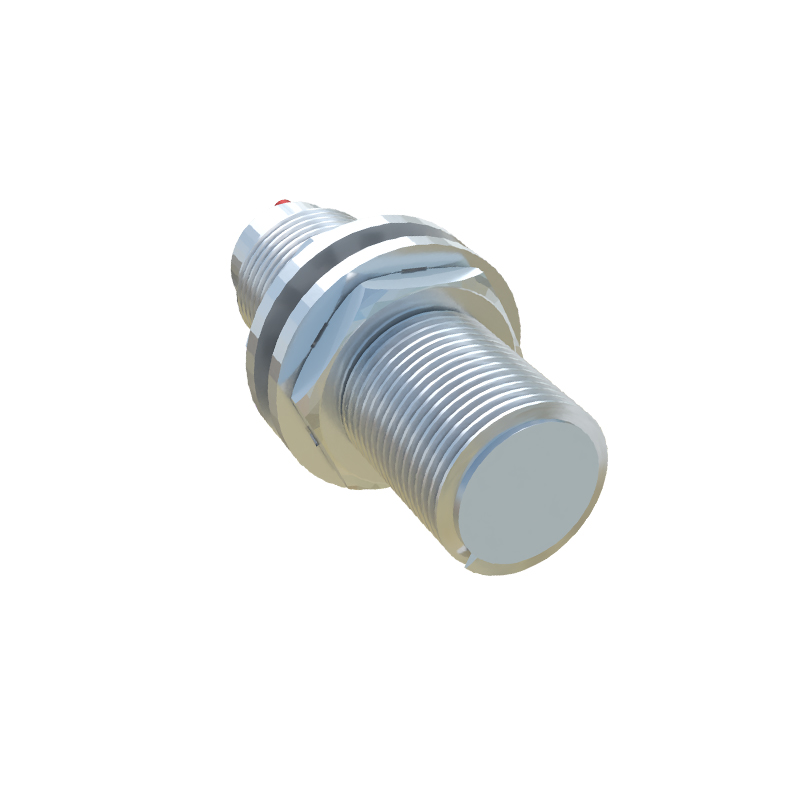
Beyond the basic type, performance specifications significantly impact cost. Sensing range is a major factor; a sensor with a 10-meter range will inherently be more expensive than one with a 1-meter range due to more powerful optics and electronics. Response time and switching frequency are also critical; high-speed sensors designed for rapid production lines require advanced components, elevating the price. The level of environmental protection, indicated by the IP (Ingress Protection) rating or NEMA classification, adds cost. Sensors rated IP67 or IP68 for dust and water resistance involve more robust sealing techniques and materials compared to standard IP65 units.
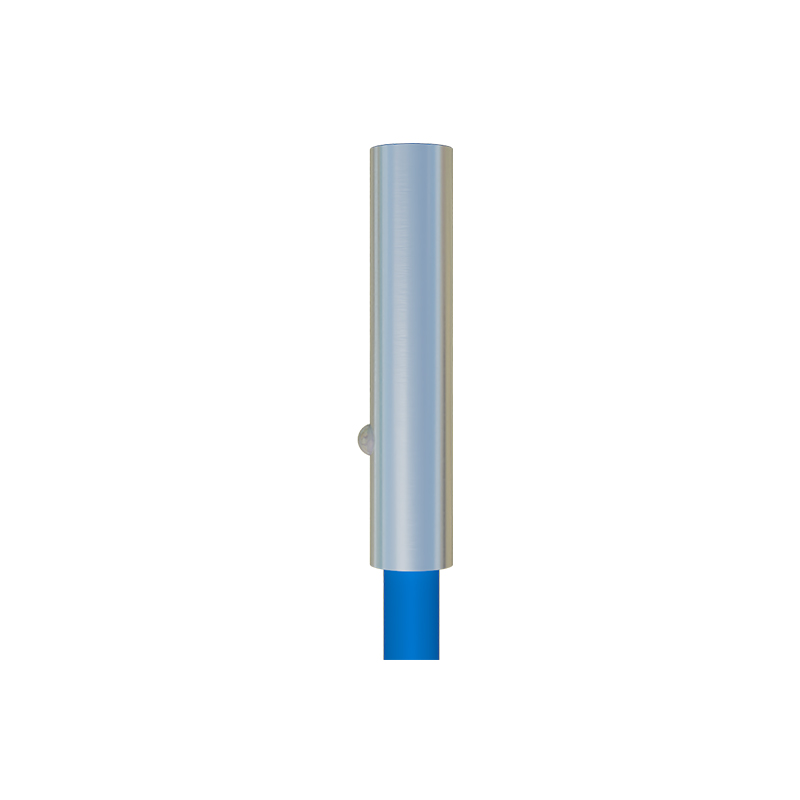
The choice of housing material contributes to both durability and price. Standard sensors often use thermoplastic polyester (PBT) or polycarbonate housings. For harsh environments involving chemicals, extreme temperatures, or heavy physical impact, sensors with stainless steel (e.g., V2A or V4A/316L) or brass housings are necessary, resulting in a substantial price premium. The light source technology is another key element. Traditional red LED sensors are the most economical. Sensors utilizing laser diodes for precise spot detection or high-performance infrared LEDs for better immunity to ambient light are more expensive. Furthermore, the emergence of background suppression and true background suppression technologies in diffuse sensors, which allow for precise detection regardless of the target's color or reflectivity, adds complexity and cost.
Output configuration and electrical connectivity are further price determinants. Basic models with a single PNP or NPN transistor output are standard. Sensors with dual outputs, analog outputs (4-20mA, 0-10V), or IO-Link digital communication capabilities offer greater functionality and integration potential but at a higher price. The inclusion of advanced diagnostics, programmable parameters, or teach-in functions via buttons or remote inputs also increases the unit cost.
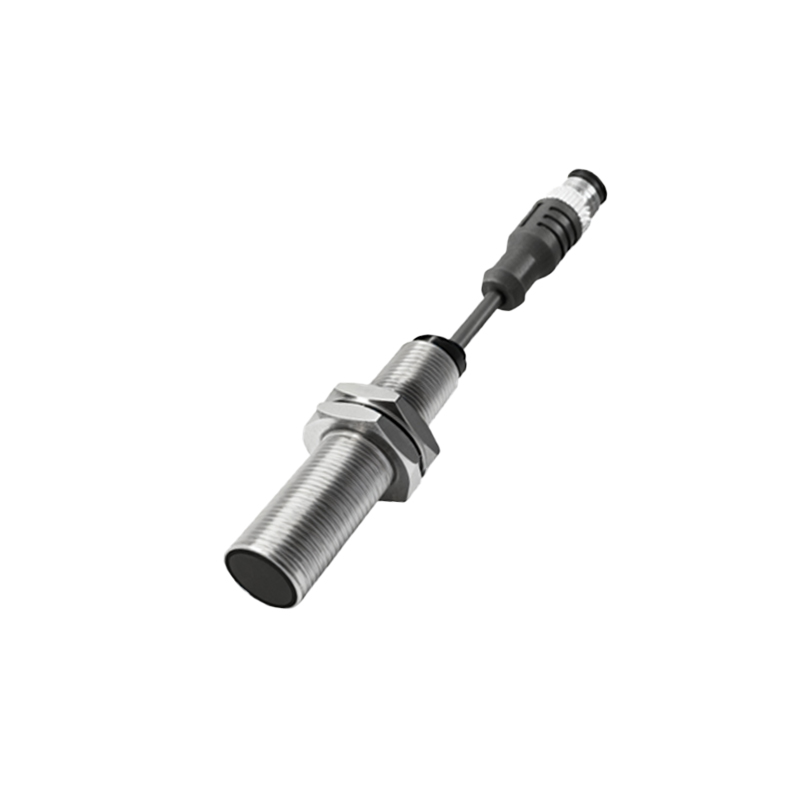
Manufacturing scale, brand reputation, and certification are crucial commercial factors. Established global brands with extensive R&D, quality control, and worldwide support networks often price their sensors higher, reflecting perceived reliability and longevity. Conversely, manufacturers focusing on high-volume, standardized models can offer very competitive factory prices. Certifications like UL, CE, ATEX (for hazardous areas), or FDA (for food and pharmaceutical applications) require rigorous testing and compliance, which is factored into the final price.
In conclusion, the factory price of a photoelectric proximity sensor is a direct reflection of its capabilities, robustness, and sophistication. A basic diffuse sensor with a short range, plastic housing, and simple output will be at the lower end of the price spectrum. In contrast, a long-range, through-beam laser sensor with a stainless-steel housing, high IP rating, analog output, and safety certifications will represent a significant investment. For procurement professionals, the goal is not simply to find the lowest price but to perform a total cost of ownership analysis, balancing initial purchase price against performance, durability, maintenance needs, and potential downtime costs. Specifying the exact application requirements—range, target material, environmental conditions, and required features—is the essential first step to obtaining accurate quotations and ensuring optimal value from your sensor investment.