In the world of industrial automation and electronics, proximity sensors are indispensable components that detect the presence or absence of objects without physical contact. Traditionally, these sensors have been constructed using metal housings, particularly stainless steel or aluminum, to ensure durability, electromagnetic shielding, and resistance to harsh environments. However, with advancements in polymer science and engineering, the question arises: can proximity sensors be made of plastic? This article explores the feasibility, benefits, challenges, and applications of plastic-based proximity sensors, providing insights for engineers and industry professionals.
Plastic materials, such as polyamide (PA), polycarbonate (PC), polybutylene terephthalate (PBT), and polyphenylene sulfide (PPS), offer several advantages over metals. Firstly, plastics are lightweight, which can reduce the overall weight of machinery and systems, leading to energy savings and easier installation. Secondly, plastics are inherently corrosion-resistant, making them suitable for applications in humid, chemical, or saline environments where metals might degrade. Thirdly, plastics can be molded into complex shapes with high precision, allowing for customized designs that integrate seamlessly into modern automated systems. Additionally, plastics are often more cost-effective than metals, both in terms of material costs and manufacturing processes like injection molding, which can lower production expenses.
From a technical perspective, the use of plastic in proximity sensors is not without challenges. One primary concern is electromagnetic interference (EMI) shielding. Metal housings naturally block EMI, protecting the sensor's internal electronics from external noise and ensuring accurate detection. Plastics, being non-conductive, do not provide this shielding inherently. To address this, engineers can incorporate conductive fillers like carbon fibers, metal particles, or coatings into the plastic composite. These modifications can enhance EMI shielding while retaining the benefits of plastic. Another challenge is thermal management. Plastics generally have lower thermal conductivity than metals, which might lead to heat buildup in high-temperature operations. Selecting high-temperature-resistant plastics (e.g., PPS or liquid crystal polymers) and designing for adequate ventilation can mitigate this issue.
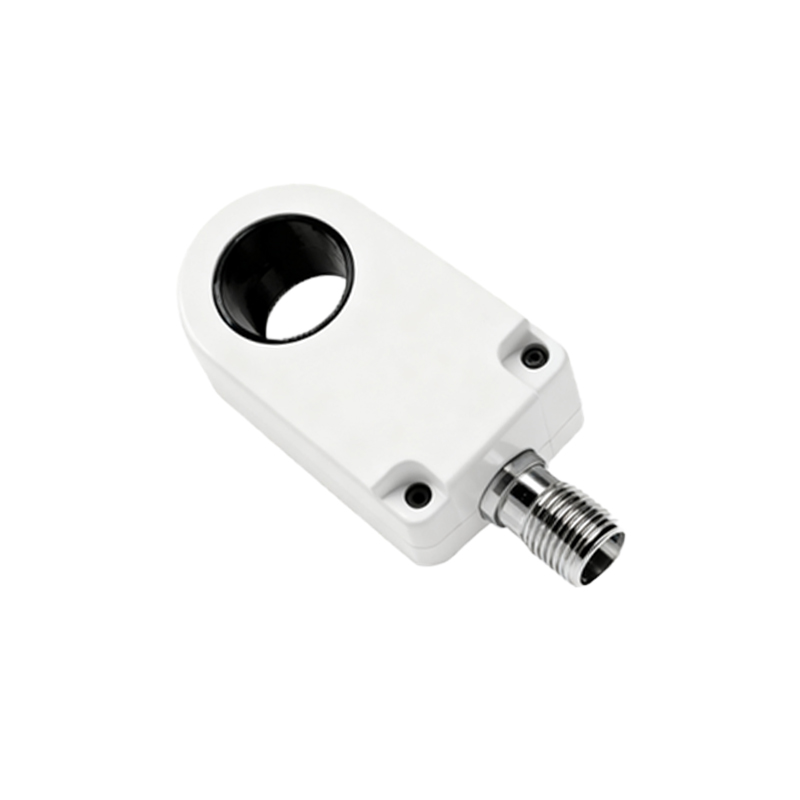
Durability and mechanical strength are also critical factors. While plastics may not match the tensile strength of metals, engineering-grade polymers can offer sufficient robustness for many industrial applications. For instance, PBT and PA are known for their impact resistance and dimensional stability, making them viable for sensors in manufacturing lines or robotics. Furthermore, plastics can be reinforced with glass fibers to enhance strength and stiffness, approaching the performance of metals in some cases. Environmental factors like UV exposure or extreme temperatures must be considered, but additives and specialized polymer blends can improve weatherability and longevity.
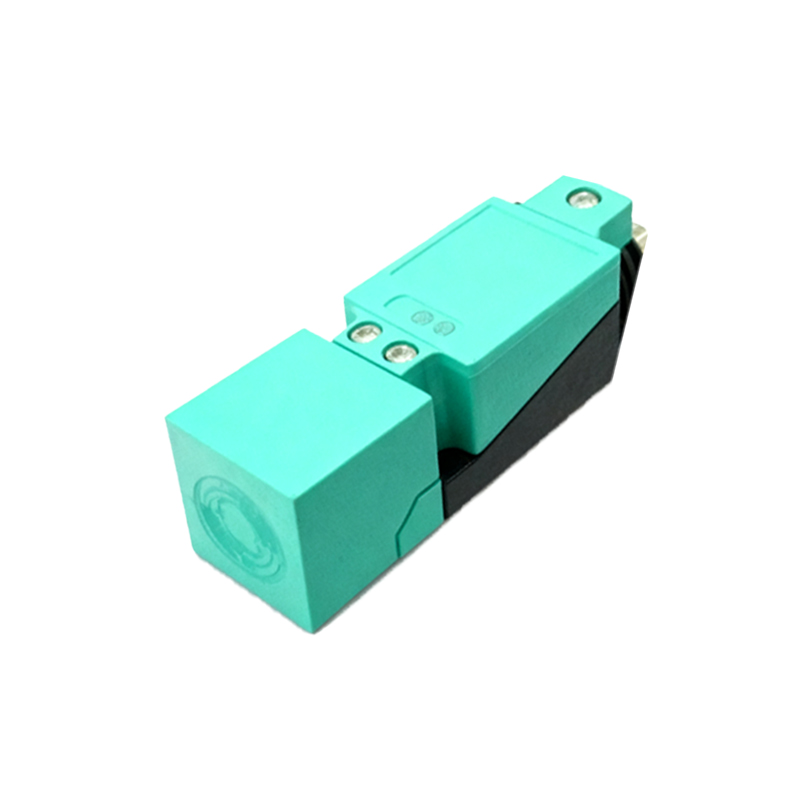
In terms of applications, plastic proximity sensors are gaining traction in specific industries. In food and beverage processing, where hygiene and corrosion resistance are paramount, plastic sensors avoid contamination risks associated with metal corrosion or leaching. Similarly, in pharmaceutical manufacturing, plastic sensors can meet stringent cleanliness standards and resist chemical sterilants. The automotive industry also benefits from lightweight plastic sensors in electric vehicles, where weight reduction contributes to efficiency. Consumer electronics, such as smartphones and home appliances, often use plastic-based sensors for cost savings and design flexibility. However, in heavy-duty environments like mining or steel production, where extreme abrasion or high temperatures are common, metal sensors may still be preferred due to their superior ruggedness.
The development of plastic proximity sensors aligns with broader trends in sustainability and innovation. Plastics can be recycled or derived from bio-based sources, reducing environmental impact compared to metal extraction and processing. Moreover, the integration of smart features, such as IoT connectivity or embedded diagnostics, is easier with plastic housings that allow for compact and modular designs. As material science progresses, we can expect new polymer composites with enhanced conductivity, thermal stability, and strength, further blurring the line between plastic and metal sensors.
In conclusion, proximity sensors can indeed be made of plastic, offering a viable alternative to traditional metal designs in many scenarios. While challenges like EMI shielding and thermal management require careful engineering, the benefits of weight reduction, corrosion resistance, cost efficiency, and design flexibility make plastic sensors an attractive option. Engineers should evaluate specific application requirements, including environmental conditions, performance standards, and regulatory compliance, when choosing between plastic and metal sensors. As technology evolves, plastic-based proximity sensors are poised to play a growing role in diverse industries, driving innovation and efficiency in automation systems.