Magnetic proximity switches, also known as reed switches or magnetic sensors, are fundamental components in modern industrial automation and control systems. These devices operate on a simple yet highly effective principle: they detect the presence or absence of a magnetic field, typically generated by a permanent magnet. When the magnet approaches within a specified range, the switch activates, either opening or closing an electrical circuit. This non-contact sensing method offers significant advantages over mechanical limit switches, including enhanced durability, reliability, and speed of operation.
The core of a standard magnetic proximity switch is the hermetically sealed reed switch capsule. This capsule contains two ferromagnetic reeds (blades) enclosed in a glass tube filled with an inert gas. In the absence of a magnetic field, the reeds remain separated. When an external magnetic field of sufficient strength is applied, the reeds become magnetically attracted to each other, making contact and completing the circuit. This design makes the switch inherently robust, as the contacts are protected from dust, moisture, and oxidation, leading to a long operational life often rated for millions of cycles.
Industrial applications for magnetic proximity switches are vast and varied. They are extensively used for position sensing, such as detecting the open or closed state of doors, hatches, and guards on machinery. In material handling, they monitor the position of cylinders in pneumatic and hydraulic systems. They serve as limit switches in automated production lines, conveyor systems, and elevator controls. Their immunity to non-metallic barriers like plastic, glass, or aluminum allows for unique installation possibilities—for instance, sensing a magnet embedded in a piston through an aluminum cylinder wall. This characteristic makes them ideal for hygienic or sealed environments where sensor penetration is undesirable.
When selecting a magnetic proximity switch for an application, several key parameters must be considered. The sensing distance, or operating point, is critical and depends on the strength of the actuator magnet. Engineers must account for factors like temperature, which can affect both the switch and magnet performance. Switching frequency defines how quickly the sensor can respond to changing magnetic fields. The electrical specifications—such as voltage rating (AC or DC), current carrying capacity, and contact configuration (normally open, normally closed, or changeover)—must align with the control circuit requirements. For harsh environments, specifications like ingress protection (IP) ratings, temperature range, and resistance to shock and vibration are paramount.
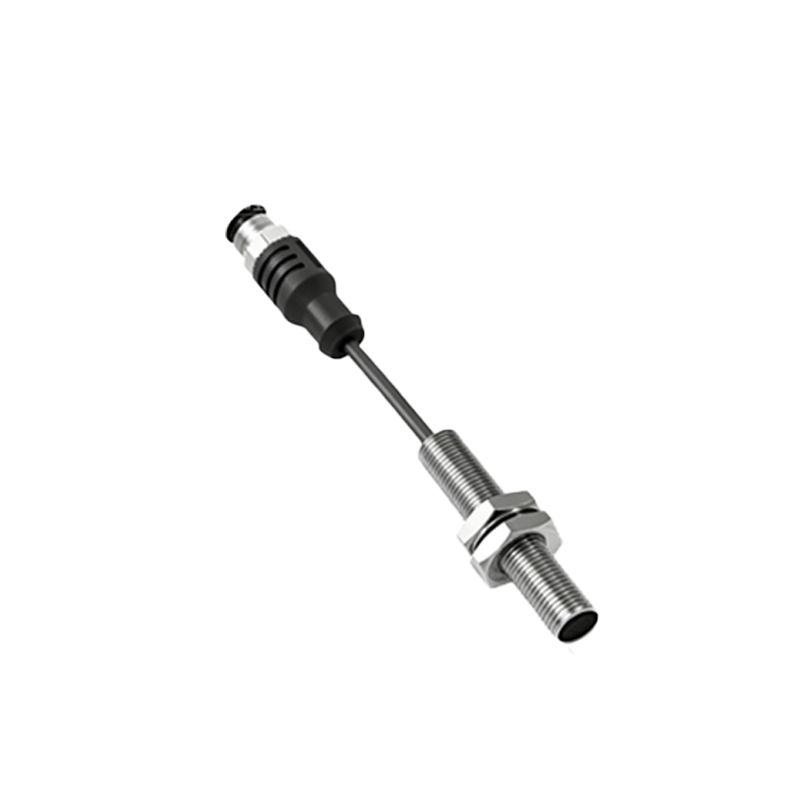
Installation and wiring are generally straightforward. The switch is mounted in a fixed position, and a permanent magnet (the actuator) is attached to the moving part to be detected. Proper alignment is crucial for consistent operation. Wiring typically involves connecting the two leads to the power supply and the load. Many modern variants come in housed units with built-in amplifiers, LED indicators, and various output types like NPN, PNP, or analog signals, integrating seamlessly with programmable logic controllers (PLCs).
Compared to other sensor technologies like inductive, capacitive, or optical proximity sensors, magnetic switches excel in specific niches. They are cost-effective for simple position detection tasks, especially where only a binary (on/off) signal is needed. Their primary limitation is the requirement for a magnet on the target. They are not suitable for detecting all metals, only magnetic ones, unless a magnet is attached. However, for detecting the position of permanent magnets, they are unrivaled in simplicity and reliability.
Maintenance is minimal due to the non-contact nature. However, periodic checks are recommended to ensure the magnet has not weakened or shifted and that no ferrous debris is interfering with the magnetic field. Ensuring a stable power supply within specifications is also vital for longevity.
In conclusion, magnetic proximity switches remain a cornerstone of industrial sensing due to their robustness, simplicity, and versatility. Their ability to provide reliable, contactless switching in demanding conditions ensures their continued relevance in factory automation, safety systems, and countless other engineering applications. As industries advance towards Industry 4.0, these sensors continue to evolve with improved materials, miniaturization, and smarter integrated electronics, solidifying their role in the connected industrial landscape.