Metal proximity sensors are indispensable components in modern industrial automation, serving as the eyes of machinery by detecting the presence or absence of metallic objects without physical contact. These sensors operate on electromagnetic principles, primarily through inductive sensing technology, which generates an oscillating electromagnetic field. When a metallic target enters this field, it induces eddy currents that alter the oscillation, triggering a switch signal. This non-contact detection capability is fundamental to their widespread utility across diverse sectors.
One primary function is position sensing in manufacturing lines. For instance, in automotive assembly, proximity sensors verify the correct placement of engine blocks or chassis components, ensuring precise alignment before welding or riveting. They also monitor the movement of robotic arms, confirming that end-effectors reach designated coordinates. This real-time feedback prevents misalignments that could cause costly production halts or equipment damage.
Another critical role is object counting and speed measurement. In packaging industries, sensors track metallic items on conveyor belts, enabling accurate inventory management and batch control. By calculating the frequency of object passages, they derive rotational speeds of gears or turbines in machinery, facilitating predictive maintenance. For example, detecting slowdowns in a motor shaft can signal impending bearing wear, allowing preemptive repairs.
Safety enhancement represents a vital application. In hazardous environments like metal stamping presses, proximity sensors act as interlock devices, halting operation if a worker’s tool or limb encroaches on danger zones. They are integrated into elevator systems to confirm door closure before movement, preventing accidents. Additionally, in aerospace, sensors monitor landing gear deployment, ensuring safe takeoff and landing sequences.
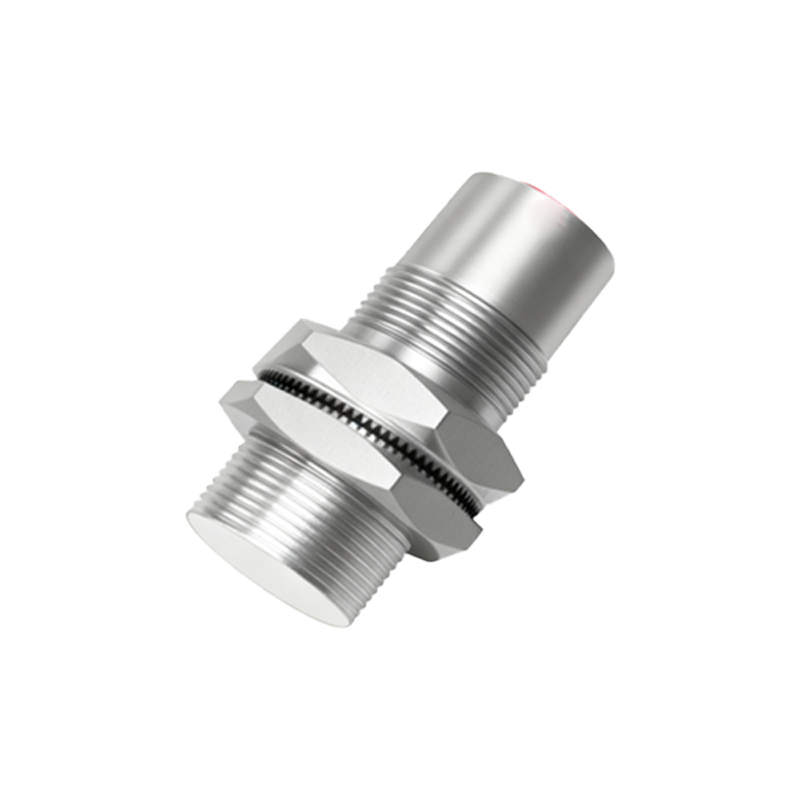
Durability and reliability under extreme conditions further underscore their importance. Industrial-grade metal proximity sensors are housed in robust casings resistant to moisture, dust, and chemical exposure. In mining operations, they withstand vibrations and temperature fluctuations while detecting ore loads on extraction equipment. Their maintenance-free nature reduces downtime, contrasting with mechanical switches prone to wear.
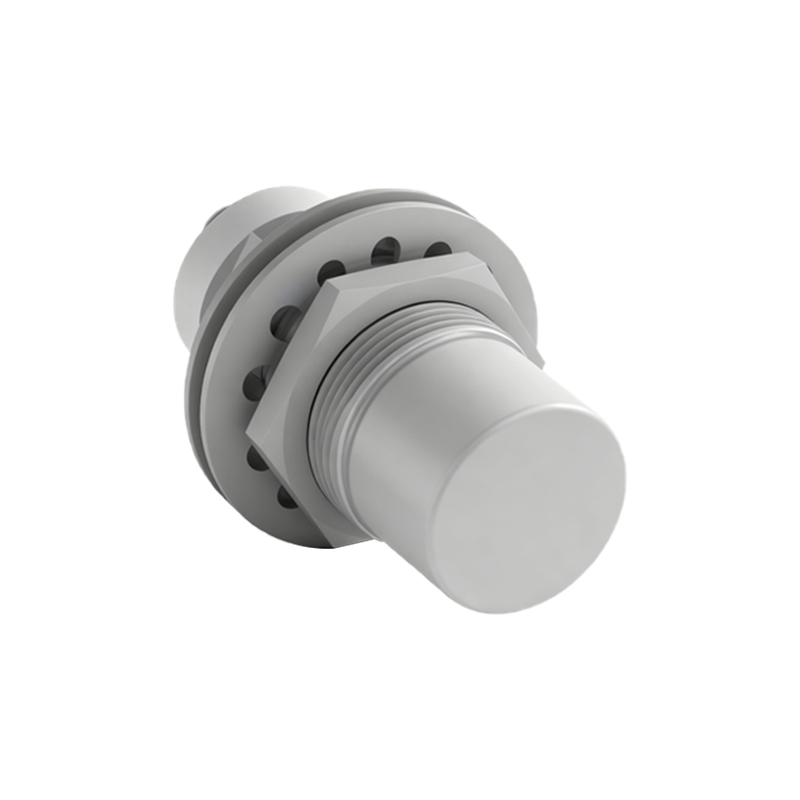
Advancements in technology have expanded their functionalities. Modern sensors offer adjustable sensing ranges and immunity to non-metallic interference, improving accuracy in mixed-material environments. Some models incorporate IO-Link communication for data integration into Industrial Internet of Things (IIoT) networks, enabling remote diagnostics and adaptive control. For instance, in smart factories, sensor data optimizes production flow by synchronizing robotic actions with material availability.
In summary, metal proximity sensors are pivotal for automation efficiency, safety, and precision. From assembly lines to heavy machinery, their non-contact detection ensures seamless operations, reduces human error, and supports the evolution toward interconnected industrial ecosystems. As industries embrace Industry 4.0, these sensors will continue to evolve, embedding intelligence for more autonomous and resilient systems.