In the realm of industrial automation and control systems, proximity sensors stand as fundamental components, enabling a vast array of applications through their non-contact detection capabilities. These devices, often referred to as "proximity switches" or "prox sensors," are designed to detect the presence or absence of an object within a specific range without any physical contact. Their utility spans across countless sectors, from automotive manufacturing and packaging to material handling and robotics, making them indispensable for enhancing efficiency, safety, and precision.
At their core, proximity sensors operate on various principles, primarily inductive, capacitive, ultrasonic, and photoelectric. Inductive proximity sensors are the most common in industrial settings, specifically used for detecting metallic objects. They generate an electromagnetic field and sense the eddy current losses caused when a metal target enters this field. This makes them perfect for harsh environments where dust, oil, or other contaminants are present, as the sensing face can be embedded and sealed. Common applications include counting metal parts on a conveyor belt, determining the position of a machine tool, or confirming the closure of a metal door or guard.
Capacitive proximity sensors, on the other hand, can detect both metallic and non-metallic materials, including liquids, powders, and plastics. They function by measuring changes in capacitance. When an object enters the sensor's electrostatic field, it alters the capacitance, triggering the output. This versatility is crucial in industries like food and beverage, where they monitor liquid levels in tanks, or in woodworking, where they detect the presence of wooden panels. Their ability to see through certain non-metallic containers adds another layer of application flexibility.
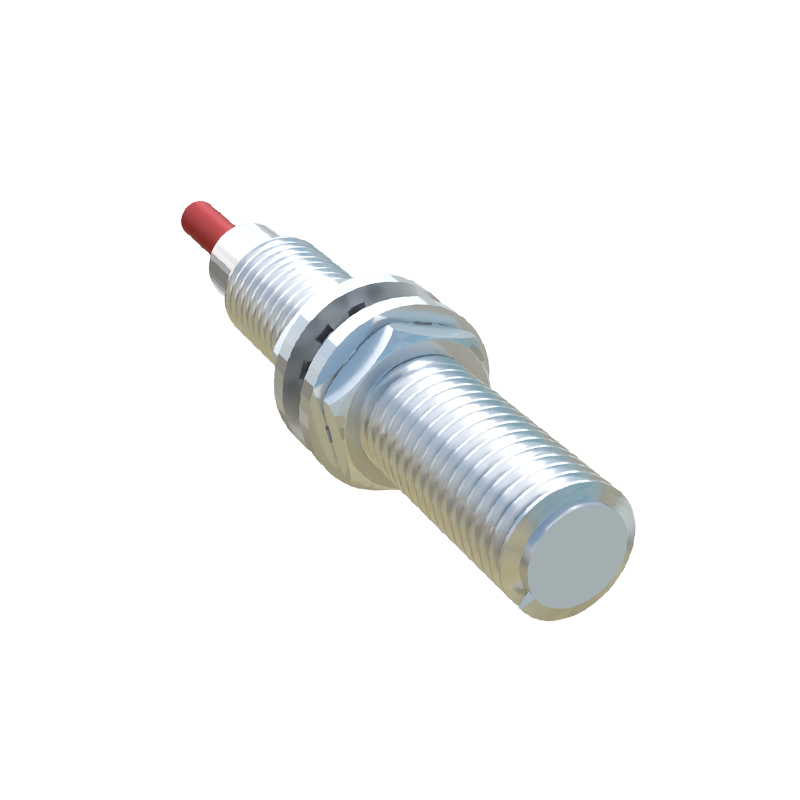
Photoelectric sensors use light beams, typically infrared or laser, to detect objects. While not always classified strictly as "proximity" sensors in the narrowest sense, their variants, like diffuse reflective sensors, operate on a proximity principle. They are excellent for long-range detection and can sense virtually any material, provided it interrupts or reflects the light beam. You'll find them ensuring correct packaging fill levels, detecting transparent bottles on a production line, or providing precise positioning in automated assembly cells.
Ultrasonic sensors emit high-frequency sound waves and evaluate the echo received after bouncing off an object. They are particularly effective for distance measurement and level sensing of bulk materials or liquids, even in challenging conditions with steam, dust, or varying colors that might fool optical systems. In warehouse automation, they help in palletizing and controlling the height of stacked goods.
The benefits of integrating proximity sensors into industrial systems are profound. First and foremost, they promote operational reliability. By eliminating mechanical contact, they suffer no wear and tear from the sensed object, leading to dramatically longer service life and reduced maintenance compared to mechanical limit switches. This non-contact nature also allows for high-speed operation, detecting objects at rates far beyond the capability of physical switches, which is vital in high-throughput manufacturing.
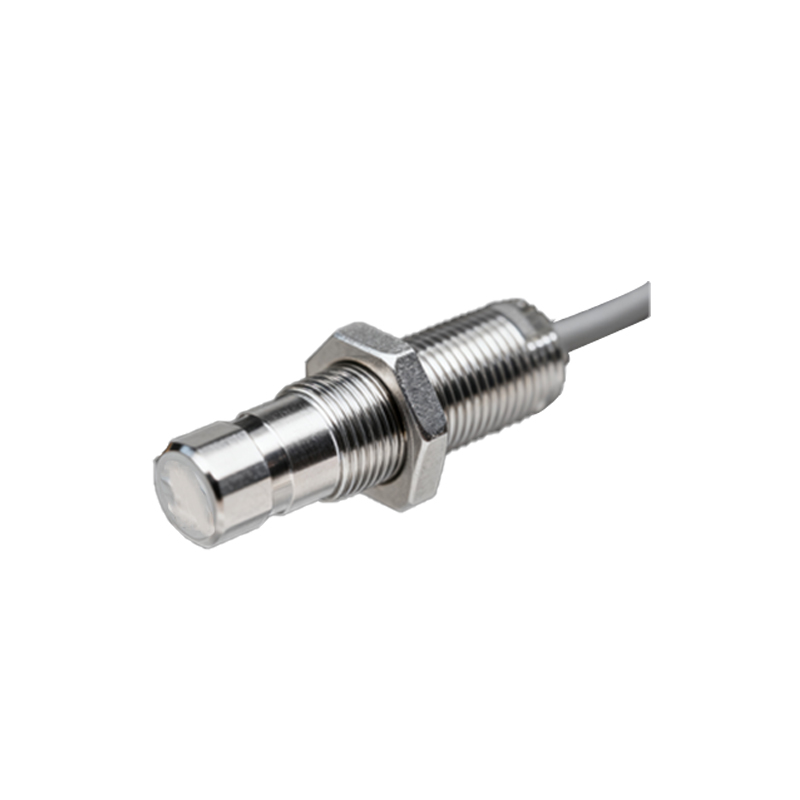
Safety is another critical advantage. Proximity sensors can be used to create safety interlocks on machine guards, ensuring that dangerous machinery only operates when protective doors are securely closed. They enable the implementation of sophisticated safety light curtains and area monitoring systems that protect personnel from moving hazards.
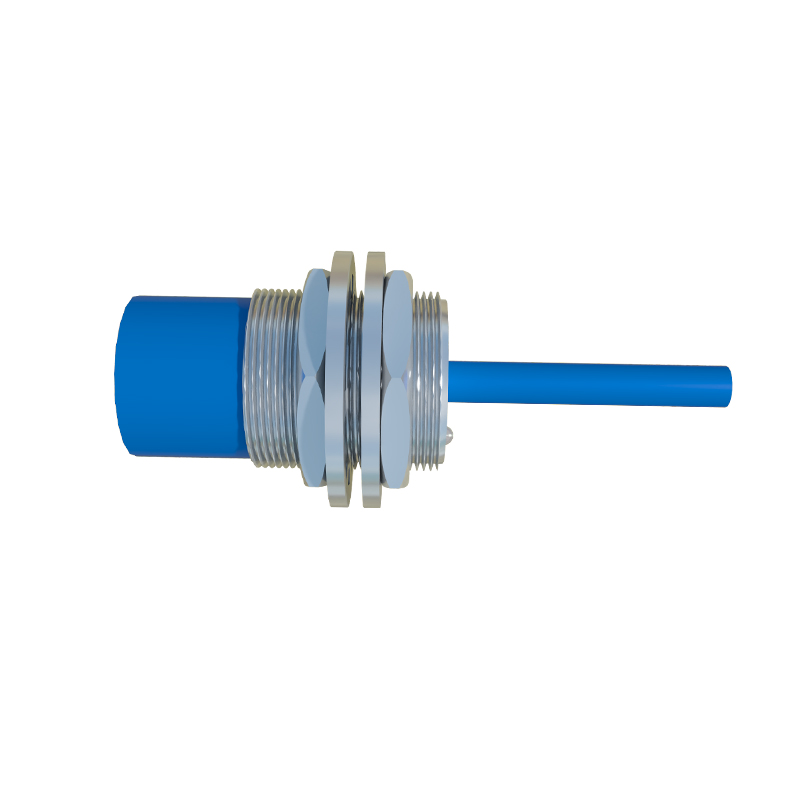
Furthermore, they contribute significantly to precision and quality control. In automated machining centers, inductive sensors provide exact tool positioning feedback. On assembly lines, they verify the presence of components before a critical operation, preventing defective products from proceeding. This real-time feedback is the cornerstone of modern process control and Industry 4.0 initiatives, where sensor data feeds into PLCs (Programmable Logic Controllers) and SCADA (Supervisory Control and Data Acquisition) systems for intelligent decision-making.
The selection of the appropriate proximity sensor depends on several factors: the material of the target object, the required sensing distance, the environmental conditions (temperature, presence of chemicals, washdown requirements), the output type needed (PNP/NPN, analog, IO-Link), and the electrical requirements of the control system. Engineers must carefully consider these parameters to ensure robust and fail-safe operation.
In conclusion, the question of what proximity sensors are used for finds its answer in the very foundation of automated industrial processes. They are the silent, reliable sentinels that provide the essential "eyes" for machinery, enabling detection, positioning, counting, and monitoring with remarkable accuracy and durability. From ensuring a robotic arm picks up a component correctly to guaranteeing a bottle is filled to the proper level, their role is pivotal. As industries continue to evolve towards smarter, more connected, and more efficient operations, the humble proximity sensor will undoubtedly remain a critical enabler of innovation and productivity.