In the evolving landscape of industrial automation, the quest for more reliable, versatile, and cost-effective sensing solutions is perpetual. For decades, inductive, capacitive, and photoelectric proximity sensors have been the stalwarts of object detection in factories worldwide. However, the emergence and refinement of ultrasonic sensor technology present a compelling and often superior alternative, addressing many limitations inherent to traditional proximity sensing methods.
At its core, ultrasonic sensing operates on a simple principle: it emits high-frequency sound waves (typically between 20 kHz and 400 kHz) and measures the time taken for the echo to return after bouncing off a target object. This time-of-flight measurement allows for precise calculation of distance. In contrast, standard proximity sensors detect the presence of an object within a fixed, short range without providing exact distance data. Inductive sensors only detect metals, capacitive sensors detect materials based on dielectric constant, and photoelectric sensors rely on light beam interruption or reflection, all of which can be susceptible to environmental interference.
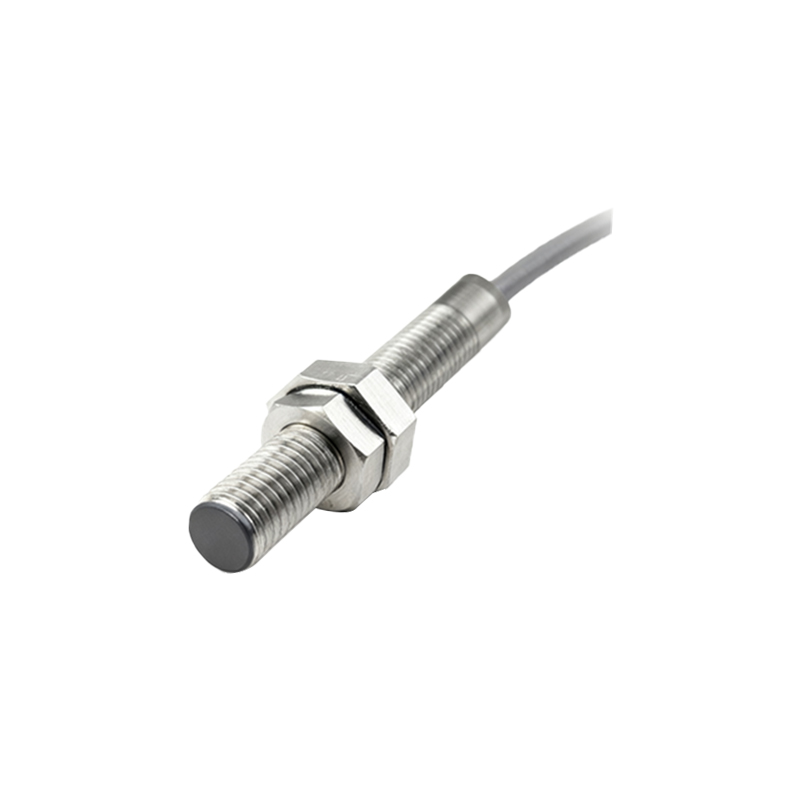
The advantages of ultrasonic sensors over traditional proximity sensors are multifaceted. First and foremost is their remarkable material independence. An ultrasonic sensor can detect virtually any solid or liquid object—metal, plastic, wood, glass, or even granular materials—with consistent reliability. This eliminates the need for stocking multiple sensor types for different materials on a production line, simplifying inventory and maintenance. Secondly, ultrasonic sensors provide true distance measurement, not just a binary on/off switch. This analog output capability enables advanced applications like continuous level monitoring in tanks, precise positioning of robotic arms, and loop control for winding machines, functionalities far beyond the reach of a standard proximity switch.
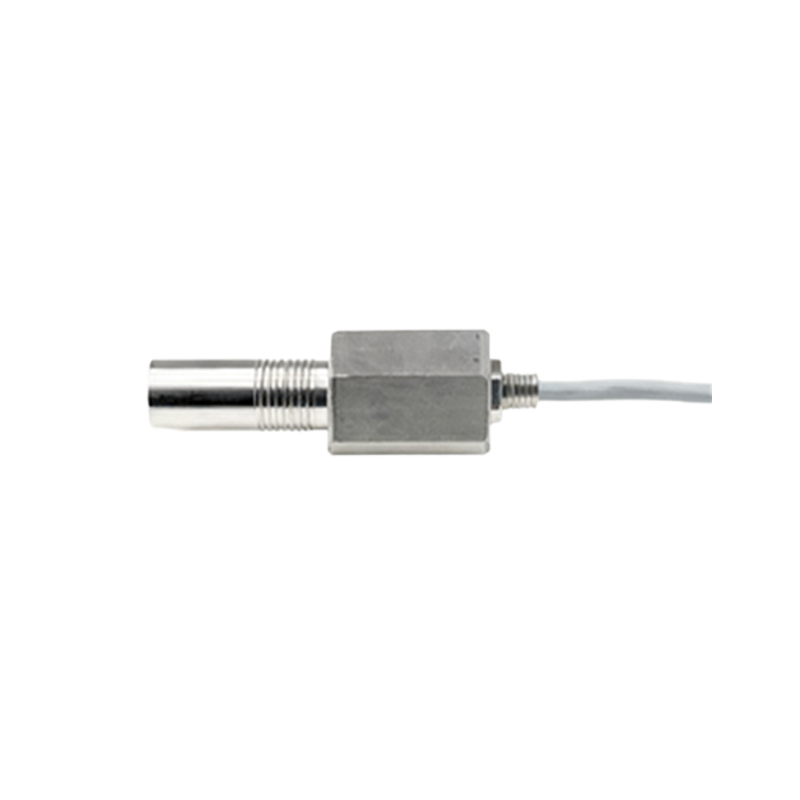
Environmental robustness is another critical area where ultrasonic technology excels. Unlike photoelectric sensors, which can be blinded by ambient light, dust, fog, or steam, ultrasonic sound waves penetrate these challenging conditions effectively. They are also largely unaffected by color, transparency, or surface reflectivity, which plague optical systems. While inductive sensors are robust, their limited sensing range and material specificity are significant drawbacks in complex applications.
Consider a bottling plant. A traditional capacitive sensor might struggle to reliably detect transparent plastic bottles, especially if condensation is present. An ultrasonic sensor, positioned above the conveyor, can not only detect each bottle's presence but also verify its fill level by measuring the distance to the liquid surface within, performing two quality checks in one operation. In automated storage and retrieval systems, ultrasonic sensors guide cranes by precisely measuring the distance to rack faces, preventing collisions and enabling high-speed, accurate positioning without the need for physical guides or complex optical alignment.
Implementation does require consideration of certain factors. The sensing range of ultrasonic sensors is generally longer than that of inductive proximity sensors but can be influenced by extreme temperature variations, which affect the speed of sound. Advanced models incorporate temperature compensation to mitigate this. The target surface angle and excessive texture can sometimes scatter sound waves, but modern sensors with sound cone focusing and advanced signal processing algorithms have minimized these issues. Initial cost per unit may be higher than a basic proximity sensor, but the total cost of ownership often proves lower due to reduced downtime, fewer sensor replacements, and enabled process optimizations.
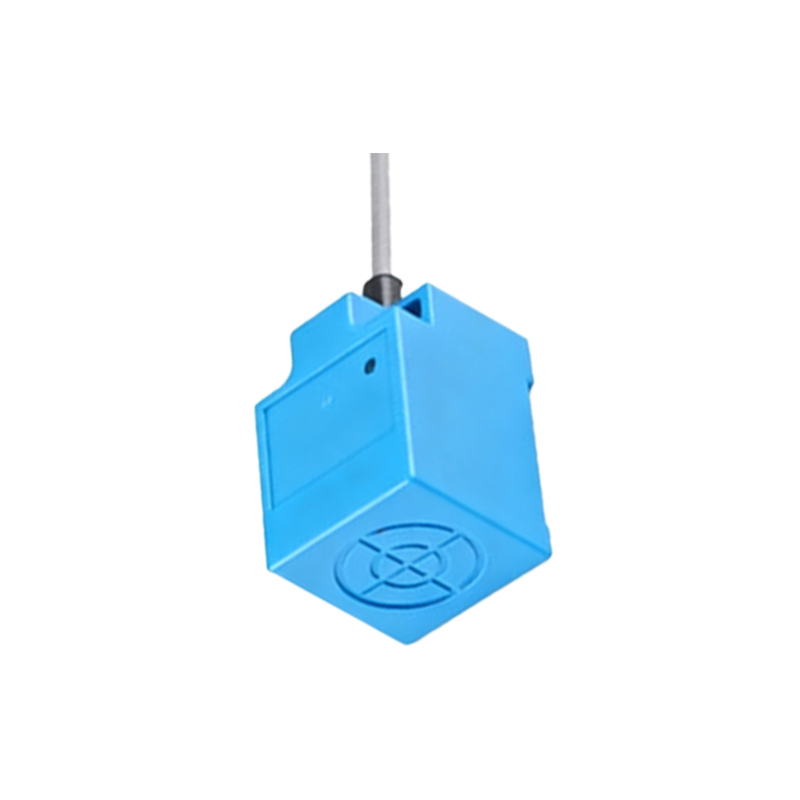
The integration of ultrasonic sensors into the Industrial Internet of Things (IIoT) framework further amplifies their value. With analog and digital outputs, along with IO-Link communication capability, these sensors can transmit rich process data—distance, temperature, signal strength—to controllers and cloud platforms. This facilitates predictive maintenance, real-time process adjustment, and detailed production analytics, transforming a simple detection task into a source of operational intelligence.
In conclusion, while traditional proximity sensors will retain their place in simple, well-defined detection tasks, ultrasonic sensors offer a transformative leap in capability for modern industrial automation. Their material-agnostic detection, precise distance measurement, and resilience in harsh environments solve longstanding application challenges. By adopting ultrasonic technology, engineers and plant managers can achieve greater flexibility, enhanced process control, and improved overall equipment effectiveness, paving the way for smarter, more adaptive manufacturing systems.