In the realm of industrial automation, proximity sensors are indispensable components, enabling non-contact detection of objects with high precision and reliability. These sensors are critical for applications ranging from assembly line positioning and robotic guidance to safety interlocks and material handling. As technology advances, several top-tier proximity sensors have emerged, setting benchmarks for performance, durability, and innovation. This article explores the leading types and models that dominate the market today, highlighting their key features and typical use cases.
Inductive proximity sensors are among the most widely used, particularly for detecting metallic objects. Top manufacturers like Sick, Omron, and Pepperl+Fuchs offer models with exceptional sensing ranges and robust designs. For instance, the Sick IME series provides high switching frequencies and immunity to electromagnetic interference, making it ideal for harsh manufacturing environments. These sensors often feature stainless steel housings and are rated for IP67 or higher, ensuring resistance to dust, moisture, and mechanical stress. Their ability to detect ferrous and non-ferrous metals without physical contact reduces wear and tear, enhancing operational longevity in automotive and machining applications.
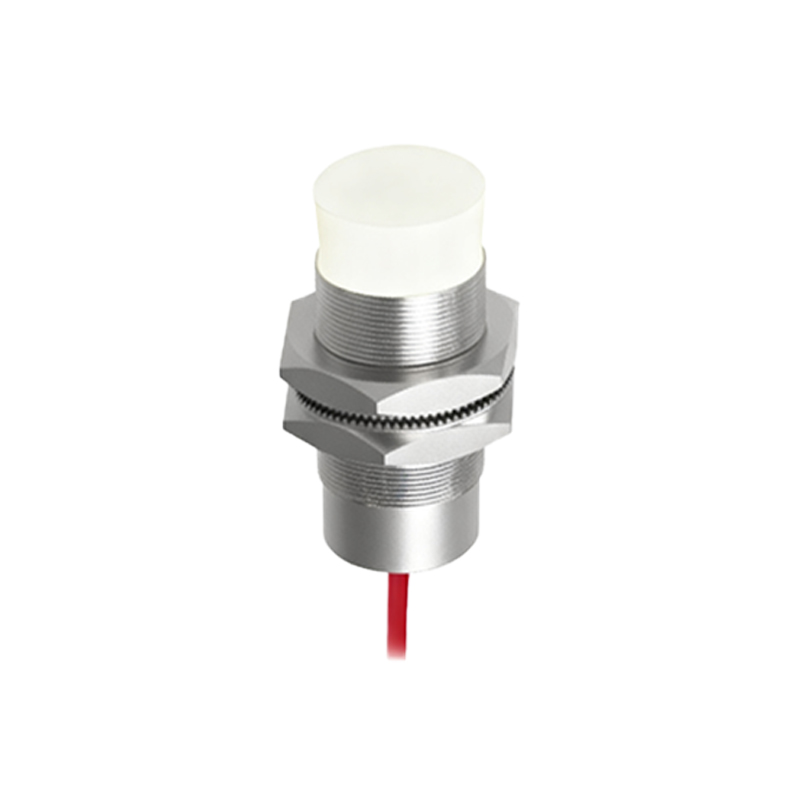
Capacitive proximity sensors extend detection capabilities to non-metallic materials such as plastics, liquids, and granular substances. Leading options from brands like Balluff and Turck incorporate advanced calibration features to adjust sensitivity, minimizing false triggers. The Balluff BCS series, for example, offers compact designs with temperature-stable performance, suitable for food processing or packaging industries where hygiene and consistency are paramount. These sensors can detect through certain barriers, allowing for innovative installation in confined spaces. Their versatility makes them essential in sectors like pharmaceuticals, where they monitor fill levels in containers or detect presence on conveyor belts.
Ultrasonic proximity sensors utilize sound waves to measure distance and detect objects, regardless of material composition. Key players like Banner Engineering and Keyence provide high-accuracy models with programmable logic. The Banner Q45 series features adjustable sensing ranges up to several meters and built-in temperature compensation, ensuring reliable performance in variable conditions. These sensors excel in challenging environments with dust, smoke, or light interference, common in mining or agricultural automation. Applications include palletizing, obstacle detection for autonomous vehicles, and liquid level control in tanks, where their non-contact nature prevents contamination.
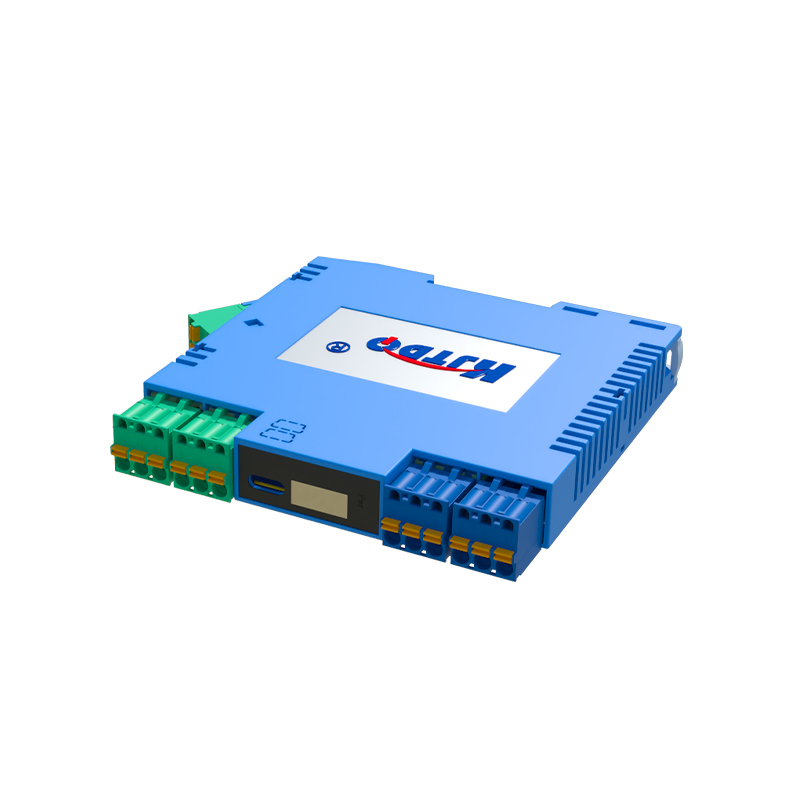
Magnetic proximity sensors, often employing reed switches or Hall effect technology, are prized for their simplicity and reliability in detecting permanent magnets. Top products from Honeywell and Carlo Gavazzi offer low power consumption and long operational life. The Honeywell SR series, with its sealed construction, is frequently used in safety systems, such as door position monitoring in elevators or machinery guards. Their ability to function in extreme temperatures and corrosive atmospheres makes them suitable for outdoor or marine applications. While limited to magnetic targets, their cost-effectiveness and durability ensure widespread adoption in automotive and building automation.
Photoelectric sensors, though sometimes categorized separately, serve as proximity detectors using light beams. Industry leaders like Rockwell Automation and Schneider Electric develop models with laser or LED sources for precise detection. The Rockwell Allen-Bradley 42JR series combines long-range sensing with fast response times, ideal for high-speed sorting or positioning tasks in logistics. Advanced features include background suppression and fiber optic options, allowing customization for complex industrial setups. These sensors are pivotal in electronics manufacturing, where they detect tiny components on circuit boards without physical contact.
Emerging trends are shaping the future of top proximity sensors. Integration with Industrial Internet of Things (IIoT) platforms enables smart sensors with diagnostic capabilities, such as predictive maintenance alerts and data logging. For example, IO-Link compatible sensors from ifm electronic provide real-time parameter adjustments and condition monitoring, reducing downtime in smart factories. Additionally, miniaturization efforts have led to ultra-compact sensors for space-constrained applications, without compromising on range or robustness. Environmental sustainability is also a focus, with manufacturers designing energy-efficient models that lower overall system power consumption.
Selecting the right proximity sensor depends on factors like target material, sensing distance, environmental conditions, and budget. Engineers must consider electrical specifications, such as output type (PNP/NPN) and voltage ratings, alongside mechanical aspects like housing material and connector options. Regular maintenance, including cleaning and calibration checks, ensures optimal performance over time. By leveraging top-tier sensors from reputable brands, industries can achieve higher efficiency, safety, and productivity in automated processes.
In summary, the landscape of top proximity sensors is diverse, driven by continuous innovation to meet evolving industrial demands. From inductive and capacitive types to ultrasonic and magnetic variants, each offers unique advantages tailored to specific applications. As automation expands globally, these sensors will remain at the forefront, enabling smarter and more responsive manufacturing ecosystems.