In the intricate world of modern manufacturing and automation, the reliability of every component is paramount. Among the myriad of fasteners and sensing elements, a specific category stands out for its dual functionality and critical role: the circular proximity sensor screw. These specialized fasteners are far more than simple metal threads; they are engineered components that integrate seamlessly with inductive or capacitive proximity sensors to enable non-contact detection, positioning, and quality control in assembly processes.
The fundamental design of a circular proximity sensor screw is a marvel of practical engineering. Typically constructed from stainless steel or other sensor-friendly metals, the screw is machined to precise tolerances. Its head and shank are designed to interact predictably with the electromagnetic field generated by a ring-shaped proximity sensor encircling it. As the screw is driven to its target depth or position, the sensor detects the precise location of the screw's metallic mass without any physical contact. This non-contact principle eliminates wear and tear, ensuring long-term reliability and consistency that mechanical limit switches cannot match.
The applications for these components are vast and vital. In automotive engine assembly, for instance, they are used to verify the presence and correct seating of critical bolts in cylinder heads or transmission housings. A sensor can confirm that a screw has been driven to the proper torque depth, preventing catastrophic failures down the line. In consumer electronics manufacturing, these screws help ensure the precise alignment of internal frames and components within smartphones and laptops, where millimeter-level accuracy is non-negotiable. The pharmaceutical and packaging industries rely on them for verifying tamper-evident seals and correct cap placement, where contamination from contact sensors is unacceptable.
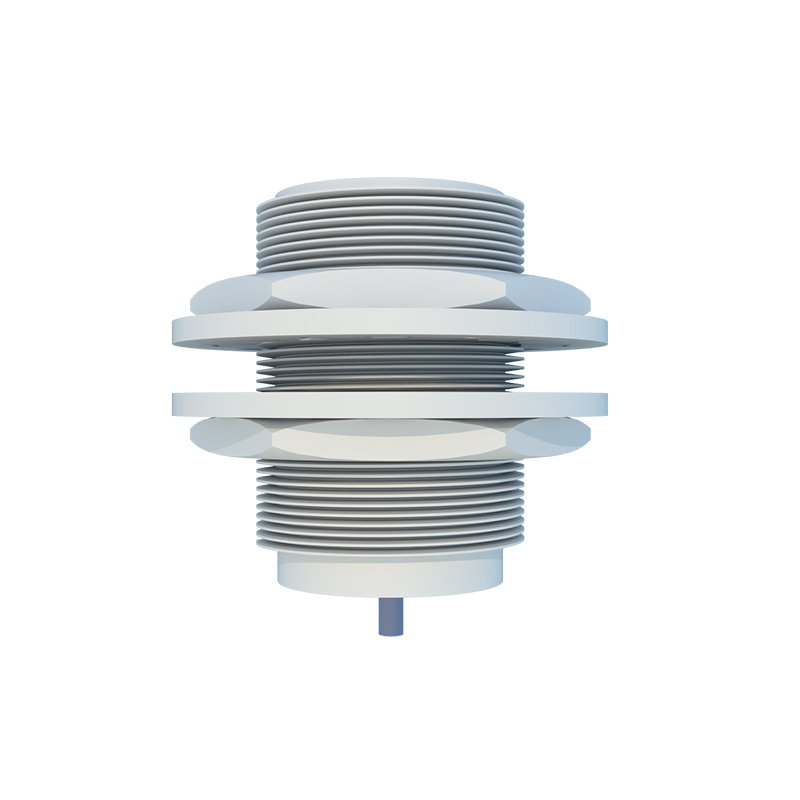
Selecting the right circular proximity sensor screw requires careful consideration of several parameters. The material is primary; it must be compatible with the sensor's technology. Ferromagnetic materials like steel are ideal for inductive sensors, while capacitive sensors can detect a broader range of materials. The screw's geometry—its head diameter, shank length, and thread pitch—directly affects the sensing profile and the strength of the signal returned to the controller. Engineers must also account for the operating environment, including temperature extremes, potential exposure to coolants or cleaning chemicals, and the presence of vibrational forces that could affect the screw's position relative to the sensor.
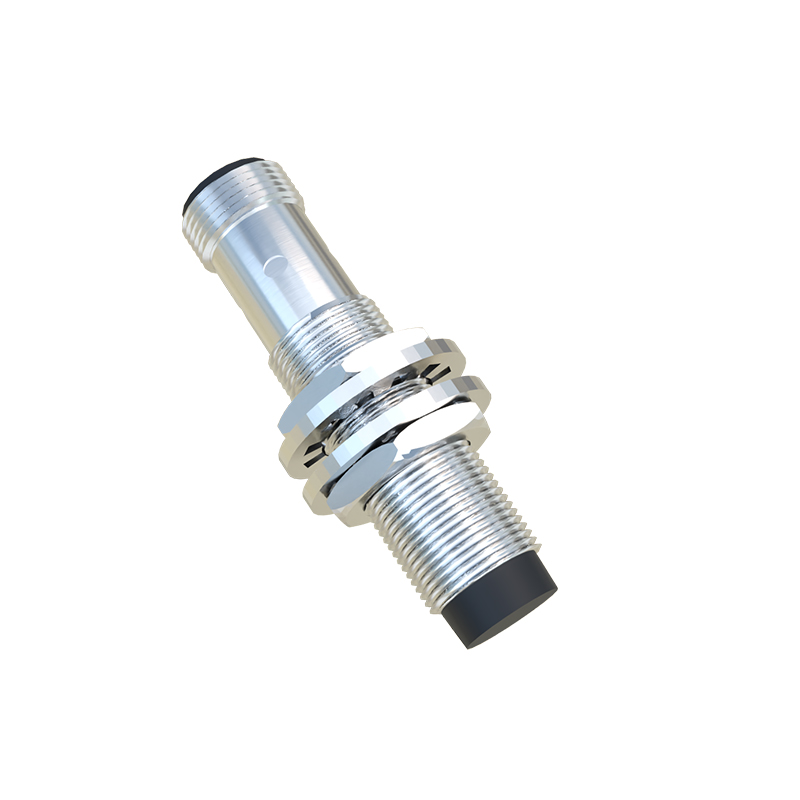
Installation and calibration are the final, crucial steps. The proximity sensor, often housed in a ruggedized casing, must be mounted rigidly with its sensing face at the exact predetermined distance from the screw's travel path. The sensing distance, or "switching point," is then fine-tuned. This ensures the sensor triggers only when the screw is in the exact correct position—neither too shallow nor over-driven. Modern systems integrate these signals directly into Programmable Logic Controller (PLC) routines, allowing for real-time pass/fail decisions. If a screw is missing or out of tolerance, the assembly line can be halted instantly, preventing a single defect from propagating.
The benefits of implementing this technology translate directly to operational excellence. The most significant advantage is enhanced quality assurance. By providing 100% in-line verification, manufacturers eliminate reliance on sporadic manual checks. This leads to a dramatic reduction in escape defects, safeguarding brand reputation and reducing costly recalls. Furthermore, the non-contact nature of the sensing allows for incredibly high-speed inspection, keeping pace with modern production lines without becoming a bottleneck. The durability of the system also reduces maintenance downtime and part replacement costs associated with mechanical switches that physically wear out.
Looking ahead, the evolution of the circular proximity sensor screw is intertwined with Industry 4.0. Future iterations may incorporate smart features, such as embedded RFID tags or unique geometric codes, allowing a single sensor station to identify not just the presence of a screw, but its specific part number or torque history. Integration with networked factory systems will enable predictive analytics, where data from thousands of sensor points can predict tool wear or process drift before it leads to a quality event.
In conclusion, the circular proximity sensor screw exemplifies how intelligent design in a fundamental component can revolutionize an entire process. It is a critical enabler of precision, reliability, and efficiency in automated manufacturing. By bridging the gap between robust mechanical fastening and sensitive electronic detection, these unsung heroes work silently within machinery, providing the certainty that every product is built exactly as designed. Their continued development will remain a key factor in advancing the capabilities of automated assembly across all industries.