In the realm of industrial automation and control systems, magnetic proximity sensors stand as critical components, enabling non-contact detection of ferrous and permanent magnet targets. The production of these robust and reliable devices is a sophisticated endeavor, demanding precision engineering, stringent quality control, and a deep understanding of electromagnetic principles. This article explores the intricate manufacturing processes, key technological considerations, and the hallmarks of a premier magnetic proximity sensor production facility.
The journey begins with core component fabrication. The heart of any magnetic proximity sensor is its sensing element, typically a reed switch or a magnetoresistive (MR) or Hall-effect integrated circuit. For reed switch-based sensors, the production involves meticulous assembly of two ferromagnetic reeds within a hermetically sealed glass capsule filled with an inert gas. This process requires a controlled environment to ensure perfect sealing and longevity. For solid-state sensors utilizing MR or Hall-effect chips, the manufacturing starts at the semiconductor wafer level. These chips are produced in cleanroom facilities, where silicon wafers undergo photolithography, doping, and etching to create the sensitive elements that react to magnetic flux density. Leading manufacturers often design their own ASICs (Application-Specific Integrated Circuits) to optimize performance parameters like switching hysteresis, temperature compensation, and output signal stability.
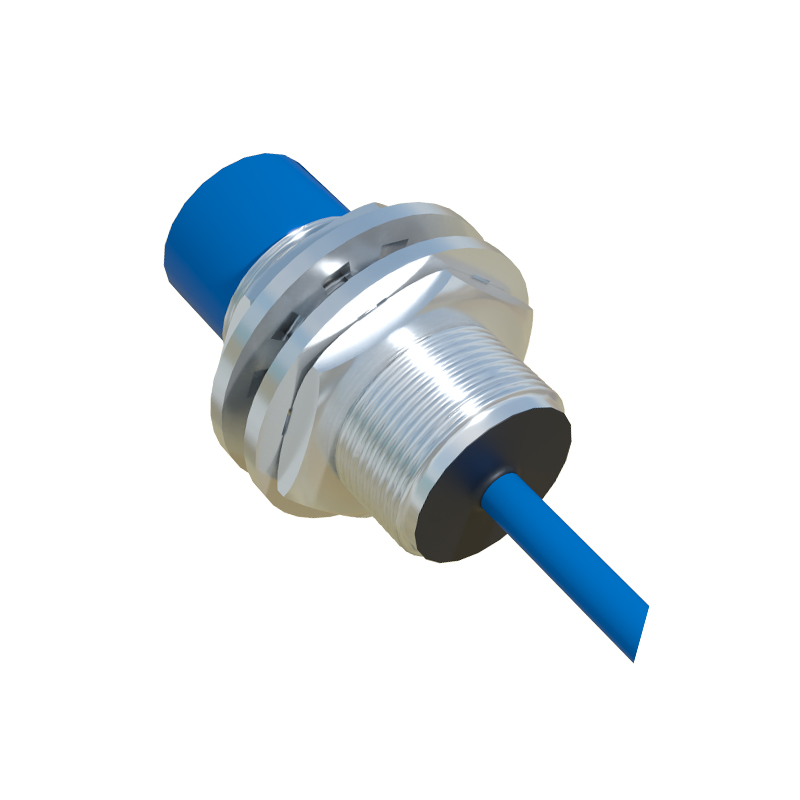
Following the sensor core, the assembly of the complete device is paramount. The sensing element is precisely positioned within a housing, often constructed from materials like nickel-plated brass, stainless steel (e.g., 303 or 316 grades), or engineering plastics such as PBT or PPS. The choice of housing material is crucial, dictated by the required ingress protection (IP rating), resistance to chemicals, and mechanical strength for the target application—be it in machine tools, automotive assembly, or harsh outdoor environments. The assembly line integrates the core with necessary conditioning electronics, which may include voltage regulators, output drivers (PNP/NPN transistor, or analog outputs), and protection circuits against reverse polarity, short-circuits, and electromagnetic interference (EMI).
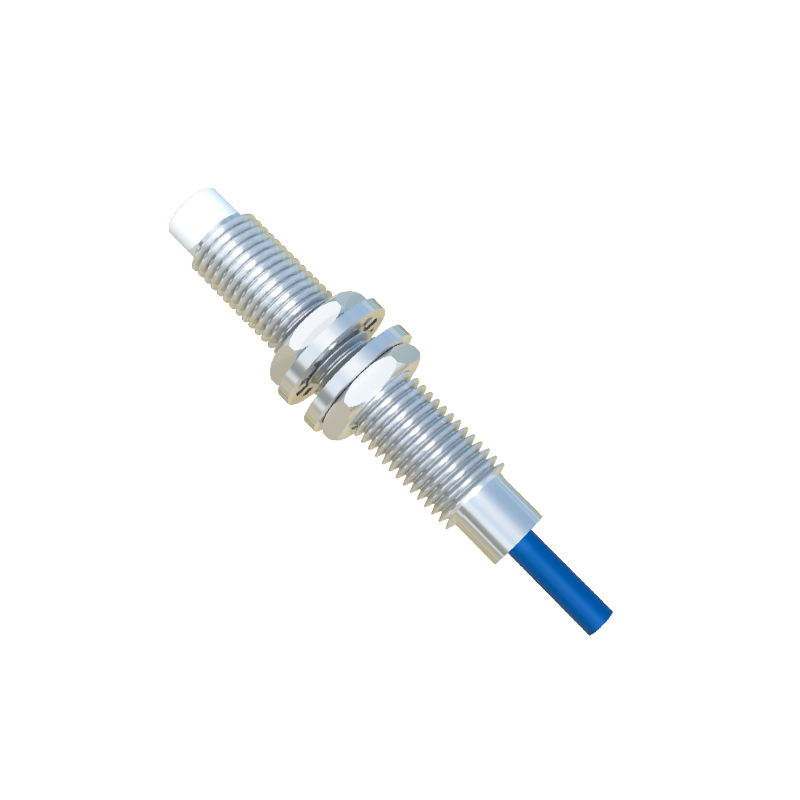
Potting or encapsulation is a critical phase that defines sensor durability. The internal cavity is filled with a thermosetting epoxy resin or polyurethane compound. This process serves multiple purposes: it immobilizes internal components against vibration and shock, provides exceptional environmental sealing far beyond what mechanical seals alone can offer, and enhances heat dissipation. Automated dispensing systems ensure complete void-free filling, which is vital for maintaining consistent performance and preventing internal corrosion. The curing process is carefully controlled for temperature and time to achieve optimal mechanical and dielectric properties.
No manufacturing discussion is complete without addressing quality assurance. A top-tier production facility implements a multi-layered QC regime. Incoming materials are subjected to rigorous inspection. During production, automated optical inspection (AOI) checks component placement and solder joint integrity on PCBs. Post-assembly, every sensor undergoes 100% functional testing. This includes verifying the precise switching point (operating and release points) using calibrated magnetic fields, testing output signal characteristics under various supply voltages, and validating temperature performance across the specified range (commonly -25°C to +70°C or wider). Environmental stress screening, such as thermal cycling and vibration tests, is performed on batch samples to validate design robustness and long-term reliability, often aligning with international standards like IEC 60947-5-2.
The final stages involve laser marking for traceability, packaging, and logistics. Modern factories employ Manufacturing Execution Systems (MES) to track each unit from raw material to shipment, ensuring full traceability. This digital thread is essential for quality management and continuous improvement initiatives.
In conclusion, excellence in magnetic proximity sensor manufacturing is not merely about assembly; it is a symphony of advanced material science, precision microelectronics, automated mechatronics, and uncompromising quality philosophy. Leading manufacturers distinguish themselves through deep vertical integration, proprietary chip design, automated and flexible production lines, and a commitment to certifications like ISO 9001 and ISO/TS 16949 for automotive applications. The result is a product family that delivers unwavering reliability, precision, and longevity in the demanding world of industrial automation, forming the invisible yet indispensable sensory network of modern manufacturing.