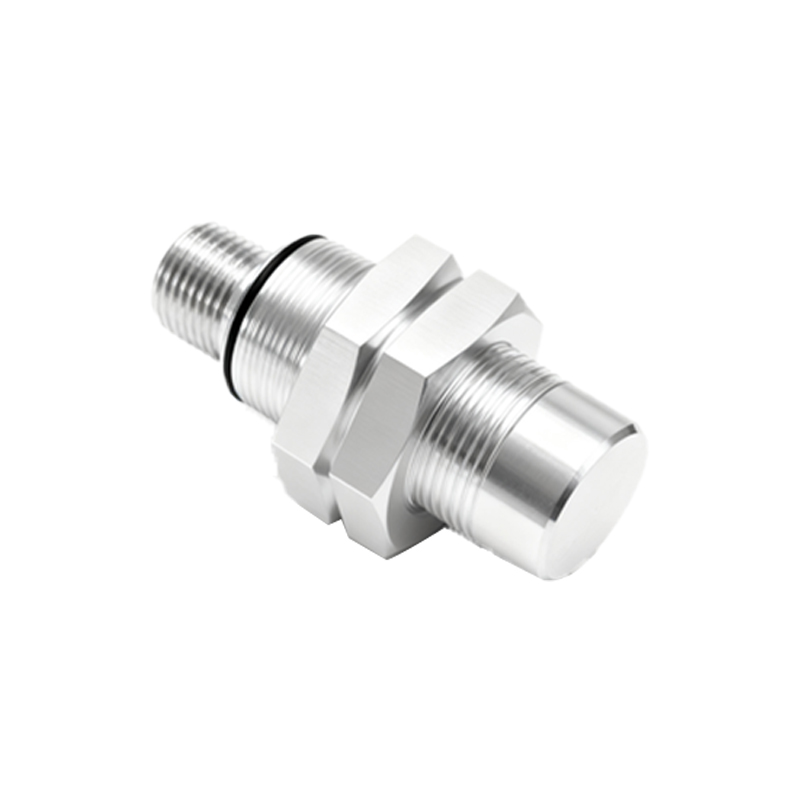
In the rapidly evolving landscape of industrial automation, proximity sensor manufacturers play a pivotal role in enabling precise, reliable, and efficient operations across diverse sectors. These sensors, designed to detect the presence or absence of objects without physical contact, have become indispensable components in modern manufacturing, robotics, and smart systems. The core technologies driving proximity sensors include inductive, capacitive, ultrasonic, and photoelectric principles, each tailored to specific environmental conditions and material types. Inductive sensors, for instance, excel in detecting metallic objects in harsh industrial settings, while capacitive variants are adept at handling non-metallic materials such as plastics, liquids, or granular substances.
The manufacturing process of automation proximity sensors demands rigorous attention to quality, durability, and performance. Leading manufacturers invest heavily in research and development to enhance sensing ranges, response times, and resistance to external factors like temperature fluctuations, electromagnetic interference, and contamination. Advanced production lines incorporate automated testing protocols to ensure each sensor meets stringent international standards, such as IEC 60947-5-2 for industrial applications. Innovations in miniaturization and integration have led to compact sensor designs that can be embedded into complex machinery without compromising functionality. Moreover, the advent of Industry 4.0 has spurred the development of smart sensors with IoT capabilities, enabling real-time data transmission, predictive maintenance, and seamless connectivity with control systems like PLCs and SCADA.
Industry applications of proximity sensors are vast and varied. In automotive assembly lines, they facilitate precise positioning of components and ensure safety by monitoring robotic movements. In packaging and logistics, sensors streamline sorting, counting, and quality inspection processes, reducing downtime and errors. The food and beverage sector relies on hygienic, washdown-rated sensors to maintain cleanliness while detecting containers on conveyor belts. Additionally, in renewable energy systems, such as wind turbines, proximity sensors monitor blade positions and gearbox conditions to optimize performance and prevent failures. As global demand for automation surges, manufacturers are also focusing on sustainability, developing energy-efficient sensors and utilizing eco-friendly materials in production.
Challenges in this field include adapting to diverse operational environments, from high-vibration factories to sterile laboratories, and ensuring compatibility with legacy systems. Future trends point toward increased adoption of AI-driven sensors that can self-calibrate and adapt to changing conditions, as well as the expansion of wireless and battery-less sensor technologies for flexible installations. Collaboration between sensor manufacturers, system integrators, and end-users is crucial to driving innovation and addressing specific industry needs. Ultimately, the continuous advancement in automation proximity sensor manufacturing not only boosts productivity but also paves the way for smarter, more resilient industrial ecosystems worldwide.