In the realm of industrial safety and environmental protection, the detection of methane gas is of paramount importance. Methane, a primary component of natural gas, is not only highly flammable but also a potent greenhouse gas. Effective monitoring is critical to prevent explosions in settings like oil and gas facilities, coal mines, and wastewater treatment plants, and to mitigate environmental emissions. This is where laser methane sensor technology comes into play, offering superior accuracy, reliability, and sensitivity compared to traditional detection methods. Several manufacturers around the globe have established themselves as leaders in producing these advanced sensors, driving innovation and setting industry standards.
Laser methane sensors operate on the principle of Tunable Diode Laser Absorption Spectroscopy (TDLAS). A laser beam is directed through the air toward a reflector or simply across an open path. Methane molecules absorb specific wavelengths of this infrared light. The sensor measures the attenuation of the light beam, precisely calculating the methane concentration based on the degree of absorption. This method is highly selective for methane, minimizing false alarms from other gases. It allows for remote, non-contact sensing over distances from a few meters to several hundred meters, enabling monitoring of large or inaccessible areas without the need for physical sampling.
The advantages of laser-based detection are significant. These sensors provide real-time, continuous monitoring with a fast response time. They require minimal maintenance as they have no consumable parts and are not prone to poisoning or saturation like traditional catalytic bead or electrochemical sensors. Their long operational life and stability make them a cost-effective solution for permanent installations. Furthermore, their ability to perform line-of-sight measurements makes them ideal for perimeter monitoring, leak detection along pipelines, and surveying landfill sites.
When selecting a laser methane sensor manufacturer, key factors to consider include the sensor's detection range, sensitivity (often down to parts-per-million levels), environmental durability (operating temperature range, ingress protection rating), and certification for use in hazardous areas (e.g., ATEX, IECEx). The quality of the accompanying software for data visualization, alarm management, and integration into broader safety or SCADA systems is equally crucial.
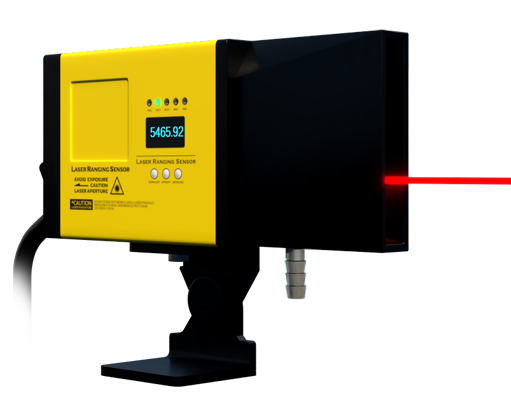
Several prominent manufacturers have distinguished themselves in this field. Companies like Crowcon Detection Instruments (a part of Halma plc) are renowned for their robust and reliable gas detection solutions, including advanced laser-based units for methane. Siemens AG, with its deep industrial automation expertise, offers sophisticated laser methane sensors integrated into comprehensive plant safety systems. MSA Safety Incorporated, a global leader in safety equipment, provides highly durable laser detectors designed for the toughest industrial environments. Specialized firms such as Boreal Laser Inc. focus exclusively on laser-based gas detection, offering high-precision, open-path sensors for environmental and safety applications. In Asia, manufacturers like Suzhou ChangAi Sensing Technology Co., Ltd. have gained recognition for producing cost-effective and reliable laser methane detectors that meet international standards.
The applications for these sensors are vast. In the oil and gas industry, they are deployed for fugitive emission monitoring at wellheads, compressor stations, and along transmission pipelines. In coal mining, they help monitor for methane accumulation in shafts and tunnels, a critical safety measure. Waste management companies use them to quantify methane emissions from landfills for regulatory compliance and carbon credit verification. Utilities employ them for surveying urban distribution networks to pinpoint leaks quickly and efficiently.
The future of laser methane sensor manufacturing is geared towards greater miniaturization, reduced power consumption, and enhanced connectivity. The integration of the Internet of Things (IoT) allows sensors to become nodes in a wireless network, transmitting data to cloud platforms for advanced analytics and predictive maintenance. Artificial intelligence and machine learning algorithms are beginning to be applied to sensor data to differentiate between minor background fluctuations and significant leak events, further improving operational efficiency.
Choosing the right manufacturer is not merely a procurement decision but a critical investment in operational safety, regulatory compliance, and environmental stewardship. Leading manufacturers do not just sell a product; they provide a complete solution encompassing technical support, calibration services, and application expertise. As global regulations on methane emissions tighten and the industry's focus on safety intensifies, the role of these innovative manufacturers and their laser-based technology will only become more central to creating a safer and more sustainable industrial landscape.