In the realm of industrial automation and precision measurement, laser proximity sensors have become indispensable tools. Their performance, however, is not a single, monolithic specification but a complex interplay of various technical factors that directly impact their suitability for specific tasks. Understanding these performance parameters is crucial for engineers and system integrators to select the right sensor and ensure reliable operation.
At the core of a laser proximity sensor's functionality is the principle of triangulation or time-of-flight measurement. A laser diode emits a focused beam of light towards a target. The reflected light is then captured by a receiving element, such as a position-sensitive detector (PSD) or a CMOS array. The displacement of the reflected spot or the time taken for the light to return is calculated to determine the distance to the object. The precision of this entire chain defines the sensor's performance.
Several key specifications dictate this performance. Measurement Range defines the minimum and maximum distances over which the sensor can operate accurately. It is imperative to choose a sensor whose range comfortably encompasses the intended working distance, with some margin for error. Closely tied to range is Repeatability, often the most critical specification for high-precision applications. It refers to the sensor's ability to consistently return the same measurement value for a target placed at the same position under identical conditions. High repeatability, often in the micron or sub-micron range, is essential for quality control and assembly tasks.
Accuracy, sometimes confused with repeatability, is the deviation of the measured value from the true distance. It indicates how "correct" the reading is. A sensor can be highly repeatable (always reading 10.02mm for a 10.00mm distance) but not perfectly accurate. Environmental compensation and high-quality calibration are vital for maintaining accuracy over time and temperature fluctuations. Resolution is the smallest change in distance the sensor can detect. It defines the fineness of the measurement. For example, a sensor monitoring subtle vibrations requires extremely high resolution.
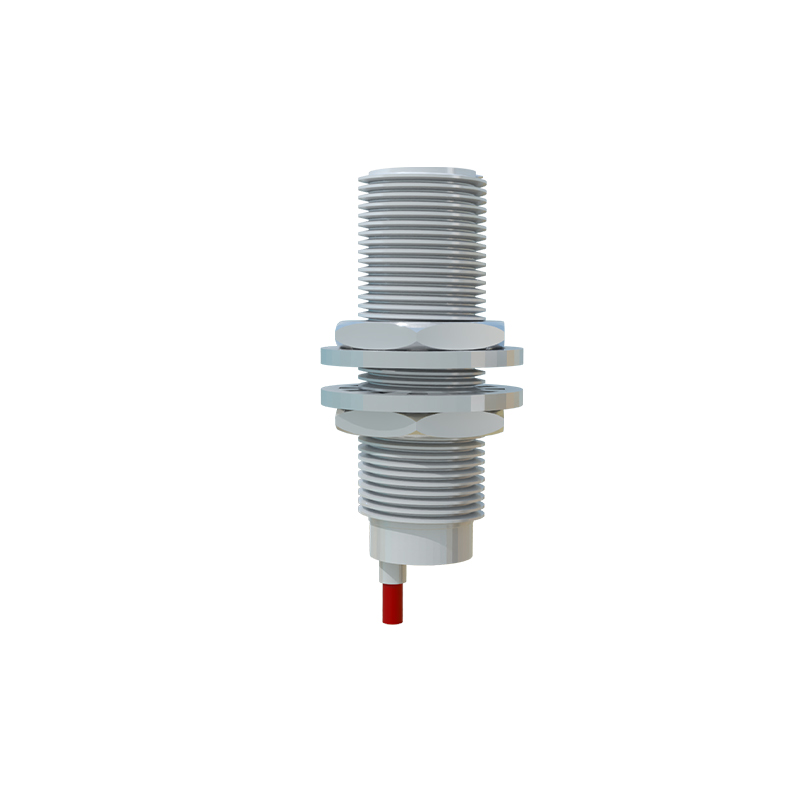
The Response Time or sampling rate determines how quickly the sensor can take and output a measurement. High-speed production lines, such as those inspecting components on a conveyor belt, demand sensors with very fast response times to keep pace. Spot Size of the laser beam is another crucial factor. A smaller spot allows for measuring very small objects or precise edges but can be more susceptible to surface imperfections. A larger spot offers better averaging on rough or textured surfaces but reduces lateral resolution.
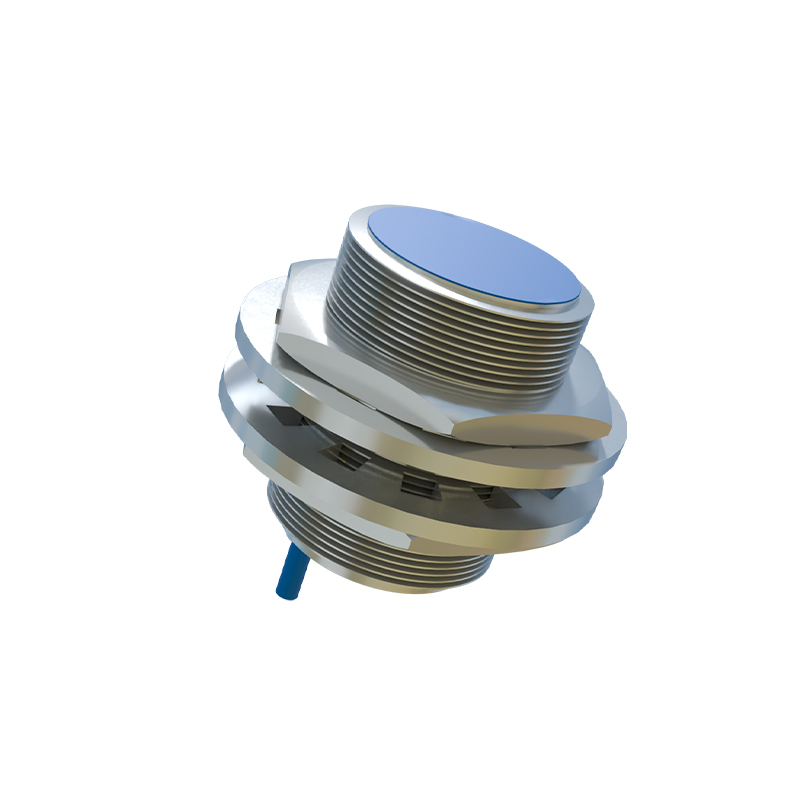
Performance is also heavily influenced by the Target Characteristics. The color, material, and surface finish of the object being measured significantly affect the amount of light reflected. Dark, matte, or transparent materials absorb or scatter the laser beam, potentially reducing the effective range and signal stability. Many modern sensors feature automatic teaching functions or background suppression to compensate for varying target colors. The Operating Environment presents its own challenges. Ambient light, particularly strong sunlight containing infrared, can interfere with the sensor's receiver. Dust, oil mist, or steam can attenuate the laser beam. Industrial-grade sensors are built with robust housings (often IP67 or higher), specialized optical filters, and high-output lasers to overcome these hurdles.
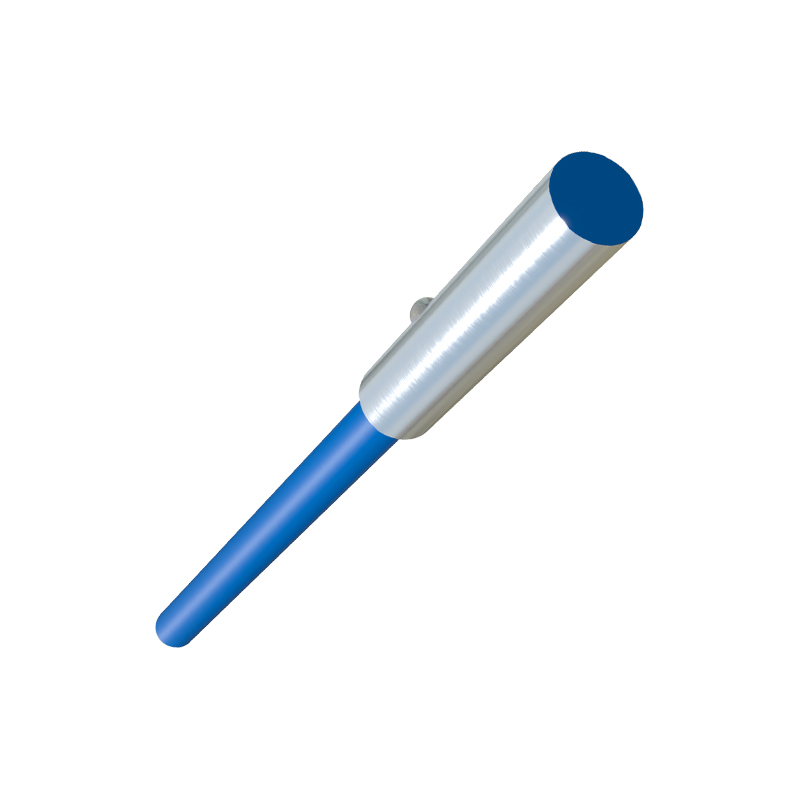
Applications for laser proximity sensors are vast and varied. In robotics, they provide precise guidance for pick-and-place operations and assembly. In automotive manufacturing, they ensure exact gap and flush measurements between body panels. In electronics, they verify component placement on circuit boards. In logistics, they count packages and control sorting systems. In each case, a deep understanding of the performance parameters—selecting a sensor with the right combination of range, speed, repeatability, and environmental robustness—is the key to a successful implementation.
Ultimately, evaluating laser proximity sensor performance requires a holistic view. Data sheet specifications provide a baseline, but real-world testing under actual conditions is often necessary. By carefully matching the sensor's capabilities to the application's demands for precision, speed, and environmental resilience, engineers can unlock the full potential of this powerful technology, driving efficiency and quality in modern automated systems.