In the realm of industrial automation and machine control, proximity sensors are indispensable components for non-contact detection of objects. Among the diverse range available, the 250V 3-wire proximity sensor stands out for its robust design and compatibility with higher voltage control systems. This article delves into the technical specifications, operational principles, wiring configurations, and key application considerations for these critical devices.
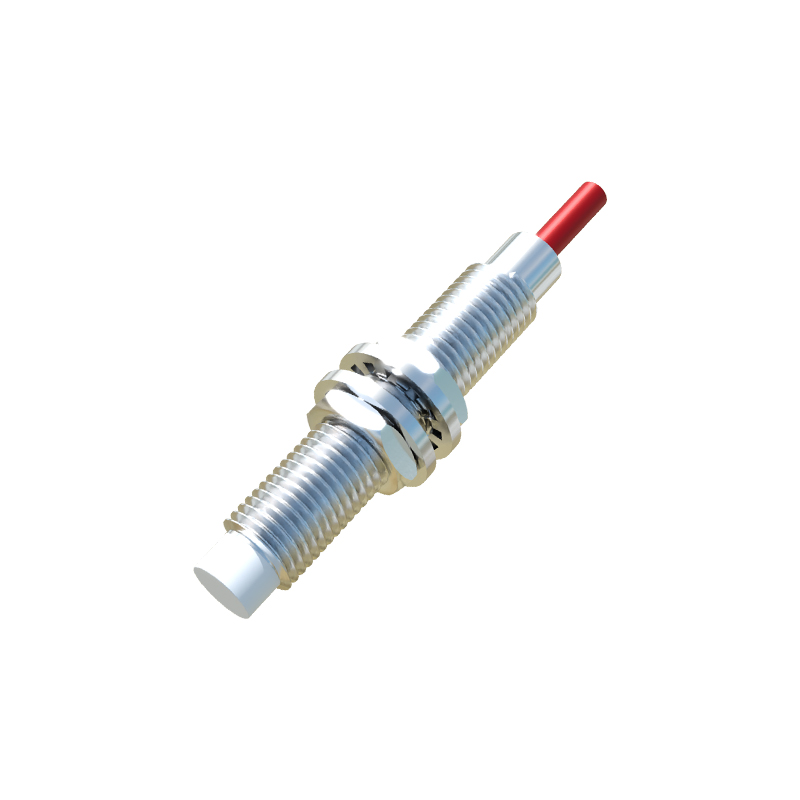
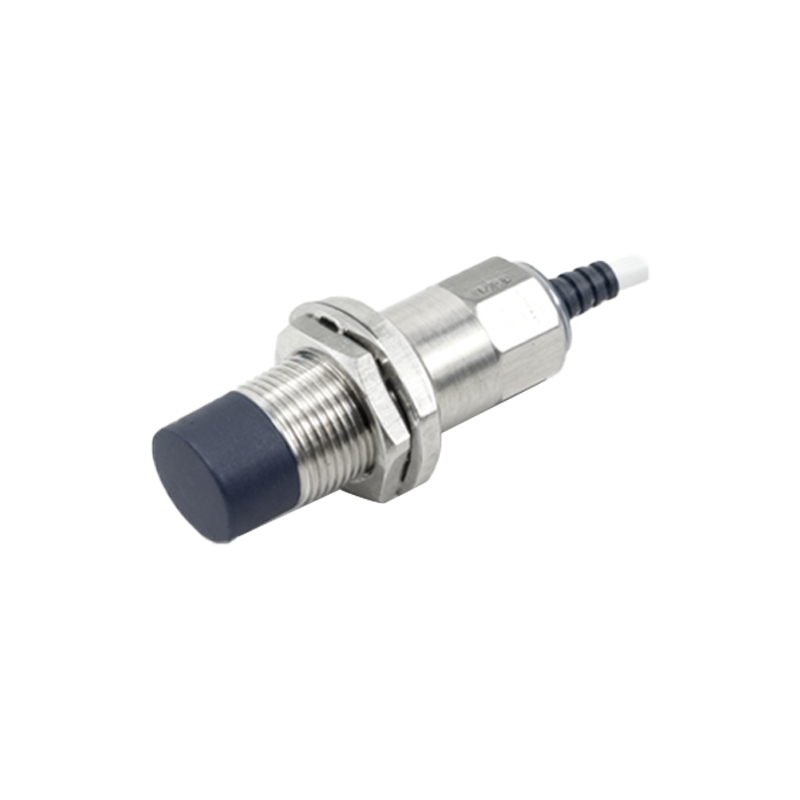
A 250V 3-wire proximity sensor is fundamentally an electronic device designed to detect the presence or absence of a metallic target without physical contact. The "250V" rating typically refers to its maximum supply voltage capability, often aligning with common industrial control voltages like 240VAC. The "3-wire" designation indicates its connection scheme: one wire for power (brown or red), one for the load or output (black or blue), and one for the common ground or neutral (blue or white, depending on the standard and sensor type—NPN or PNP). This configuration is superior to 2-wire types as it provides a separate output line, allowing for lower leakage current and more reliable switching, especially with programmable logic controller (PLC) inputs.
The core technology behind these sensors is usually inductive sensing. The sensor's active face contains an oscillator circuit that generates a high-frequency electromagnetic field. When a metallic object enters this field, eddy currents are induced in the target, causing a change in the oscillation amplitude. This change is detected by a threshold circuit, which subsequently triggers a solid-state switch (like a transistor or triac) to change the state of the output signal. For AC-powered 250V sensors, the output is often a solid-state relay (SSR) capable of switching the high voltage directly.
Wiring a 250V 3-wire sensor correctly is paramount for safety and functionality. Always consult the manufacturer's datasheet, as color codes can vary. A common scheme for an AC sensor is: Brown wire to Line (L) or Phase (250VAC), Blue wire to Neutral (N), and Black wire as the Switched Output to the load (e.g., a PLC input module or relay coil). The load is then connected between the Black output wire and the Line voltage. It is crucial to ensure proper grounding of the sensor housing if provided. For DC (NPN/PNP) 3-wire sensors rated for high voltage, the wiring differs: typically, Brown to DC+, Blue to DC-, and Black as the output signal. Miswiring can lead to permanent sensor damage or hazardous conditions.
Key selection parameters extend beyond just voltage and wiring. Engineers must consider:
Sensing Distance: The nominal range (e.g., 5mm, 10mm) for reliable detection. A safety factor (derating) of 60-70% is recommended for stable operation.
Output Type: For 250VAC systems, the output is often a NO (Normally Open) or NC (Normally Closed) AC switch. DC 3-wire models provide NPN (sinking) or PNP (sourcing) transistor outputs, but their switching voltage must be compatible with the control circuit.
Material & Housing: Typically constructed in nickel-plated brass or stainless-steel barrels with rugged PBT or metal housings, offering high resistance to oils, coolants, and physical impact (IP67, IP69K ratings).

Switching Frequency: The maximum number of on/off cycles per second, critical for high-speed counting or positioning applications.
Temperature Range: Industrial-grade sensors must operate reliably in ambient temperatures from -25°C to +70°C or beyond.
The primary advantage of a 250V 3-wire sensor is its ability to interface directly with higher voltage control circuits without an intermediate relay, simplifying panel design and reducing component count. They are extensively deployed in harsh environments such as automotive manufacturing lines, metal stamping presses, material handling systems, and packaging machinery. Typical applications include part presence verification, end-of-travel limit sensing, rotary speed monitoring, and automated tool positioning.
Maintenance involves periodic checks for physical damage, accumulation of metallic debris on the sensing face (which can reduce effective range), and verification of output signal integrity under load. Always disconnect power before installation or servicing. In summary, the 250V 3-wire proximity sensor is a versatile and durable solution for industrial sensing tasks. Its correct selection, based on a thorough understanding of electrical requirements, environmental conditions, and mechanical constraints, is essential for ensuring long-term reliability and safety in any automated system.