In the realm of industrial automation, the reliable detection of metallic objects without physical contact is a fundamental requirement. Among the various solutions available, M12 inductive proximity sensors have emerged as a cornerstone technology, prized for their robustness, precision, and standardized form factor. This article delves into the operational principles, key specifications, and diverse applications of these ubiquitous sensors.
At its core, an M12 inductive proximity sensor operates on the principle of electromagnetic induction. The sensor contains a coil that is part of an oscillating circuit. When an electrically conductive target, typically a metal object, enters the sensor's active electromagnetic field, eddy currents are induced in the target. This causes a change in the oscillation amplitude within the sensor's circuit. An integrated evaluation circuit detects this change and triggers a switching signal, which can be either a digital ON/OFF output (PNP or NPN) or an analog signal proportional to distance. The "M12" designation refers to the standardized 12mm threaded cylindrical housing, which defines the sensor's physical size and mounting method. This compact, rugged design, coupled with IP67 or higher ingress protection ratings, makes it exceptionally suitable for harsh industrial environments where exposure to dust, coolants, and washdowns is common.
Key performance parameters define the suitability of an M12 sensor for a given task. The sensing range, or operating distance (Sn), is a critical specification. For standard M12 inductive sensors, this typically ranges from 2mm to 4mm, with factors like target material (steel, aluminum, brass) and size influencing the effective range. The switching frequency, measured in Hertz (Hz), indicates how many times per second the sensor can reliably detect an object passing by, a vital factor in high-speed counting or positioning applications. Another crucial characteristic is the hysteresis, a built-in differential between the switch-on and switch-off points, which prevents output chattering when a target is at the edge of the sensing range. Furthermore, modern M12 sensors offer various output configurations, including 3-wire DC, 2-wire DC, and even IO-Link versions. IO-Link, a point-to-point serial communication protocol, transforms a simple sensor into an intelligent device capable of transmitting detailed parameter data, enabling predictive maintenance, remote configuration, and enhanced diagnostics.
The applications for M12 inductive proximity sensors are vast and span nearly every manufacturing sector. In automotive assembly lines, they are deployed for precise position verification of robotic arms, detection of pallets on conveyors, and end-of-stroke confirmation on actuators. Within packaging machinery, these sensors count products, control fill levels by detecting metallic components, and ensure correct cap placement on bottles. In material handling, they are indispensable for detecting the presence of metal totes, controlling gate operations, and providing feedback in automated storage and retrieval systems (AS/RS). Their immunity to ambient light and ability to function in oily or dirty conditions make them superior to optical sensors in many machine tool applications, where they monitor tool presence, detect broken drills, or control spindle positioning.
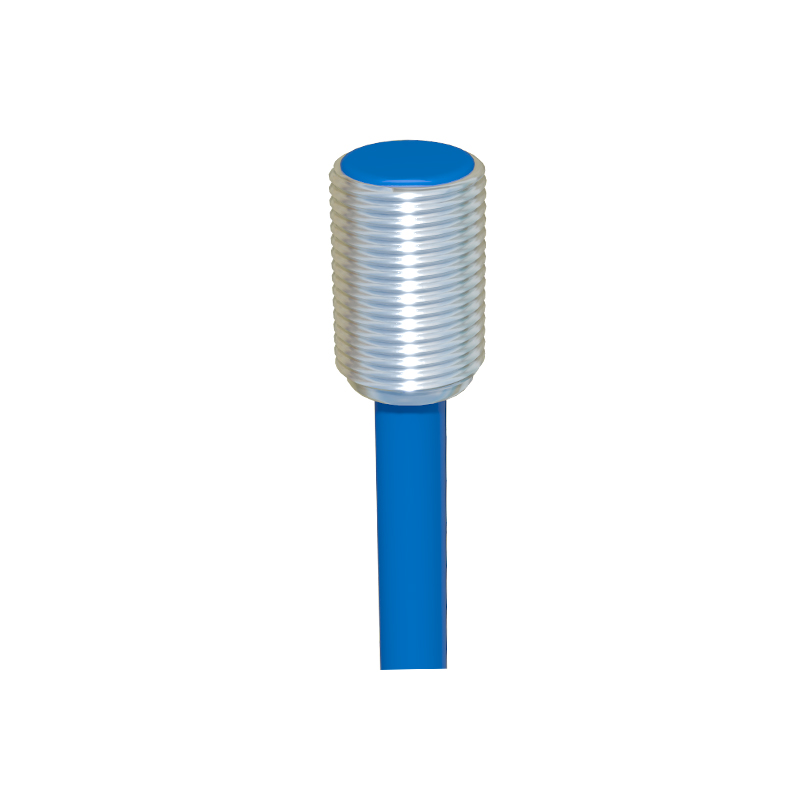
When selecting an M12 inductive proximity sensor, engineers must consider several factors beyond the basic specifications. The target material is paramount; while ferrous metals like steel provide the longest sensing range, non-ferrous metals like aluminum or copper require sensors specifically designed or adjusted for reduced range. The mounting conditions—whether flush (embedded in metal) or non-flush—also affect the operational sensing distance and must be accounted for in mechanical design. For applications involving different metals or requiring extreme precision, analog output or factor-1 sensors (which provide the same sensing distance for all metals) are preferred. The growing integration of IO-Link connectivity offers future-proofing, allowing for easier integration into Industry 4.0 and Industrial Internet of Things (IIoT) frameworks, where sensor data becomes a valuable asset for overall equipment effectiveness (OEE) calculations and process optimization.
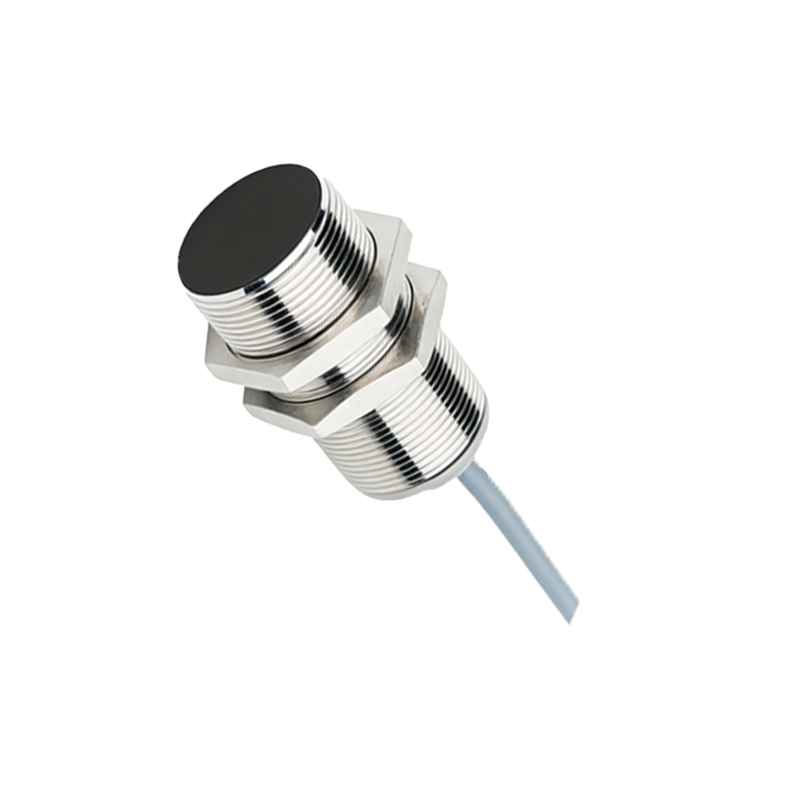
In conclusion, the M12 inductive proximity sensor is far more than a simple metal detector. Its standardized design, proven reliability, and evolving intelligence through digital communication protocols solidify its role as an essential component in modern industrial control systems. By understanding its operating principles and carefully matching its specifications to the application requirements, engineers can ensure robust, efficient, and data-rich automation solutions that drive productivity and operational excellence on the factory floor.