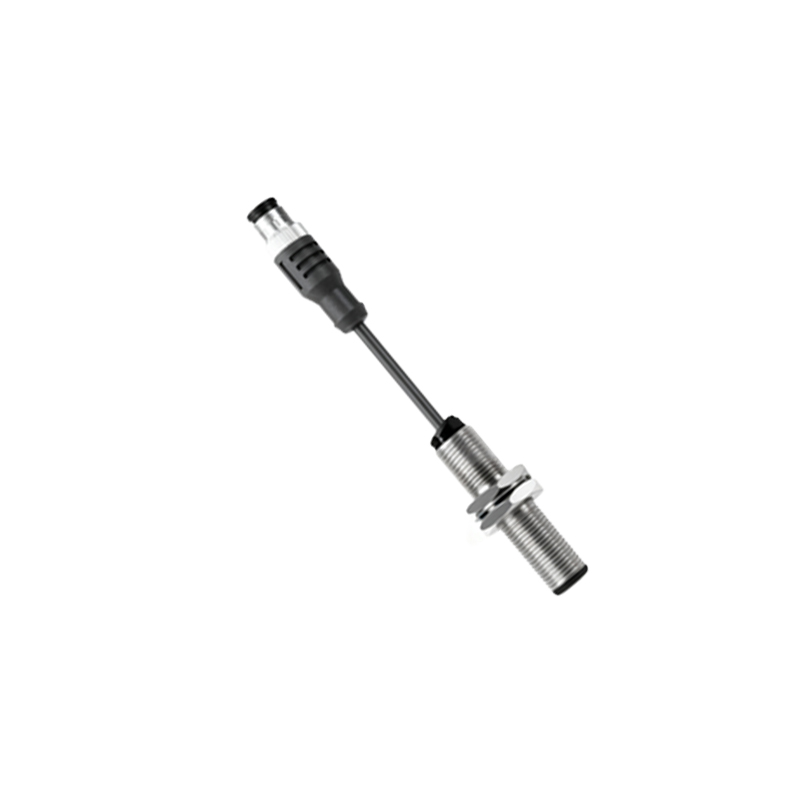
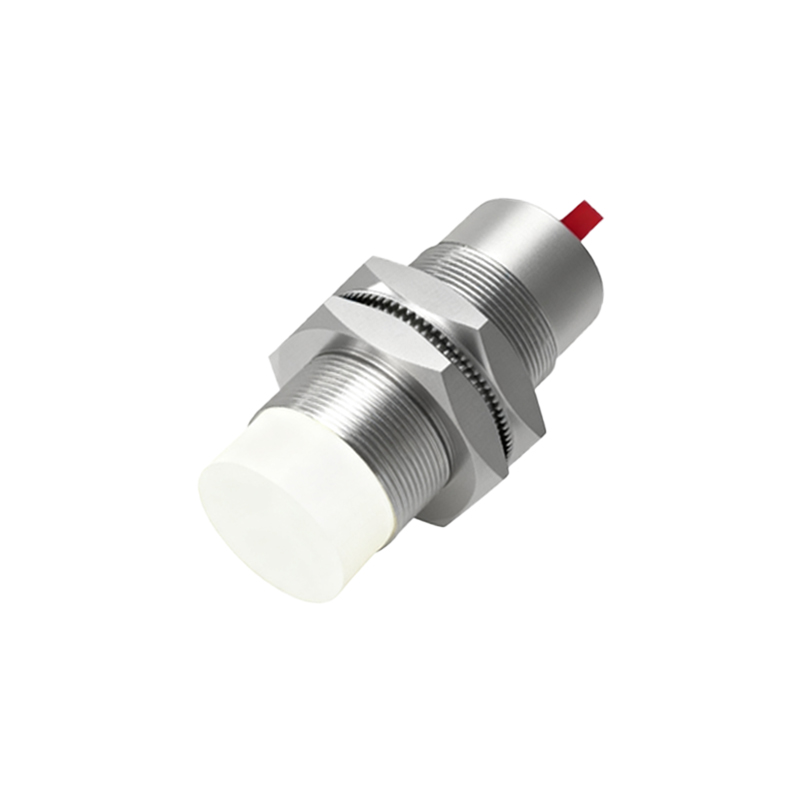
In the realm of industrial automation and electrical control systems, proximity switch sensors are indispensable components for non-contact detection of objects. Among the various models available, the L1 and L2 series are frequently encountered, each designed to meet specific operational requirements. This article delves into the technical distinctions between these two common types, providing clarity for engineers and technicians in selection and application.
The primary difference between L1 and L2 proximity sensors lies in their sensing technology and output characteristics. L1 sensors typically utilize inductive sensing principles, making them ideal for detecting metallic objects. They operate by generating an electromagnetic field; when a metal target enters this field, it induces eddy currents, causing a change in the sensor's oscillation amplitude. This change triggers a switching action, often providing a digital output signal. L1 sensors are known for their robustness in harsh industrial environments, with standard sensing ranges varying from a few millimeters to several centimeters, depending on the specific model and target material. Their output is commonly in the form of a PNP (sourcing) or NPN (sinking) transistor configuration, which interfaces seamlessly with programmable logic controllers (PLCs) and other control devices.
In contrast, L2 proximity sensors often incorporate capacitive sensing technology, enabling them to detect both metallic and non-metallic materials, such as plastics, liquids, or wood. This versatility stems from their ability to sense changes in capacitance when any object with a different dielectric constant approaches the sensing face. L2 sensors are particularly useful in applications where material diversity is a factor, such as in packaging, food processing, or chemical industries. Their sensing range might be slightly shorter than inductive types for metallic targets but remains effective for non-conductive materials. Output options for L2 sensors can include analog signals (e.g., 4-20 mA or 0-10 V) in addition to digital switches, allowing for continuous monitoring of distance or material presence, which is beneficial in precision control scenarios.
Another key distinction is in environmental adaptability and installation considerations. L1 inductive sensors are generally more resistant to electrical noise and contaminants like dust or oil, thanks to their sealed designs and immunity to non-metallic interference. They are commonly rated with high ingress protection (IP) grades, such as IP67 or IP68, ensuring durability in wet or dirty conditions. L2 capacitive sensors, while also available in rugged enclosures, may require careful calibration to avoid false triggers from environmental factors like humidity or temperature changes, as these can affect capacitance. Mounting and alignment are critical for both types, but L2 sensors might need more precise setup to account for material-specific sensitivity.
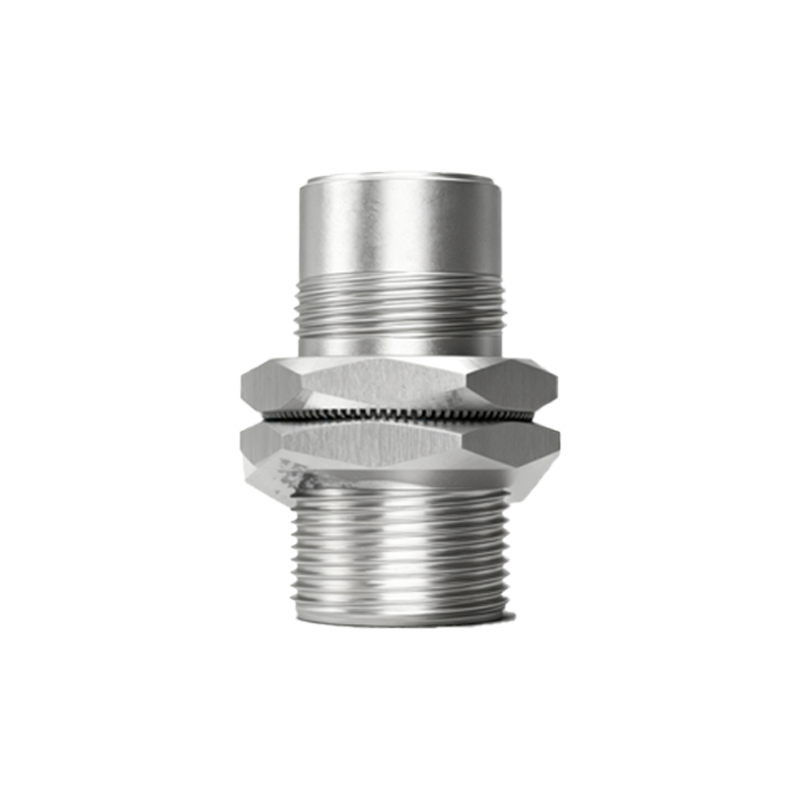
Application-wise, L1 sensors are predominantly used in metal detection tasks—for instance, in machine tooling, conveyor systems, or automotive assembly lines where position sensing of metal parts is essential. Their fast response times and high switching frequencies make them suitable for high-speed operations. On the other hand, L2 sensors find their niche in level detection of liquids or granular materials, object counting in mixed-material environments, or presence sensing in non-metallic product handling. The choice between L1 and L2 ultimately hinges on the target material, required sensing distance, output type, and environmental conditions.
In summary, while both L1 and L2 proximity switch sensors serve the core function of non-contact detection, their technological foundations and performance parameters set them apart. L1 inductive sensors excel in metallic object detection with reliable digital outputs, whereas L2 capacitive sensors offer broader material compatibility and potential analog feedback. Understanding these differences ensures optimal sensor selection, enhancing system efficiency and reliability in diverse industrial settings. Engineers should consult manufacturer datasheets for specific ratings, such as operating voltage, temperature range, and housing materials, to align with project needs.