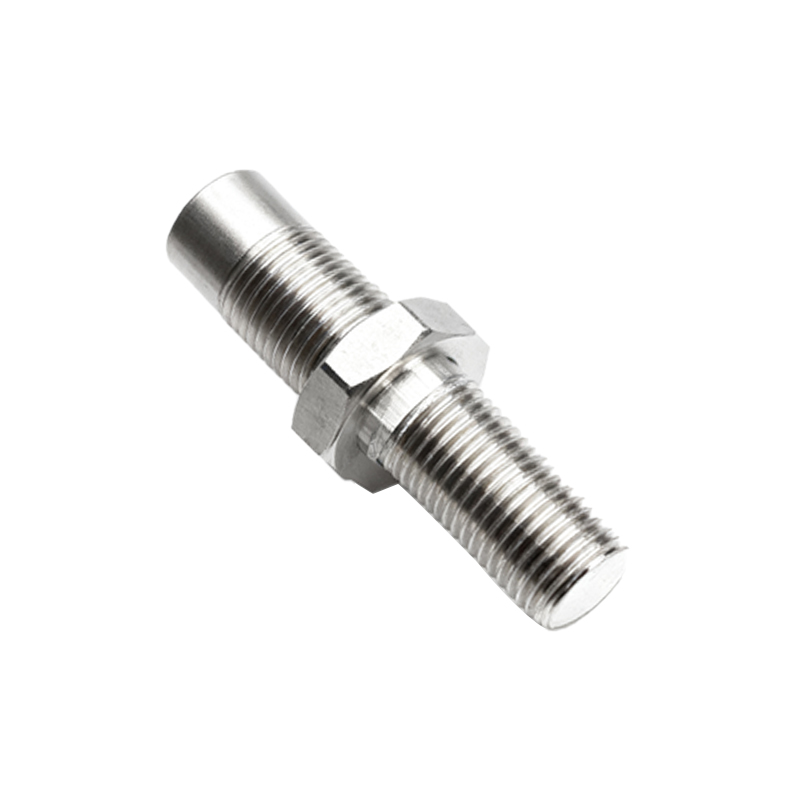
In the industrial landscape of Sanshui District, proximity sensors, particularly those employing metallic sensing principles, have become indispensable components within automation and control systems. These non-contact devices are engineered to detect the presence or absence of metallic objects with high precision and reliability, forming the backbone of countless manufacturing, packaging, and material handling processes. This article delves into the operational principles, key types, and critical application considerations for metal proximity sensors within this dynamic industrial region.
Fundamentally, a metal proximity sensor operates by generating an electromagnetic field. The most prevalent technology is the inductive proximity sensor. This type contains a coil wound around a ferrite core, an oscillator, a signal conditioner, and an output switching circuit. When an AC current is passed through the coil, it produces an oscillating electromagnetic field emanating from the sensor's face. When a metallic object (the "target") enters this field, eddy currents are induced on the surface of the target. This action loads the oscillator circuit, causing a change in its amplitude. The sensor's detection circuit monitors this oscillation change and triggers a solid-state output switch (typically PNP or NPN). It is crucial to note that these sensors are primarily designed for ferrous metals like steel and iron, though many can also detect non-ferrous metals like aluminum, copper, and brass, albeit with a reduced sensing distance, often specified as a correction factor.
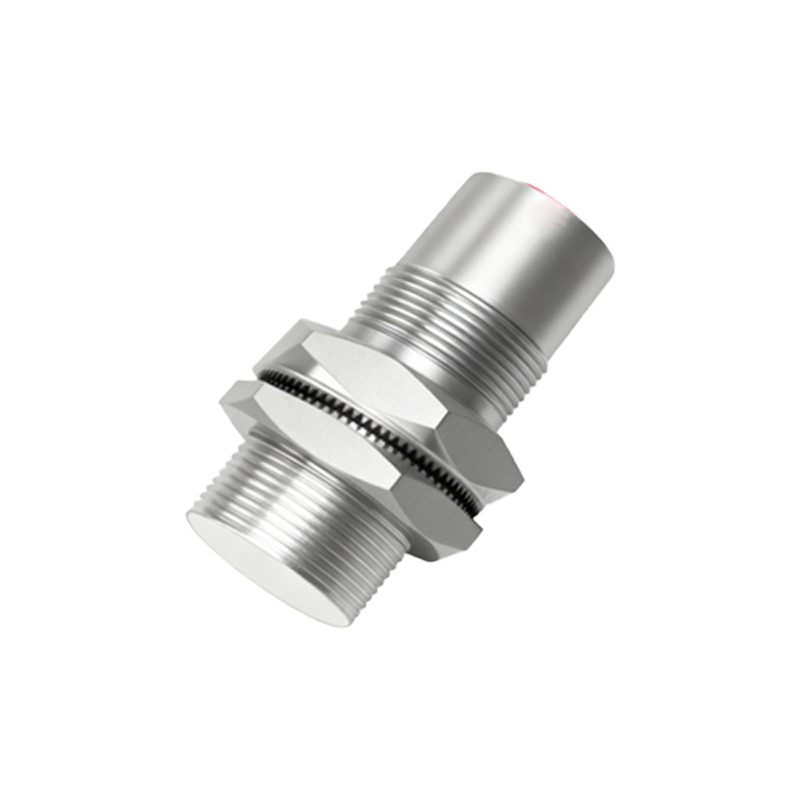
Beyond the standard inductive sensor, other specialized types are deployed in Sanshui's factories. Capacitive proximity sensors can detect both metallic and non-metallic materials by sensing changes in capacitance. However, for purely metallic detection, inductive sensors remain the preferred choice due to their immunity to non-conductive materials and environmental contaminants like dust or coolant mist. For applications requiring detection of different metal types or specific properties, high-frequency oscillation models and all-metal sensors offer more uniform performance across various materials.
The selection and deployment of these sensors in Sanshui's industrial settings hinge on several technical parameters. The nominal sensing distance (Sn), as defined by international standards (e.g., IEC 60947-5-2), is a primary specification. It is measured under ideal conditions with a standard mild steel target. Engineers must account for real-world factors such as target material, size, shape, and installation conditions, which can affect the effective operating distance. Embedding the sensor in metal (flush mounting) reduces its range compared to non-flush mounting. The housing material is another critical choice; stainless steel bodies offer superior resistance to chemical corrosion and physical impact, which is vital in harsh environments common in metalworking or chemical processing plants in the district, while nickel-plated brass or PBT plastic housings serve well in less demanding applications.
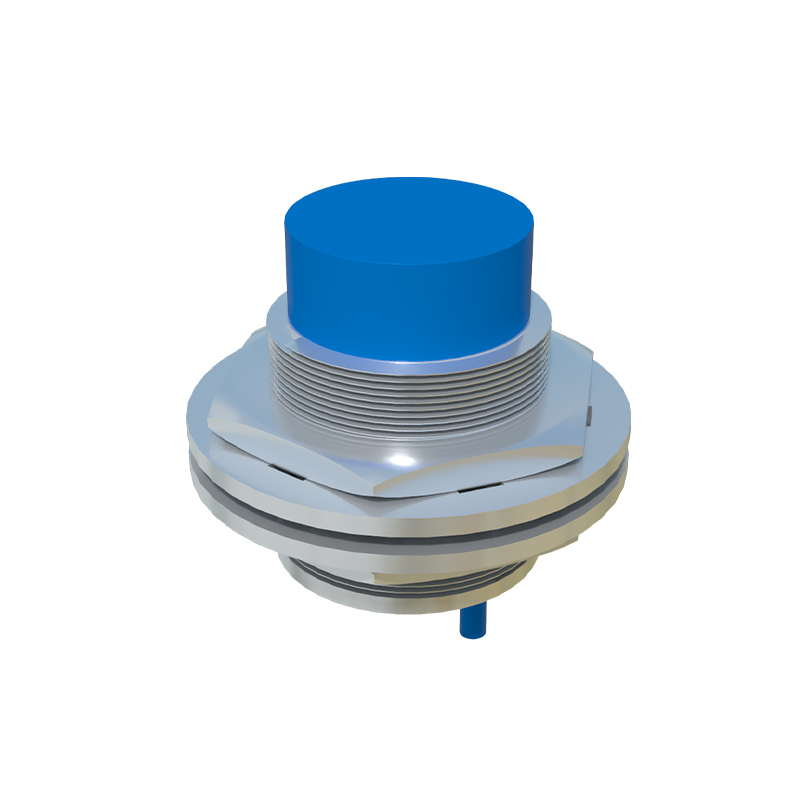
Output configuration is equally important. Two-wire AC/DC, three-wire DC (PNP or NNP sourcing/sinking), and four-wire versions are available, with the three-wire DC being the most common for programmable logic controller (PLC) integration. The output type, whether normally open (NO) or normally closed (NC), must be selected based on the control logic's fail-safe requirements. Furthermore, protection ratings are non-negotiable. An ingress protection rating of IP67 is standard, allowing the sensor to withstand temporary immersion and dust ingress, ensuring longevity in washdown areas or outdoor installations.
In practical application within Sanshui, these sensors perform myriad tasks. They are used for precise positioning control in CNC machining centers, verifying the presence of metal components on assembly lines, counting metal parts on conveyor belts, and as end-of-travel limit switches in automated machinery. Their speed, often capable of switching thousands of times per second, and their rugged, wear-free operation make them far superior to mechanical limit switches. A key best practice is to ensure proper electrical shielding and grounding to minimize electromagnetic interference from nearby motors or frequency drives, which can cause erratic behavior. Regular maintenance, though minimal, involves checking for physical damage, buildup of metallic swarf on the sensing face, and verifying electrical connections.
Looking forward, the integration of smart features and Industrial Internet of Things (IIoT) connectivity is becoming more prevalent. Sensors with IO-Link communication, for instance, can provide diagnostic data such as operating temperature, signal strength, and switch cycle counts to supervisory systems, enabling predictive maintenance—a trend aligning with Sanshui's push towards smarter manufacturing. In conclusion, the effective application of metal proximity sensors in Sanshui District requires a solid understanding of their technology, careful selection based on environmental and functional needs, and proper installation. These robust devices, though small, play an outsized role in ensuring the efficiency, safety, and reliability of the district's automated industrial processes.