In the realm of industrial automation and control systems, proximity sensors play a crucial role in detecting the presence or absence of objects without physical contact. The performance and reliability of these sensors are heavily dependent on the wiring used to connect them. Selecting the best wire for proximity sensor applications is not merely a matter of convenience; it directly impacts signal integrity, noise immunity, durability, and overall system safety. This article delves into the key considerations and recommendations for choosing the optimal sensor wire in proximity setups.
First and foremost, the electrical characteristics of the wire are paramount. Proximity sensors typically operate with low-voltage DC signals, often in the range of 10-30V DC, and require wires that minimize voltage drop and signal attenuation. For most standard inductive or capacitive proximity sensors, a wire with a conductor size of AWG 18 to AWG 22 is commonly recommended. Thicker conductors (e.g., AWG 16) may be necessary for longer cable runs exceeding 50 meters to prevent excessive resistance that could weaken the sensor output. The wire must also have proper insulation rated for the operating voltage, with PVC or polyethylene being standard choices for general industrial environments.
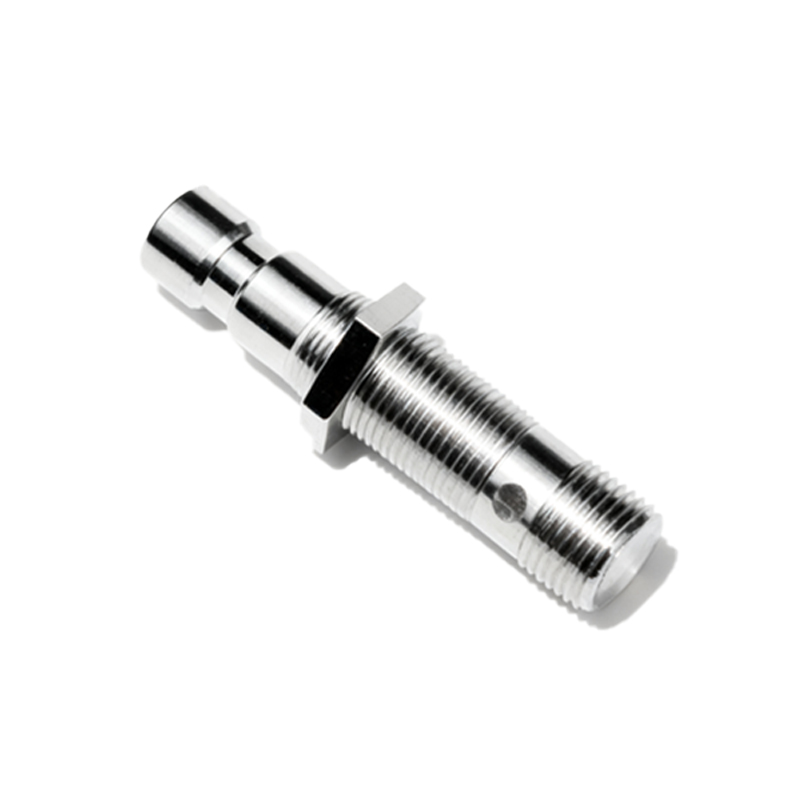
Shielding is a critical factor in proximity sensor wiring, especially in environments with high electromagnetic interference (EMI) or radio frequency interference (RFI). Proximity sensors are susceptible to noise from motors, drives, and other electrical equipment, which can cause false triggering or signal degradation. A shielded cable, such as one with a braided copper or foil shield, effectively grounds external interference, ensuring clean signal transmission. For optimal performance, the shield should be grounded at one end only (typically the controller side) to avoid ground loops that can introduce additional noise. In highly noisy settings, twisted-pair wiring is also advantageous, as it cancels out induced noise through its geometry.
The mechanical and environmental durability of the wire cannot be overlooked. Proximity sensors are often deployed in harsh conditions involving moisture, chemicals, abrasion, or extreme temperatures. Therefore, the wire jacket material must be selected based on the specific application. Polyurethane (PUR) jackets offer excellent resistance to oils, solvents, and abrasion, making them ideal for manufacturing floors or robotic cells. For outdoor or wet locations, wires with thermoplastic elastomer (TPE) or cross-linked polyethylene (XLPE) insulation provide superior waterproofing and UV resistance. Additionally, flexible cables designed for continuous movement—such as those used in cable carriers—should have high strand counts and fatigue-resistant construction to prevent breakage over time.
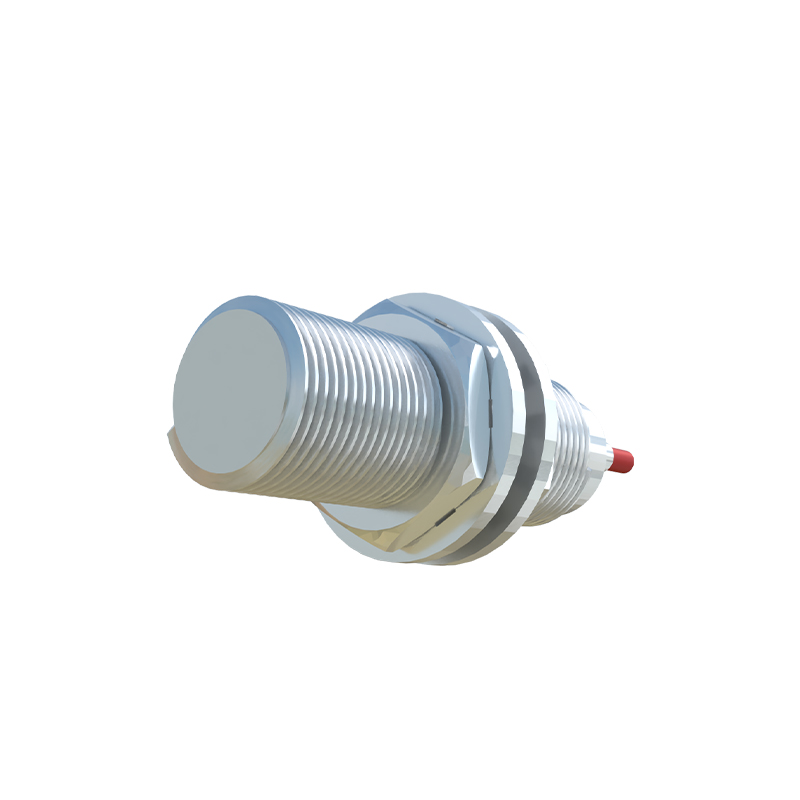
Connector compatibility is another practical aspect. Many proximity sensors come with integrated connectors (e.g., M8 or M12 types), which require matching cable connectors for a secure interface. Using standardized, pre-assembled cable assemblies can simplify installation and reduce failure points. For hard-wired sensors, proper termination techniques, such as crimping or soldering, must be employed to ensure reliable electrical connections. Loose or corroded terminations can lead to intermittent faults that are difficult to diagnose.
From a safety and compliance perspective, wires must adhere to relevant industry standards, such as UL, CE, or ISO certifications, which validate their performance under specified conditions. In hazardous areas with explosive atmospheres, intrinsically safe wiring with appropriate certifications is mandatory to prevent ignition risks. Furthermore, color-coding of wires (e.g., brown for positive, blue for negative, and black for output) aids in correct installation and troubleshooting, reducing human error.
In summary, the best wire for proximity sensor applications is one that balances electrical efficiency, noise immunity, mechanical robustness, and environmental suitability. While no single wire fits all scenarios, a shielded, flexible cable with AWG 18-22 conductors and a PUR or TPE jacket often serves as a versatile choice for most industrial proximity sensing tasks. Engineers should always consult sensor manufacturer guidelines and assess the specific operational environment to make an informed selection. Investing in high-quality wiring not only enhances sensor accuracy but also extends system lifespan, minimizing downtime and maintenance costs in the long run.