In the rapidly evolving landscape of industrial automation and IoT applications, waterproof proximity sensors have become indispensable components. Their ability to reliably detect the presence or absence of objects in harsh, wet, or washdown environments—from food processing plants to outdoor machinery—makes them a critical investment. A common question among procurement specialists, design engineers, and project managers is: "What determines the market price of these sensors?" The answer is multifaceted, rooted in a complex interplay of technology, materials, and market forces.
Firstly, the core sensing technology is a primary price driver. Inductive, capacitive, and ultrasonic waterproof proximity sensors each command different price points. Inductive sensors, typically used for metal detection, are often the most cost-effective for standard applications. Capacitive sensors, capable of detecting a wider range of materials including liquids and non-metals, generally carry a higher price tag due to more complex circuitry. Ultrasonic sensors, offering longer ranges and advanced functionality, sit at the premium end of the spectrum. The price escalates further with integrated smart features like IO-Link communication, advanced diagnostics, or programmable logic, which add significant value but also increase manufacturing costs.
Secondly, the degree of protection, precisely defined by the IP (Ingress Protection) rating, directly impacts cost. A sensor with a basic IP67 rating (protected against temporary immersion) is standard. However, sensors designed for continuous high-pressure, high-temperature washdowns, often requiring an IP69K rating, necessitate more robust housing materials (like high-grade stainless steel V4A/316L), specialized sealing technologies (laser-welded diaphragms, multiple O-rings), and rigorous testing. These enhanced materials and manufacturing processes contribute substantially to a higher unit price.
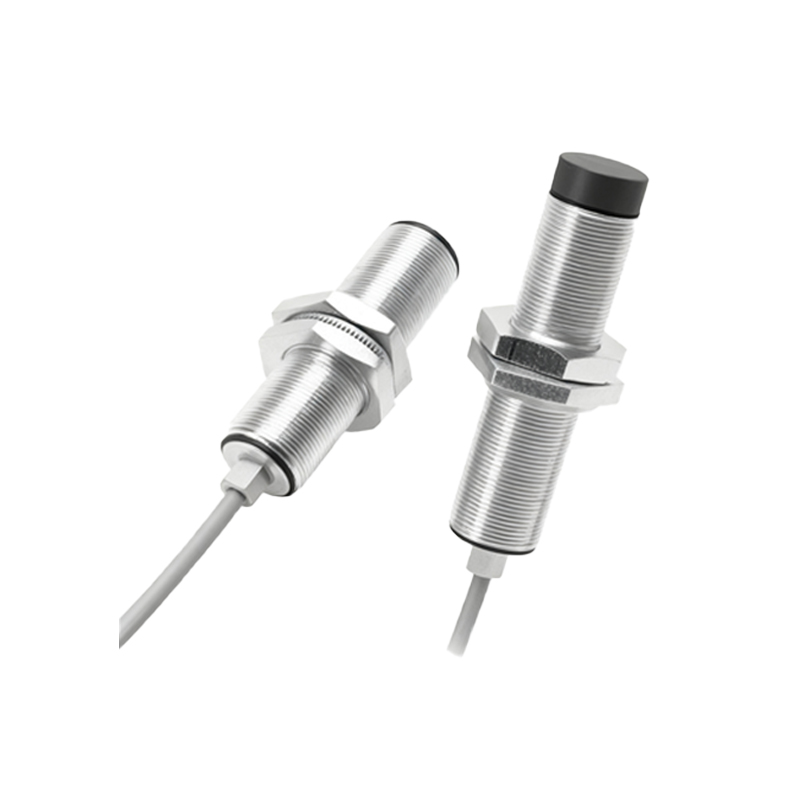
The third major factor is performance specifications. Sensing range, switching frequency, and output type (PNP/NPN, analog, relay) all influence price. A standard-range sensor will be less expensive than an extended-range model. Similarly, a sensor with a high switching frequency for fast-moving applications requires higher-quality internal components. Brand reputation and associated services also play a crucial role. Established manufacturers with global distribution networks, extensive technical support, extended warranties, and proven reliability records can justify a price premium over generic or lesser-known brands. Buyers are not just purchasing a component; they are investing in system uptime and risk mitigation.
Furthermore, market dynamics such as raw material costs (for metals, plastics, and electronic chips), global supply chain stability, and regional demand fluctuations cause prices to vary over time. Order volume is another critical element; unit prices drop significantly for bulk OEM orders compared to small-quantity MRO purchases.
In conclusion, the market price of a waterproof proximity sensor is not arbitrary. It is a reflection of its technological sophistication, construction durability, performance capabilities, and the brand's value proposition. For professionals making purchasing decisions, the key is to conduct a thorough Total Cost of Ownership (TCO) analysis. The cheapest sensor upfront may lead to higher costs from frequent failures, production downtime, or maintenance. Investing in a correctly specified, high-quality sensor from a reputable supplier often proves more economical in the long run, ensuring reliability, safety, and efficiency in demanding operational environments.