In the realm of industrial automation and electronic control systems, proximity sensors play a pivotal role in enabling non-contact detection of objects. Among these, the S8 series of proximity sensors stands out as a reliable and widely adopted solution across various sectors, including manufacturing, automotive, and packaging. This article delves into the technical specifications, operational principles, and practical applications of S8 proximity sensors, offering insights for engineers and technicians seeking to optimize their systems.
S8 proximity sensors are typically inductive sensors designed to detect metallic objects without physical contact. They operate on the principle of electromagnetic induction. Inside the sensor, an oscillator generates a high-frequency electromagnetic field that emanates from the sensing face. When a metallic object enters this field, eddy currents are induced in the object, causing a change in the oscillation amplitude. This change is detected by the sensor's circuitry, which then triggers a switching action—either opening or closing an output circuit. This mechanism allows for precise, wear-free detection, making S8 sensors ideal for harsh environments where mechanical wear could compromise performance.
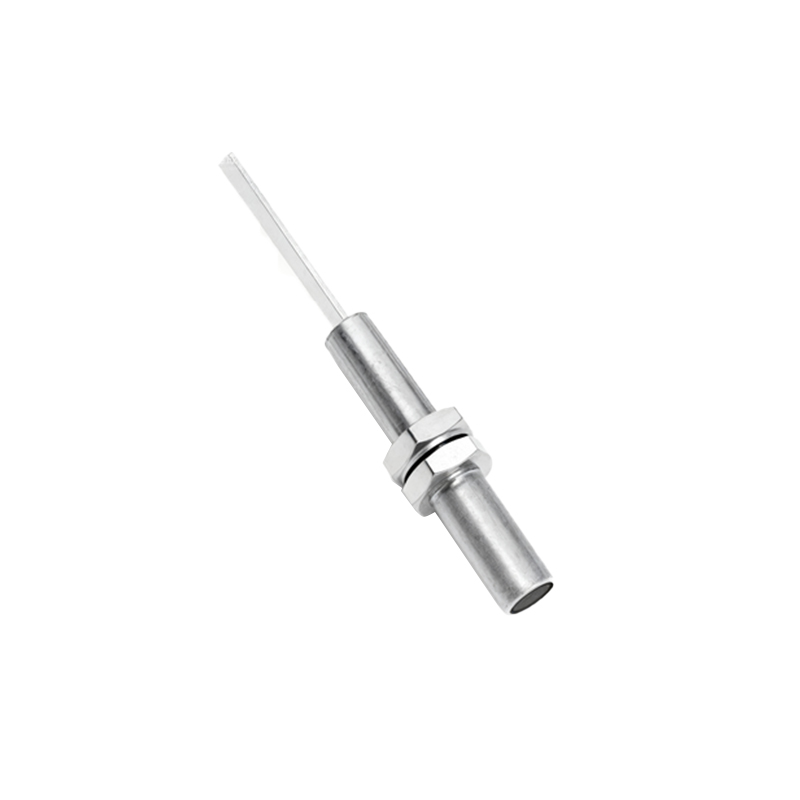
Key features of S8 proximity sensors include their compact design, high switching frequency, and robust construction. Many models in the S8 series are built with stainless steel or nickel-plated brass housings, providing resistance to corrosion, oils, and coolants commonly found in industrial settings. They often offer short-circuit and overload protection, ensuring longevity and reducing downtime. The sensing range varies by model but typically spans from a few millimeters to several centimeters, with factors like target material (e.g., steel, aluminum) and size influencing effective range. Additionally, S8 sensors are available in both normally open (NO) and normally closed (NC) configurations, as well as analog output versions for distance measurement applications.
Installation and wiring of S8 sensors are straightforward, with many featuring pre-wired connectors or terminal options for easy integration into control panels. It is crucial to consider environmental conditions during installation; for instance, ensuring proper shielding from electromagnetic interference (EMI) and maintaining adequate clearance from other metal objects can prevent false triggering. Regular maintenance involves checking for physical damage, cleaning the sensing face, and verifying output signals with a multimeter or oscilloscope.
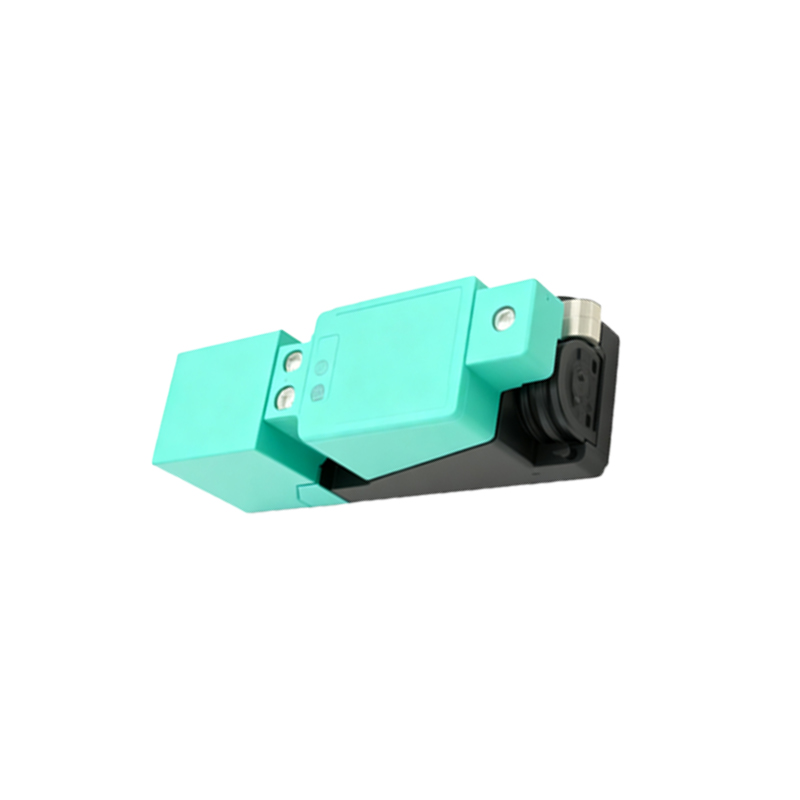
In practical applications, S8 proximity sensors are employed in diverse scenarios. On assembly lines, they detect the presence of components for robotic arms or conveyor systems, enabling precise positioning and counting. In automotive manufacturing, they monitor the position of engine parts or verify door closures. Packaging machinery utilizes these sensors to control filling levels or detect labels. Their non-contact nature also makes them suitable for safety systems, such as monitoring guard doors to halt machinery when opened.
When selecting an S8 sensor, engineers should evaluate parameters like sensing distance, output type (e.g., PNP, NPN), voltage rating (commonly 10-30V DC), and environmental ratings (e.g., IP67 for dust and water resistance). Comparing datasheets from manufacturers can help identify the optimal model for specific operational demands.
In summary, S8 proximity sensors offer a blend of durability, accuracy, and versatility, making them a cornerstone in modern industrial automation. By understanding their functionality and application nuances, professionals can enhance system efficiency and reliability, driving productivity in competitive markets.