In the realm of industrial automation and electronic control systems, proximity sensors stand as fundamental components, enabling machines to "sense" the presence or absence of objects without physical contact. A proximity sensor is a device that detects the presence of a nearby object within its sensing range and converts this information into an electrical signal. This non-contact detection capability is crucial for applications demanding high reliability, speed, and durability, where mechanical switches would fail or wear out prematurely.
The core principle behind most proximity sensors involves generating an electromagnetic field or a beam of radiation (like infrared light) and monitoring for changes in the field or the return signal. When an object enters this active field, it causes a detectable alteration—such as a change in oscillation amplitude, capacitance, or light reflection—which the sensor's circuitry interprets as a detection event. This signal is then output, typically as a simple ON/OFF switch signal (digital), though some advanced models provide analog outputs proportional to distance.
Several primary types of proximity sensors dominate the market, each with distinct operating principles and ideal use cases. Inductive proximity sensors are among the most common. They generate an oscillating electromagnetic field and detect the eddy current losses induced in conductive metallic targets. They are robust, cost-effective for metal detection, and immune to environmental factors like dust or oil. However, they only detect metals.
Capacitive proximity sensors, on the other hand, can detect both metallic and non-metallic materials, including liquids, plastics, wood, and granules. They function by measuring changes in capacitance between the sensor's active surface and the ground, which occurs when any material with a different dielectric constant enters the sensing field. This makes them versatile for level detection, material handling, and presence sensing of non-metals.
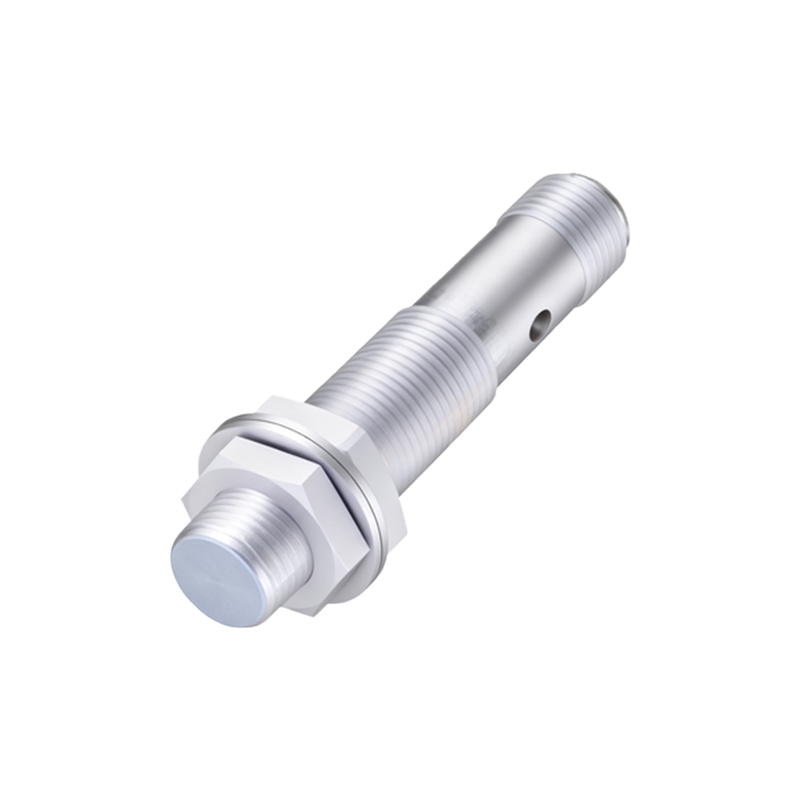
Ultrasonic proximity sensors emit high-frequency sound waves and measure the time taken for the echo to return. They are excellent for detecting objects of virtually any material, over longer distances, and are suitable for challenging environments with dust, smoke, or vapors. Applications include distance measurement, level sensing in tanks, and object detection on conveyor belts.
Photoelectric sensors, while sometimes categorized separately, function as proximity devices. They use a light emitter (usually LED) and a receiver. In the diffuse reflective mode, the sensor detects light reflected from the target itself, acting as a proximity sensor. They offer long sensing ranges and can detect small objects, but their performance can be affected by color, transparency, and environmental contaminants.
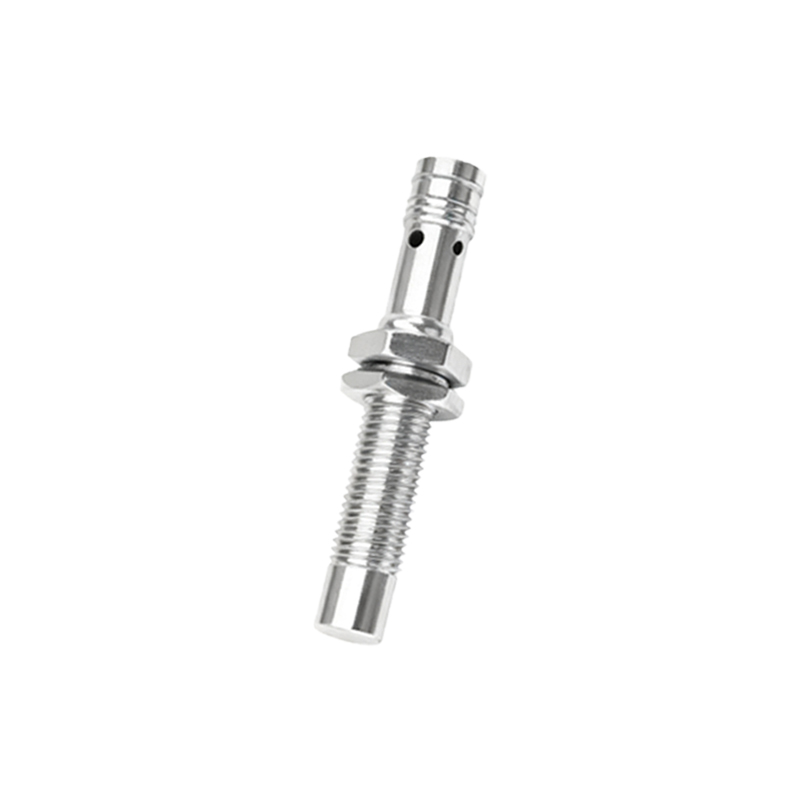
Magnetic proximity sensors, often called reed switches or Hall-effect sensors, detect the presence of a permanent magnet. They are extremely reliable for detecting the position of cylinders or doors and are sealed against harsh conditions.
The selection of an appropriate proximity sensor for a specific application requires careful consideration of multiple parameters. The sensing range, defined as the nominal distance at which a standard target can be reliably detected, is paramount. Environmental factors are critical; one must consider temperature extremes, potential exposure to chemicals, washdown requirements, and the presence of electrical noise. The target material directly dictates whether an inductive, capacitive, or ultrasonic sensor is needed. The required output type (e.g., NPN/PNN transistor, analog, IO-Link) must match the control system's input card. Physical characteristics like housing material (often nickel-plated brass or stainless steel), size, and connection type (pre-wired or connector) are chosen based on mechanical installation constraints.
In practical applications, proximity sensors are ubiquitous. On automated assembly lines, inductive sensors count metallic parts or verify the position of a robotic arm. Capacitive sensors monitor fill levels in bottles containing liquids or powders. Ultrasonic sensors manage stack height in palletizing systems. In the automotive industry, they ensure safety by verifying door closure or detecting obstacles. Their solid-state design, with no moving parts, grants them exceptional operational life, often rated in millions of cycles, making them a cornerstone of modern industrial efficiency and the Internet of Things (IoT) in manufacturing.
As technology advances, sensors are becoming smarter. Sensors with IO-Link communication provide detailed diagnostic data, such as temperature warnings, signal strength, and parameterization capabilities, enabling predictive maintenance and easier integration into Industry 4.0 frameworks. Understanding the fundamental concepts, types, and selection criteria for proximity sensors is essential for any engineer or technician designing, maintaining, or optimizing automated systems where precise, reliable, and contactless detection is the key to performance and safety.