In the realm of industrial automation, whisker proximity sensors have emerged as a pivotal technology for enhancing precision and safety in various applications. These sensors, inspired by the tactile sensing mechanisms of animals like rodents and cats, utilize flexible, whisker-like probes to detect objects and measure distances without physical contact. Their unique design allows for reliable operation in challenging environments where traditional optical or capacitive sensors may fail due to dust, moisture, or electromagnetic interference. This article explores several real-world application cases of whisker proximity sensors, highlighting their benefits and implementation strategies.
One prominent application is in robotic manipulation and assembly lines. In automotive manufacturing, for instance, robots equipped with whisker sensors can accurately position components such as engine parts or body panels. The sensors provide real-time feedback on proximity and alignment, reducing errors and minimizing collision risks. Unlike vision-based systems that require clear lighting conditions, whisker sensors perform consistently in low-visibility settings, ensuring uninterrupted production flow. A case study from a leading car manufacturer demonstrated a 30% reduction in assembly time and a significant drop in defect rates after integrating whisker sensors into their robotic arms.
Another critical use case is in hazardous material handling. In chemical plants or nuclear facilities, whisker proximity sensors enable safe monitoring of container levels and object detection in confined spaces. Their non-contact nature prevents contamination and wear, while their resilience to corrosive substances extends operational lifespan. For example, a European chemical company implemented these sensors to manage toxic liquid storage tanks, achieving precise level control and early leak detection without exposing workers to danger. The sensors' ability to function in high-temperature and high-pressure environments further underscores their versatility.
Warehousing and logistics also benefit from whisker sensor technology. Automated guided vehicles (AGVs) and drones utilize these sensors for navigation and obstacle avoidance in dynamic warehouse settings. The whiskers' flexibility allows them to detect subtle changes in proximity, enabling smooth maneuvering around shelves and pallets. In a large e-commerce fulfillment center, AGVs fitted with whisker sensors improved inventory retrieval accuracy by 25% and reduced collision incidents by 40%, leading to enhanced efficiency and lower maintenance costs. Additionally, the sensors' low power consumption aligns with sustainability goals, making them an eco-friendly choice for modern logistics.
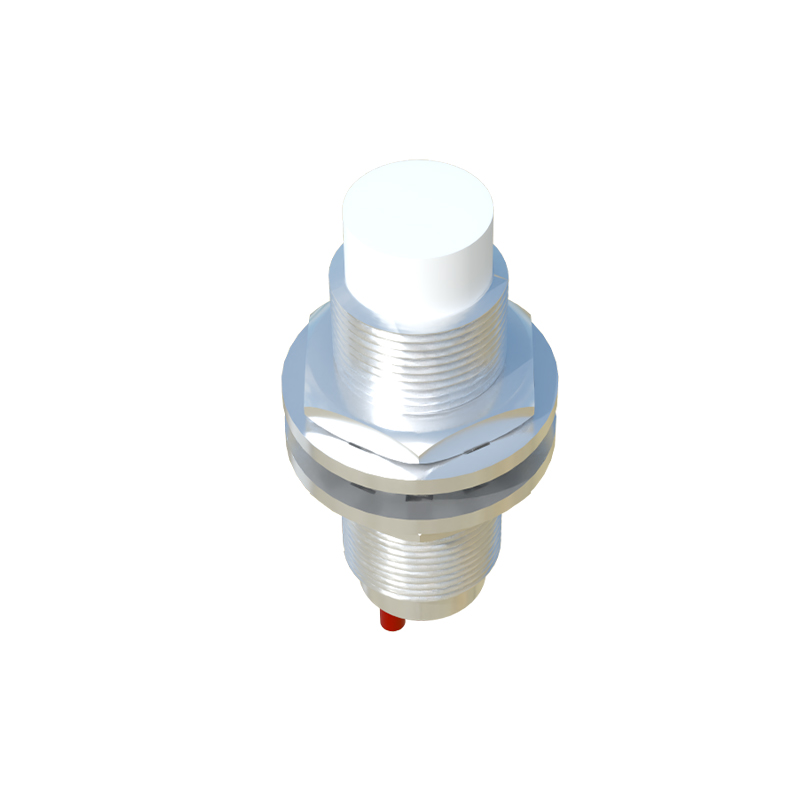
In the field of medical robotics, whisker proximity sensors contribute to minimally invasive surgeries and rehabilitation devices. Surgical robots employ these sensors to gauge tissue proximity during procedures, providing surgeons with tactile-like feedback for enhanced control. A hospital in North America reported improved patient outcomes in laparoscopic surgeries after adopting whisker-sensor-equipped robotic tools, citing reduced operative times and fewer complications. Similarly, prosthetic limbs integrated with whisker sensors can detect nearby objects, aiding users in daily activities and improving quality of life.
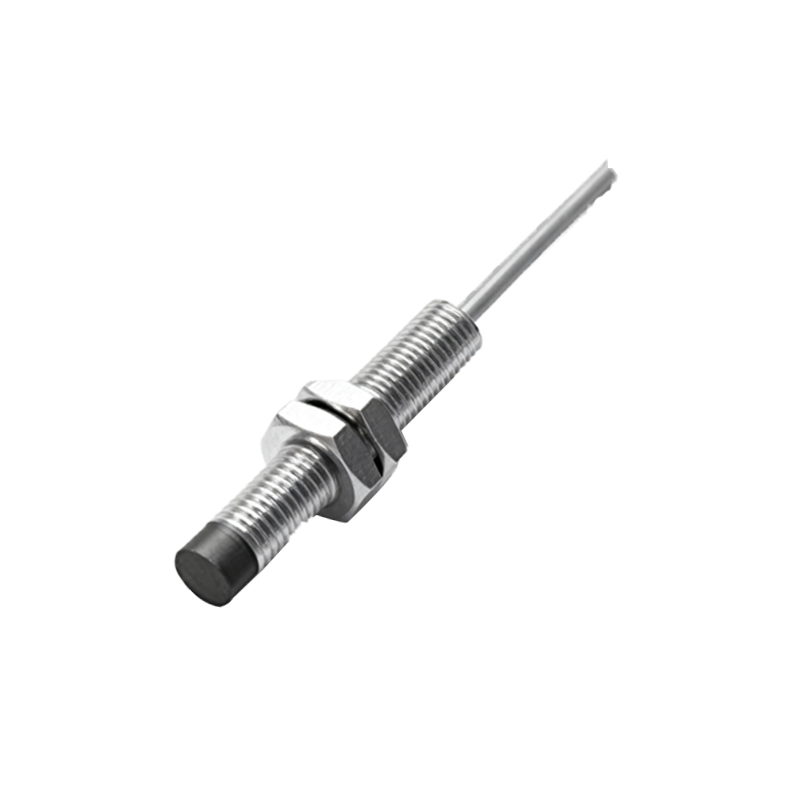
The agricultural sector has also adopted whisker sensors for precision farming. Autonomous tractors and harvesters use them to monitor crop proximity, preventing damage during planting or harvesting operations. In a vineyard application, sensors helped optimize grape-picking by detecting vine positions accurately, resulting in higher yield and reduced waste. Their durability against outdoor elements like rain and dirt makes them ideal for agricultural machinery.
Despite their advantages, implementing whisker proximity sensors requires careful consideration. Factors such as material selection for the whiskers (often polymer-based for flexibility), calibration for specific ranges, and integration with control systems must be addressed. Engineers recommend regular maintenance to prevent debris accumulation and ensure consistent performance. Future trends point toward miniaturization and smart sensor networks, where whisker sensors will communicate with IoT platforms for predictive analytics in Industry 4.0 scenarios.
In conclusion, whisker proximity sensors offer a robust solution for diverse industrial challenges, from manufacturing to healthcare. Their adaptability, reliability, and cost-effectiveness make them a valuable asset in advancing automation. As technology evolves, these sensors are poised to play an even greater role in creating safer, more efficient, and intelligent systems across global industries.