In the intricate world of industrial automation and precision machinery, every component plays a critical role. Among these, the humble screw used to secure a proximity sensor is far more than a simple fastener. It is a pivotal element in ensuring the reliability, accuracy, and longevity of sensing systems that form the nervous system of modern manufacturing. A proximity sensor, whether inductive, capacitive, or photoelectric, detects the presence or absence of an object without physical contact. Its performance is heavily dependent on its precise positioning and stable mounting. This is where the specific choice of screw becomes an engineering consideration, not just an afterthought.
The primary function of a proximity sensor screw is to maintain a rigid and vibration-resistant connection between the sensor body and its mounting bracket or machine frame. Vibration is the nemesis of sensitive electronics. In high-speed production environments, such as packaging lines, automotive assembly, or CNC machining centers, constant vibration can loosen standard fasteners. A loosened sensor can shift its sensing field, leading to false triggers, missed detections, and ultimately, production errors or machine downtime. Therefore, screws for this application often feature thread-locking technologies. These can include pre-applied adhesives like nylon patches (e.g., Nylok patches) or chemical thread-locking compounds that cure after assembly, creating a permanent bond that resists loosening under dynamic loads.
Material selection is another crucial factor. Proximity sensors are frequently deployed in harsh environments. They may be exposed to coolants, oils, washdown chemicals, extreme temperatures, or corrosive atmospheres. Using a standard steel screw in a washdown area in a food processing plant, for instance, would lead to rapid corrosion, compromising the joint and potentially contaminating the product. Hence, sensor screws are commonly made from stainless steel (such as A2 or A4/316 grades), which offers excellent corrosion resistance. For applications requiring non-magnetic properties or exceptional chemical resistance, alloys like brass or even specialized plastics like PEEK might be employed. The material must be compatible with both the sensor housing and the mounting surface to prevent galvanic corrosion.
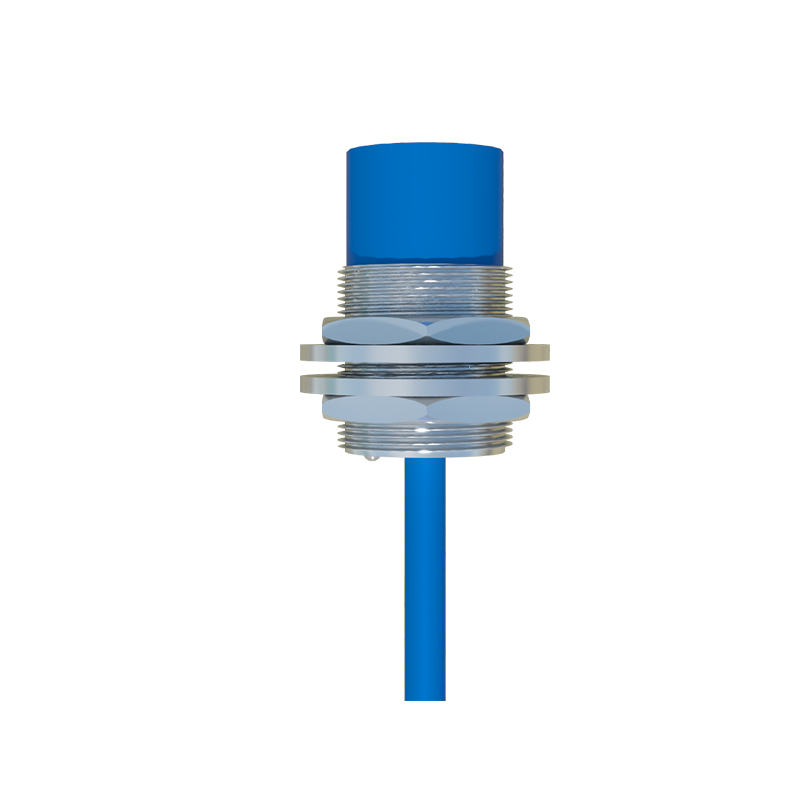
The mechanical design of the screw also demands attention. Many proximity sensors, especially cylindrical barrel types (e.g., M8, M12, M18, M30), are mounted using a nut or directly into a threaded hole. The screw or bolt must have the correct thread pitch, length, and head style. A length that is too short fails to engage enough threads for a secure hold, while one that is too long can protrude and damage internal sensor components or wiring. Hex socket head cap screws (Allen bolts) are a popular choice due to their ability to be tightened in confined spaces where a wrench might not fit. The clamping force must be sufficient but not excessive; over-torquing can crack the sensor's housing or distort its internal components, altering its sensing characteristics. Manufacturers typically provide specific torque specifications that must be adhered to.
Furthermore, the concept of "sensor alignment" is intrinsically linked to its mounting hardware. Some applications require the sensor face to be precisely parallel or at a specific distance from the target object. Adjustable mounting brackets, which themselves use locking screws, allow for fine-tuning of this position. The screws that lock the sensor into this bracket must hold that position firmly against any external force. Even a minor shift of a millimeter can be the difference between a sensor reliably detecting a part on a conveyor and failing to do so.
In summary, specifying the correct proximity sensor screw is a small but significant step in system design. It involves a conscious decision regarding locking features, material grade, dimensional accuracy, and installation torque. Overlooking this component can undermine the performance of an expensive automated system. By selecting screws engineered for the task—considering factors like vibration resistance, environmental exposure, and precise mechanical requirements—engineers and maintenance technicians ensure that these silent sentinels of automation perform their duty flawlessly. They are, in every sense, the unsung heroes that hold the line of precision in the background, enabling the seamless and reliable operation that modern industry depends on.