In the intricate world of industrial automation, where precision, safety, and efficiency are paramount, proximity sensors operate as the silent, invisible guardians. These non-contact detection devices are fundamental components in modern manufacturing, robotics, and process control systems. Their primary function is to detect the presence or absence of an object within a specified sensing range without any physical contact, triggering a corresponding electrical signal in the control system.
The operational principle of proximity sensors is based on various physical phenomena, leading to distinct types suited for different applications. Inductive proximity sensors are the workhorses for detecting metallic objects. They generate an electromagnetic field from a coil in the oscillator circuit. When a metallic target enters this field, it induces eddy currents, causing a change in the oscillation amplitude. This change is detected by the sensor's circuitry, which then switches the output state. These sensors are exceptionally robust, resistant to environmental factors like dust, oil, and moisture, making them ideal for harsh industrial environments such as metal machining, assembly lines, and automotive manufacturing.
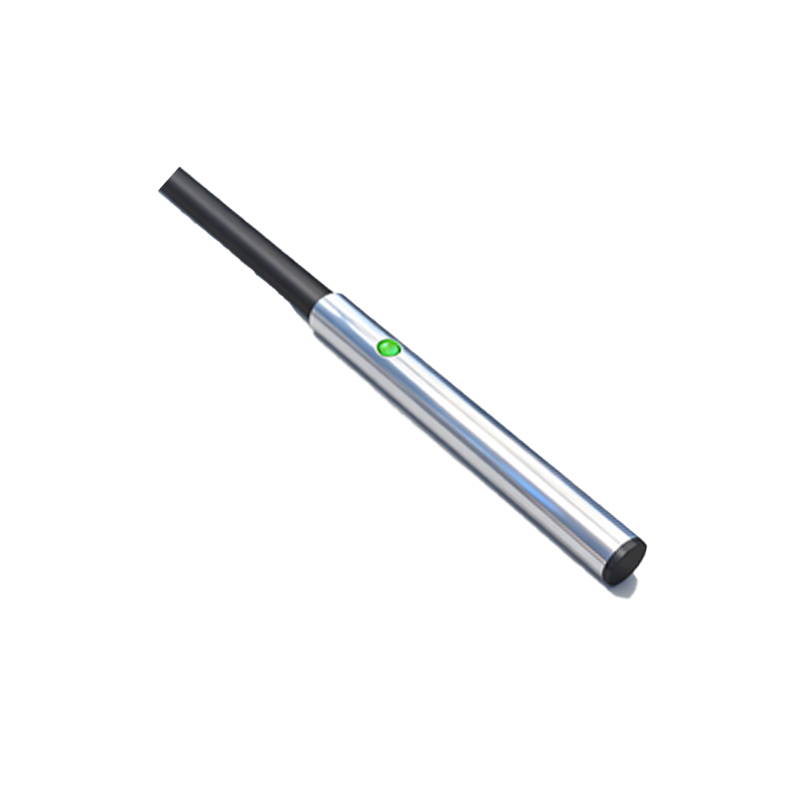
Capacitive proximity sensors, on the other hand, can detect both metallic and non-metallic materials, including liquids, powders, plastics, and wood. They function by generating an electrostatic field. Any object entering this field alters the capacitance of the sensor's circuit, which is measured and used to trigger the output. This versatility makes them perfect for applications like level detection in tanks, material handling, and packaging of non-metallic goods.
For applications requiring longer sensing distances or detection of any material regardless of color, reflectivity, or transparency, photoelectric sensors are employed. These sensors consist of a light emitter (usually LED) and a receiver. They operate in three main modes: through-beam (separate emitter and receiver), retro-reflective (with a reflector), and diffuse (reflective), where the light from the emitter is reflected off the target back to the receiver. The interruption or reflection of the light beam indicates the presence of an object. They are ubiquitous in conveyor systems, object counting, and high-speed bottling lines.
Ultrasonic proximity sensors use sound waves beyond the human hearing range. They emit high-frequency sound pulses and measure the time it takes for the echo to return after bouncing off an object. This time-of-flight principle allows them to detect objects of virtually any material and is particularly effective for distance measurement, transparent object detection, and level sensing in challenging conditions with vapor or dust.
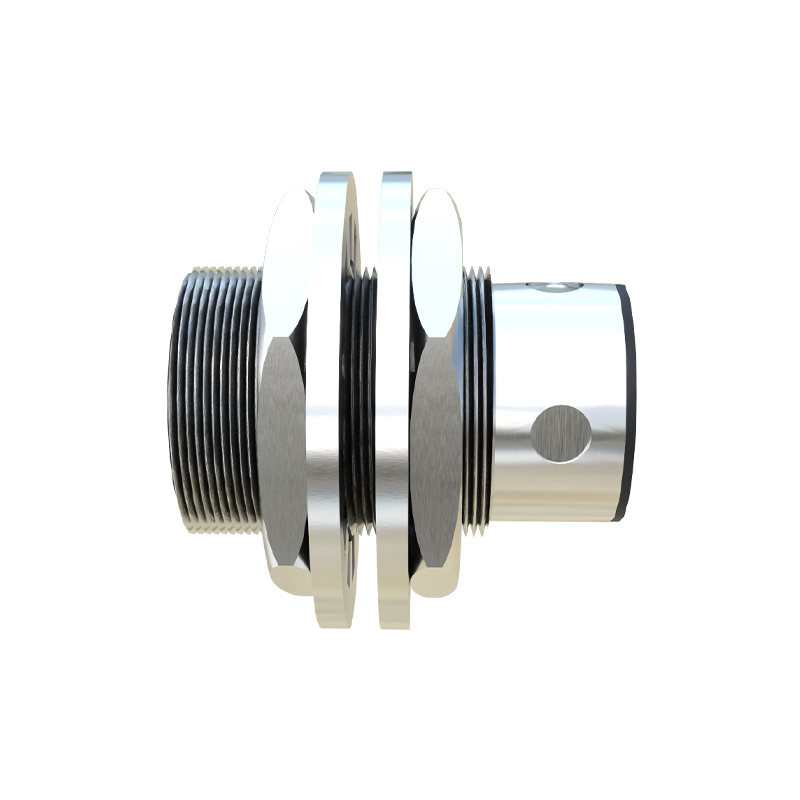
The selection criteria for a proximity sensor are critical and depend on several factors: the material of the target object (metal, plastic, liquid), the required sensing distance, the environmental conditions (temperature, presence of contaminants), the required switching frequency (response speed), and the output type needed (PNP/NPN, analog, IO-Link). Modern sensors increasingly feature smart capabilities, such as IO-Link communication, which allows for parameter setting, real-time diagnostics, and process data monitoring, enabling predictive maintenance and deeper integration into Industry 4.0 frameworks.
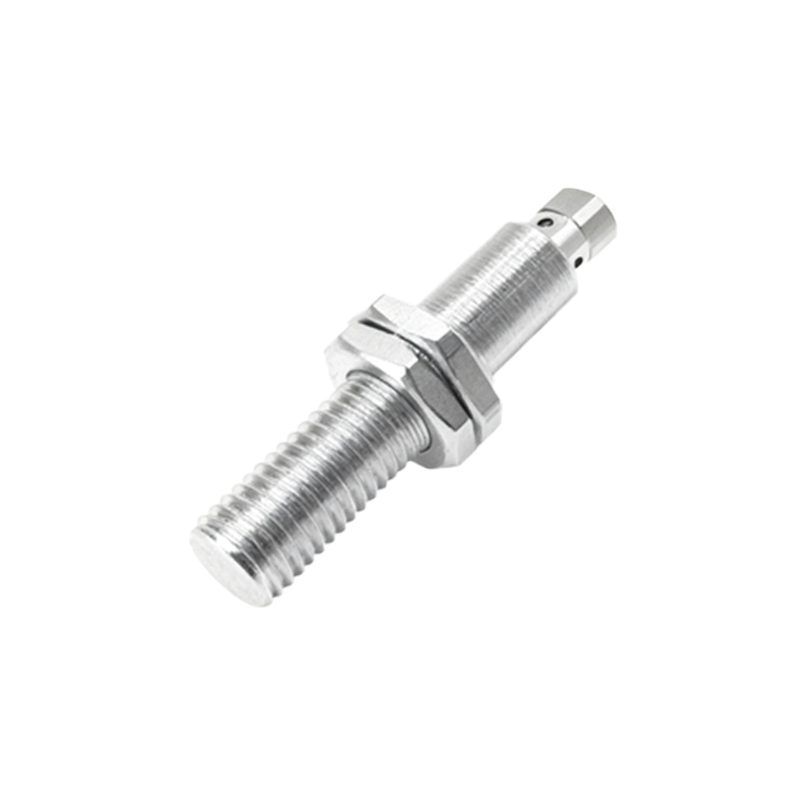
In practice, these sensors form the sensory nervous system of a factory. They ensure precise positioning of robotic arms, verify part presence in fixtures, count products on high-speed lines, monitor fill levels, and provide critical safety interlocks on machine guards. Their reliability prevents costly downtime, reduces waste, and enhances operational safety by ensuring machines only operate when conditions are correct.
From simple presence detection to complex measurement tasks, proximity sensors are indispensable. As technology advances, we see trends toward miniaturization, increased sensing ranges, enhanced resistance to extreme environments, and greater intelligence. Their evolution continues to push the boundaries of what is possible in automated systems, solidifying their role as the fundamental, unseen elements that make modern industrial automation reliable, efficient, and smart.