Square proximity sensors represent a specialized category within the broader field of non-contact detection technology. Unlike their cylindrical counterparts, these sensors feature a distinct square or rectangular housing, offering unique advantages in design integration and installation. This guide delves into the operational principles, key types, and diverse industrial applications of these versatile components.
At their core, square proximity sensors function by generating an electromagnetic field or a beam of light. When a target object enters this predefined detection zone, it causes a change in the field or interrupts the beam. The sensor's internal circuitry detects this disturbance and triggers an electrical switching signal. This entire process occurs without any physical contact, making these sensors exceptionally reliable for harsh environments where dirt, oil, or mechanical wear could compromise performance.
Several primary sensing technologies are commonly housed in square enclosures. Inductive proximity sensors are the most prevalent. They generate an oscillating electromagnetic field and detect the eddy current losses induced in metallic targets. These are ideal for detecting ferrous and non-ferrous metals in manufacturing automation, such as verifying the presence of a metal part on a conveyor or counting metallic objects. Capacitive proximity sensors, another major type, can detect both metallic and non-metallic materials—like plastics, glass, wood, and liquids—by sensing changes in capacitance. This makes them suitable for level detection in tanks or presence sensing of packaged goods.
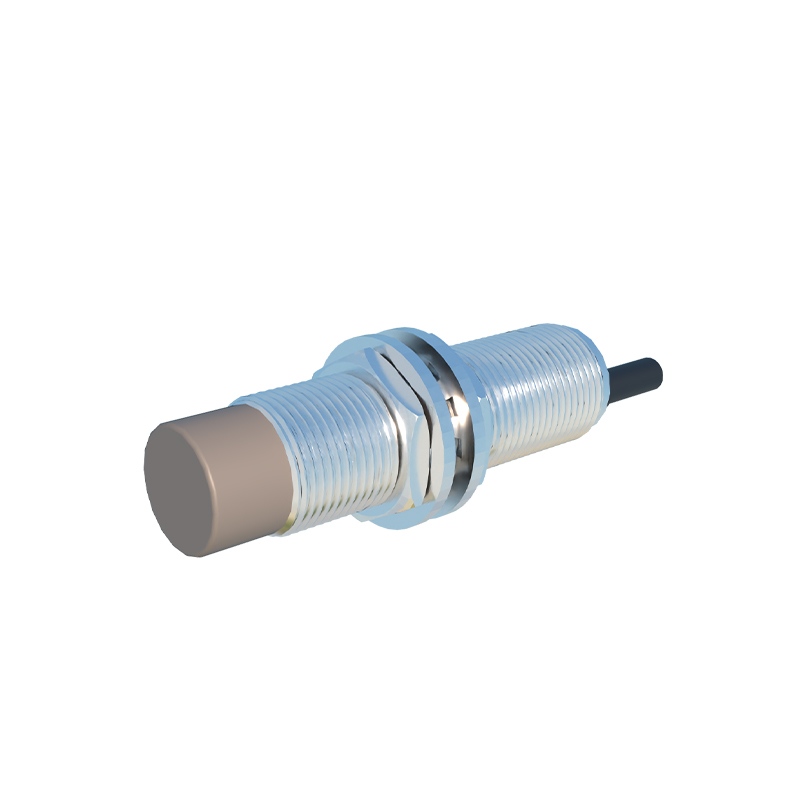
Photoelectric sensors in square housings operate on a different principle, using a light emitter and a receiver. They are excellent for long-range detection and can sense virtually any material. Common modes include through-beam (where the object breaks a beam between separate units), retro-reflective (using a reflector), and diffuse (reflective), where the sensor detects light bounced back from the target itself. Ultrasonic sensors, which use sound waves to measure distance or detect presence, are also frequently found in robust square packages for challenging environments with dust or fog.
The square form factor itself is a significant advantage. The flat surfaces allow for easy mounting on machinery frames, panels, or brackets, often enabling flush installation to save space. The design can also accommodate larger sensing faces or multiple sensing elements within a single unit. Many models feature built-in LED indicators for status and adjustable sensing ranges via potentiometers, all accessible from the front or sides of the square housing.
Applications for square proximity sensors span countless industries. In automotive assembly lines, they precisely position robotic arms and verify component installation. In packaging machinery, they ensure correct carton placement and control filling levels. Within the material handling sector, these sensors manage pallet positioning on automated guided vehicles (AGVs) and monitor conveyor belt operations. Their robustness also makes them perfect for heavy industries like steel mills and lumber processing, where they endure extreme temperatures, vibration, and particulate contamination.
Selecting the right square proximity sensor requires careful consideration of several parameters. The sensing range, defined as the maximum distance at which the sensor can reliably detect a standard target, is fundamental. The target material directly influences the choice between inductive, capacitive, or photoelectric technology. Environmental factors such as ambient temperature, potential exposure to washdowns (requiring high IP ratings like IP67 or IP69K), and the presence of electrical noise must also be evaluated. Finally, the electrical output type—typically NPN (sinking) or PNP (sourcing) transistor outputs, or sometimes analog outputs—must be compatible with the control system, such as a Programmable Logic Controller (PLC).
Installation and wiring are generally straightforward. Most square sensors feature pre-drilled mounting holes or slots for bracket attachment. Proper alignment with the target path is crucial for consistent operation. It is also essential to maintain an adequate clearance zone around the active sensing face, as specified by the manufacturer, to prevent interference from surrounding metal (for inductive sensors) or false triggers. Regular maintenance is minimal but should include periodic cleaning of the sensing face to remove debris that could attenuate the sensing field or light beam.
In summary, square proximity sensors are indispensable workhorses in modern industrial automation. Their non-contact operation ensures longevity, while their versatile square design offers practical mounting benefits. By understanding the underlying technologies—inductive, capacitive, photoelectric, and ultrasonic—engineers and technicians can effectively deploy these sensors to enhance efficiency, safety, and reliability in a vast array of automated systems, from simple presence detection to complex positioning tasks.