In the realm of industrial automation, proximity sensors stand as critical components for enabling non-contact detection, object positioning, and process control. Among these, multi-functional proximity sensors have emerged as advanced solutions, integrating diverse sensing principles and smart features to enhance operational efficiency and flexibility. This article delves into the core principles, technologies, and applications of these sophisticated devices.
At its essence, a proximity sensor detects the presence or absence of an object within a specified range without physical contact. Multi-functional variants combine several sensing methods, such as inductive, capacitive, ultrasonic, and photoelectric technologies, into a single unit. Inductive sensors, for instance, operate on the principle of electromagnetic induction. They generate an oscillating electromagnetic field; when a metallic object enters this field, it induces eddy currents, altering the oscillation amplitude and triggering a detection signal. These sensors are ideal for detecting metals in harsh environments, offering high reliability and resistance to contaminants like dust or oil.
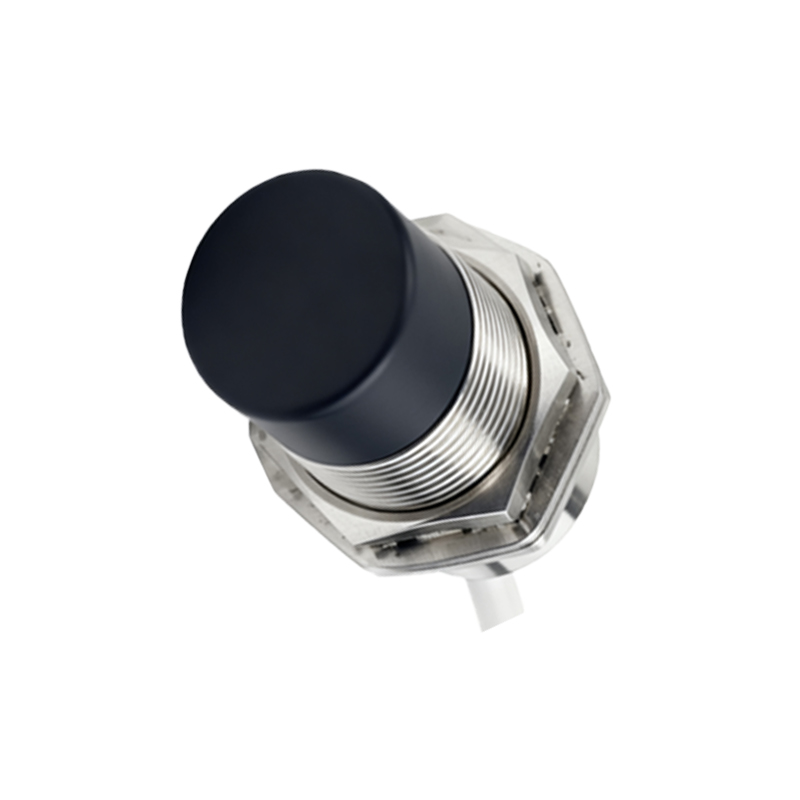
Capacitive sensors, on the other hand, function by measuring changes in capacitance. They create an electrostatic field between the sensor electrode and the ground. When any material—be it metal, plastic, liquid, or granular substances—enters this field, it alters the dielectric constant, leading to a capacitance shift that signals detection. This versatility makes capacitive sensors suitable for a wide range of materials, including non-metallic ones, often used in level sensing or packaging applications.
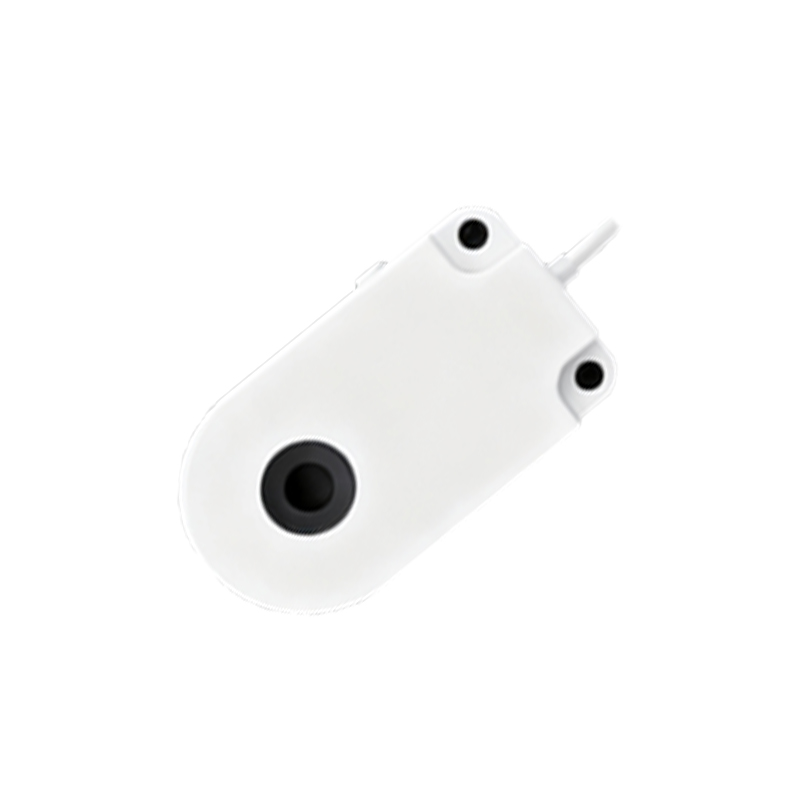
Ultrasonic sensors utilize sound waves beyond human hearing, typically at frequencies above 20 kHz. They emit ultrasonic pulses and measure the time taken for echoes to return after reflecting off an object. By calculating the time-of-flight, these sensors determine distance, presence, or even thickness. Multi-functional ultrasonic sensors can adapt to various surfaces and environmental conditions, providing accurate detection even in challenging settings like foggy or dusty areas.
Photoelectric sensors rely on light beams, usually infrared or laser, to detect objects. They consist of an emitter and a receiver. In through-beam models, the object interrupts the light beam between separate units, while in retro-reflective or diffuse versions, the sensor detects reflected light. Advanced multi-functional photoelectric sensors incorporate background suppression or color recognition, allowing precise detection regardless of object color or ambient light interference.
The integration of these technologies into multi-functional proximity sensors is driven by microprocessors and digital signal processing. Modern sensors often feature programmable logic, allowing users to switch between sensing modes via software or hardware interfaces. For example, a single sensor might be configured for inductive detection of metal parts on a conveyor belt, then reprogrammed for capacitive monitoring of liquid levels in a tank. This adaptability reduces inventory costs and simplifies system design.
Key advantages of multi-functional proximity sensors include enhanced diagnostic capabilities, such as self-monitoring for wear or contamination, and communication protocols like IO-Link, which enable real-time data exchange with control systems. These sensors can provide not just binary detection signals but also analog values, temperature readings, or diagnostic information, supporting predictive maintenance and Industry 4.0 initiatives.
In applications, multi-functional proximity sensors are deployed across diverse sectors. In automotive manufacturing, they ensure precise positioning of robotic arms and detect components on assembly lines. In food and beverage industries, they monitor fill levels without contact, maintaining hygiene standards. Logistics systems use them for package sorting and conveyor control, while in renewable energy, they assist in wind turbine blade alignment. Their robustness against environmental factors—like temperature extremes, vibration, and moisture—makes them indispensable in demanding industrial settings.
Looking ahead, trends point toward further miniaturization, increased intelligence via embedded AI, and enhanced connectivity for IoT integration. Multi-functional proximity sensors are evolving to offer even greater precision, energy efficiency, and customization, solidifying their role as pivotal elements in smart factories and automated processes. By understanding their underlying principles, engineers can leverage these devices to optimize performance, reduce downtime, and drive innovation in industrial automation.