In the realm of industrial automation, proximity sensors are indispensable components, silently performing critical detection tasks in harsh environments. Their lifespan is a paramount concern for engineers and plant managers, directly impacting system reliability, maintenance costs, and overall operational efficiency. Unlike consumer electronics, an industrial proximity sensor's longevity is not a fixed number but a complex interplay of design, application, and environmental factors.
Fundamentally, the lifespan of a proximity sensor is determined by its construction and operating principle. Inductive sensors, which detect metallic objects, have no moving parts and their primary wear component is the oscillator circuit. Their lifespan is typically measured in millions of switching cycles. Capacitive sensors, used for non-metallic materials, share a similar solid-state design. In contrast, ultrasonic sensors rely on a piezoelectric transducer, which can degrade over time with continuous vibration and thermal stress. Photoelectric sensors involve an LED light source, which has a finite operational hour rating before its output intensity diminishes beyond usable limits. Understanding this inherent technological limit is the first step in lifecycle management.
However, the theoretical lifespan is often overshadowed by application conditions. The single greatest factor is the operating environment. Excessive ambient temperature is a primary killer; it can accelerate the aging of electronic components, plastic housings, and seals. Conversely, extremely low temperatures can make materials brittle. The ingress of contaminants like dust, metal shavings, cutting fluids, and corrosive chemicals can coat the sensing face, physically damage the housing, or cause short circuits. High-pressure washdowns, common in food and pharmaceutical industries, test the sensor's ingress protection (IP) rating to its limits. Vibration and mechanical shock can loosen internal connections, crack circuit boards, or misalign optical elements.
Electrical factors are equally critical. Voltage spikes and transients on the supply line, often from nearby large motors or welding equipment, can cause instantaneous failure or gradual degradation of internal circuitry. Ensuring a stable, clean power supply with proper surge protection is non-negotiable. Load conditions also matter; frequently switching inductive loads (like solenoids or relays) near their current limit can strain the sensor's output stage. Using protective circuits such as snubbers or relays for heavy loads can significantly extend the output component's life.
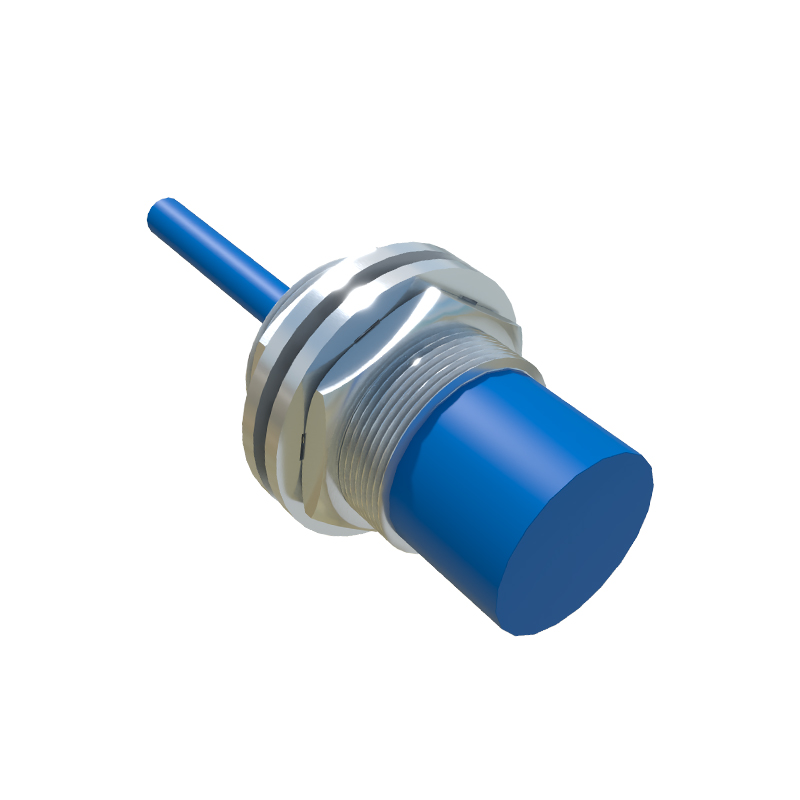
Installation and usage practices profoundly influence longevity. Proper mounting, respecting the specified sensing distance and avoiding metal-to-metal contact for inductive sensors, prevents physical damage. For photoelectric sensors, ensuring a clean lens and stable alignment avoids the need for excessive gain, which strains the emitter. A common mistake is operating the sensor continuously in a "switched" state, which generates internal heat. Allowing a normal on/off cycle is often less stressful. Furthermore, selecting the right sensor for the job—considering factors like required sensing distance, target material, response time, and housing material (e.g., stainless steel for corrosive areas)—is a proactive lifespan decision.
To maximize proximity sensor lifespan, a systematic approach is required. Begin with meticulous selection based on a full assessment of the environmental, mechanical, and electrical requirements, always choosing a sensor with ratings exceeding the expected maximums. Implement robust installation practices: use correct mounting hardware, ensure proper sealing in washdown areas, and employ cable glands and strain relief to protect connections. Electrically, integrate line filters, surge protectors, and ensure correct wiring following manufacturer guidelines.
Predictive maintenance, enabled by modern Industrial IoT (IIoT) systems, is transforming lifespan management. Sensors with diagnostic capabilities can report parameters like operating temperature, vibration levels, or LED output strength. Trend analysis of this data can predict failures before they occur, allowing for planned maintenance during downtime. Even without smart sensors, a regular preventive maintenance schedule—including visual inspection for damage, cleaning of sensing faces, and checking of electrical connections—is invaluable.
Ultimately, the quest for extended proximity sensor lifespan is a balance between upfront investment and total cost of ownership. A higher-quality sensor with superior sealing, robust components, and advanced diagnostics may have a higher initial price but can deliver far greater longevity and reliability, reducing unplanned downtime and replacement labor. By understanding the factors at play—from core technology and environmental assaults to electrical hygiene and smart maintenance—engineers can make informed decisions that ensure these vital components operate reliably for years, safeguarding productivity in the automated industrial landscape.