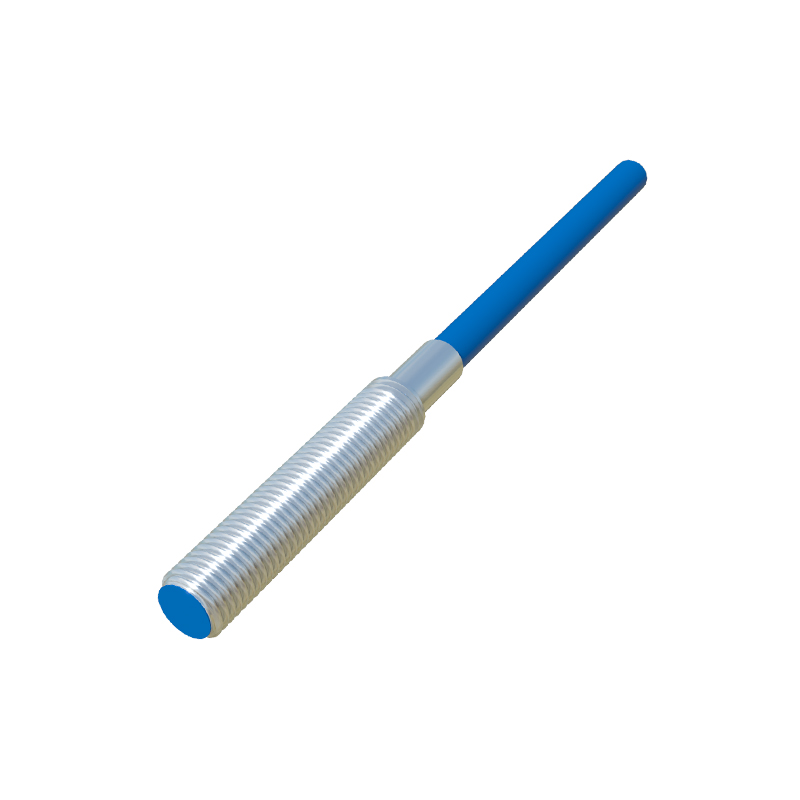
In the realm of industrial automation and control systems, the reliable detection of objects is paramount. Among the various sensing technologies available, the 36V AC proximity sensor stands out as a robust and widely adopted solution for demanding environments. This article delves into the operational principles, key characteristics, application considerations, and advantages of these essential components.
Fundamentally, a 36V AC proximity sensor is a non-contact electronic device designed to detect the presence or absence of metallic objects without any physical contact. It operates on a 36 Volt Alternating Current power supply, a voltage level commonly chosen for its balance between safety and performance in industrial settings. The core technology is based on electromagnetic induction. The sensor contains an oscillator circuit that generates a high-frequency electromagnetic field emanating from its active face. When a conductive (typically metallic) target enters this field, eddy currents are induced on the target's surface. This causes a change in the oscillation amplitude within the sensor, which is then detected by a threshold circuit. This change triggers a switching action in the sensor's output stage.
The output from a standard 36V AC proximity sensor is typically a solid-state switch, often in the form of a triac or a similar AC switching component. This allows it to directly interface with and control AC loads such as relays, contactor coils, solenoid valves, or indicator lamps. The sensor itself is usually a two-wire device, simplifying installation as it connects in series with the load and the AC power line, much like a conventional switch. This two-wire design reduces wiring complexity and cost.
Key specifications define the performance of these sensors. The sensing range, usually specified in millimeters, indicates the maximum distance at which a standard target can be reliably detected. It is crucial to note that the sensing range can be affected by the target material's properties; ferrous metals like steel are typically detected at a greater range than non-ferrous metals like aluminum or copper. Another critical parameter is the switching frequency, which denotes how many on/off cycles the sensor can perform per second. This determines its suitability for high-speed applications. Furthermore, built-in protection features such as short-circuit protection, overload protection, and surge suppression are vital for ensuring longevity in electrically noisy industrial environments where voltage spikes and transients are common.
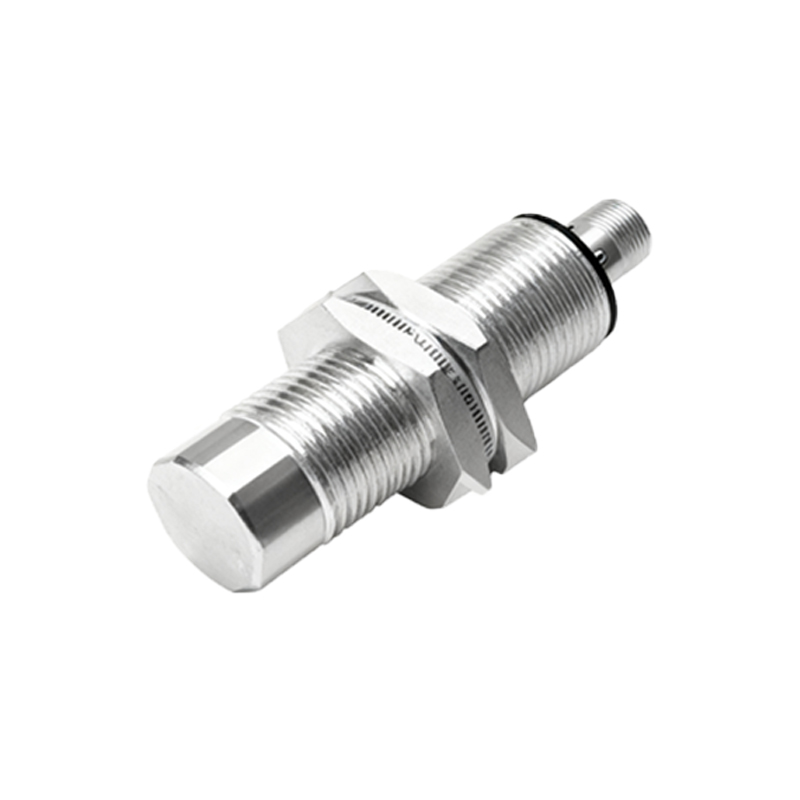
The choice of a 36V AC supply offers distinct benefits. Compared to lower voltage DC sensors, the 36V AC system provides a higher signal-to-noise ratio, enhancing immunity to electromagnetic interference (EMI). This makes it exceptionally reliable in areas with heavy machinery, large motors, or welding equipment. From a safety perspective, 36V AC is generally considered a "Safety Extra-Low Voltage" (SELV) in many jurisdictions, reducing the risk of severe electrical shock during installation or maintenance, while still delivering sufficient power for direct load switching. Its compatibility with existing industrial control circuits that use AC control voltages is a significant advantage, facilitating easy integration without the need for additional DC power supplies.
Application areas for 36V AC proximity sensors are extensive. They are commonly found on machine tools for tool positioning and part presence verification, in material handling systems for counting and sorting, on packaging machinery for detecting product placement, and in automotive assembly lines for robotic guidance and safety interlocks. Their robust construction, often featuring nickel-plated brass or stainless-steel housings with IP67 or higher ingress protection ratings, makes them resistant to dust, coolants, oils, and washdowns.
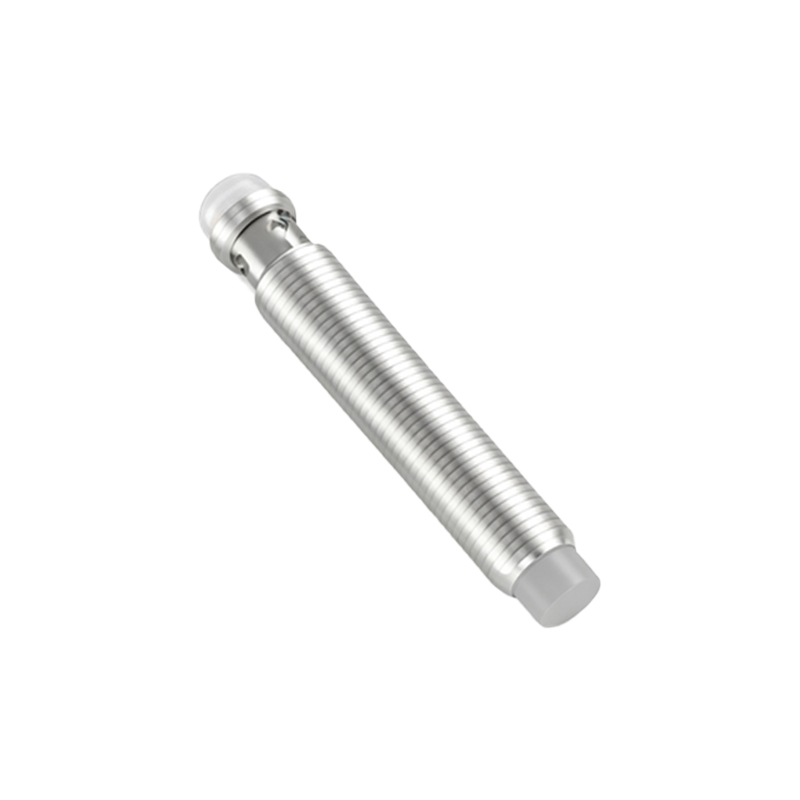
When selecting and installing a 36V AC proximity sensor, several practical considerations must be addressed. Ensuring the correct voltage supply is fundamental. Mounting is also critical; sensors should be positioned to avoid physical damage from the target and to account for factors like target approach direction, which can affect the effective sensing range. It is also important to maintain adequate clearance between adjacent sensors to prevent mutual interference of their electromagnetic fields. For sensing non-ferrous metals, sensors specifically designed or adjusted for this purpose should be selected, as standard models may have a significantly reduced range.
In conclusion, the 36V AC proximity sensor remains a cornerstone of industrial sensing due to its simplicity, durability, and direct compatibility with AC control systems. Its design elegantly balances operational reliability, safety, and ease of use. For engineers and technicians designing or maintaining automated systems, a thorough understanding of its operating principles and application nuances is key to implementing robust, efficient, and fail-safe detection solutions that keep production lines running smoothly and safely.