In the realm of industrial automation and control systems, proximity sensors stand as fundamental components for non-contact object detection. Among the various types, the 3-wire NPN proximity sensor is a prevalent and critical choice. This article delves into the operational principles, wiring configurations, practical applications, and key considerations for this ubiquitous sensor type, providing a thorough technical overview for engineers and technicians.
At its core, a proximity sensor detects the presence or absence of a metallic (or sometimes non-metallic) target without physical contact. The "NPN" designation refers to the type of output transistor used within the sensor's switching circuit. An NPN transistor functions as a switching device that, when activated, connects the load to the common or negative voltage line. In a typical 3-wire DC sensor, the three wires are designated as Brown (positive supply, +V), Blue (common or 0V), and Black (output signal).
The operating principle of an inductive NPN proximity sensor, the most common variant for metal detection, involves an oscillator circuit that generates a high-frequency electromagnetic field at the sensing face. When a metallic target enters this field, eddy currents are induced in the target, causing a dampening or loading of the oscillator. This change is detected by the sensor's circuitry, which then triggers the state change of the NPN output transistor.
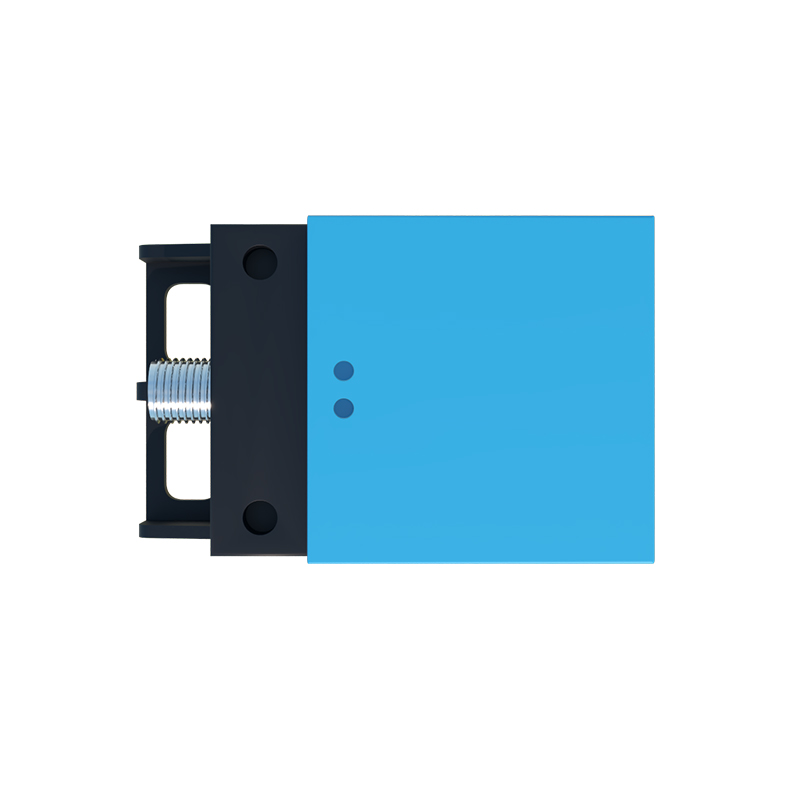
Wiring a 3-wire NPN sensor correctly is paramount for system functionality and safety. The standard color code (Brown, Blue, Black) is widely adopted, though variations exist, and consulting the datasheet is always recommended. The Brown wire connects to the positive terminal of the DC power supply (typically 10-30V DC). The Blue wire connects to the negative terminal or 0V (common) of the same supply. The Black wire is the switched output. In an NPN configuration, this output acts as a "sinking" switch. When the sensor is inactive (no target detected), the output transistor is off, and the Black wire is effectively disconnected internally. Upon target detection, the NPN transistor turns on, connecting the Black wire internally to the Blue wire (0V). This means that to complete a circuit, the load (e.g., a PLC input, relay coil, or indicator lamp) must be connected between the positive supply (+V) and the Black output wire. When the sensor activates, it "sinks" the current from the load to ground, completing the circuit and energizing the load.
This "NPN-sinking" logic is a crucial differentiator from its counterpart, the PNP sensor, which "sources" current. The choice between NPN and PNP often depends on regional conventions and the specific requirements of the control system's input card. Many modern Programmable Logic Controller (PLC) input modules are designed to accept both types.
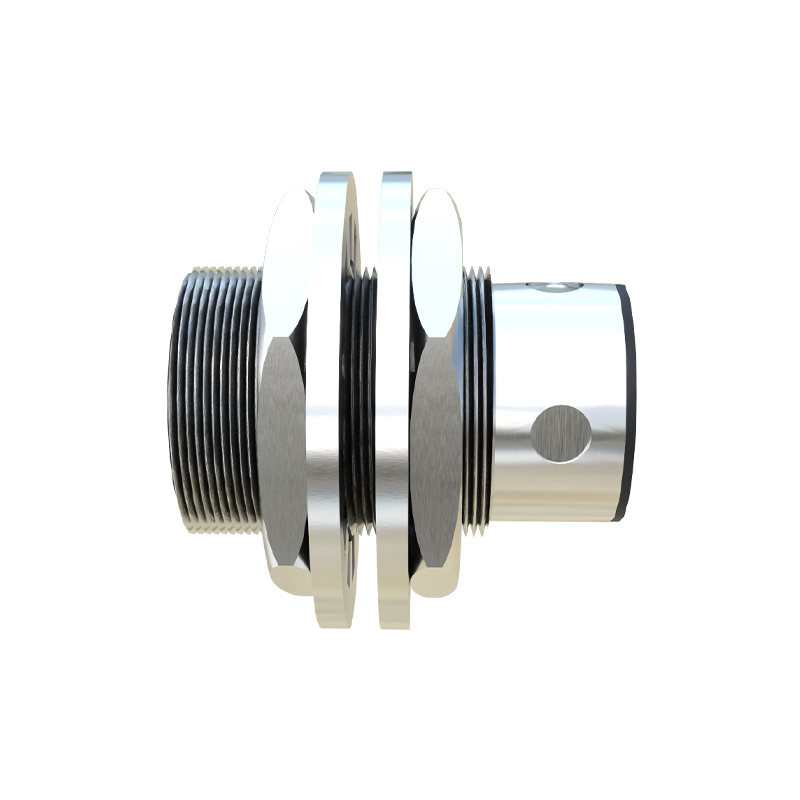
The applications for NPN 3-wire proximity sensors are vast across manufacturing, packaging, material handling, and automotive industries. Common uses include: position verification of machine parts, counting objects on a conveyor, detecting the end of travel for a cylinder, monitoring bin levels, and ensuring safety interlock positions. Their robust, solid-state design—lacking mechanical contacts—makes them highly reliable, resistant to wear, and capable of high-speed switching operations exceeding millions of cycles.
When selecting and implementing an NPN 3-wire sensor, several technical factors must be evaluated. The sensing distance, or "rated operating distance," is specified by the manufacturer and should be derated for different target materials and shapes. Factors like housing material (e.g., metal vs. plastic), environmental protection rating (IP67/IP69K for washdown areas), temperature range, and output current capacity are critical for long-term reliability. Furthermore, electrical considerations such as short-circuit protection, reverse polarity protection, and off-state leakage current can impact system design. It is also essential to ensure proper shielding and cable routing in electrically noisy environments to prevent false triggering.
In summary, the 3-wire NPN proximity sensor is a versatile and reliable workhorse in industrial automation. Its sinking output configuration provides a standard method for interfacing with a wide array of control devices. A clear understanding of its wiring, the distinction from PNP sensors, and its operational characteristics enables engineers to design robust, efficient, and fault-resistant control systems. Always refer to the manufacturer's technical documentation for precise specifications, wiring diagrams, and installation guidelines to ensure optimal performance and safety in any given application.