In the rapidly evolving landscape of industrial automation, proximity sensors are indispensable components, enabling non-contact detection of objects and serving as the foundational eyes of countless machines and systems. The companies that design, manufacture, and supply these critical devices are as diverse as the technologies they employ. Understanding the different types of proximity sensor companies is essential for engineers, system integrators, and procurement specialists seeking reliable and innovative solutions. Broadly, these companies can be categorized based on their technological focus, market positioning, and business model.
The first and most prominent category comprises the global industrial automation giants. Companies like Siemens, Rockwell Automation, Omron, and Schneider Electric fall into this group. These corporations offer comprehensive portfolios that include not just a wide array of proximity sensors (inductive, capacitive, ultrasonic, and photoelectric), but also PLCs, HMIs, drives, and entire control systems. Their strength lies in providing integrated, interoperable solutions. For an end-user building a new production line, sourcing sensors from the same ecosystem as the controller can simplify design, programming, and maintenance. These companies invest heavily in R&D, pushing the boundaries of sensor performance, such as increasing sensing distances, improving immunity to environmental interference, and enabling advanced diagnostics via IO-Link. Their global sales and support networks are a key advantage for multinational operations, though their products often command a premium price.
Opposing these titans are the specialized sensor manufacturers. These companies, such as Pepperl+Fuchs, Sick, Balluff, and ifm electronic, have built their reputations almost exclusively on sensor technology. While some have expanded into related areas, their core identity and deepest expertise reside in sensing. A company like Pepperl+Fuchs is renowned for its innovation in intrinsic safety for hazardous areas, while Sick is a leader in advanced photoelectric and laser-based sensors. These specialists often pioneer new form factors, housing materials (like V4A stainless steel for harsh washdown environments), and specialized functionalities. They cater to engineers who require the absolute best performance for a specific, demanding application, whether it's detecting tiny components on a high-speed assembly line or withstanding extreme temperatures and pressures. Their product catalogs are deep, offering hundreds of variants to meet precise technical requirements.
A significant and growing segment is occupied by component suppliers and value-added distributors. Companies like Carlo Gavazzi, Turck, and Festo, along with major electronics distributors (e.g., Digi-Key, Mouser), operate in this space. They often manufacture reliable, cost-effective standard sensors while also distributing products from other specialized brands. Their value proposition is flexibility, fast availability, and competitive pricing for high-volume, standard applications. They excel at providing the "workhorse" sensors that form the backbone of many machines. Furthermore, many of these companies offer extensive value-added services, such as custom cable assembly, connectorization, and branding, which can significantly reduce installation time and cost for OEMs (Original Equipment Manufacturers).
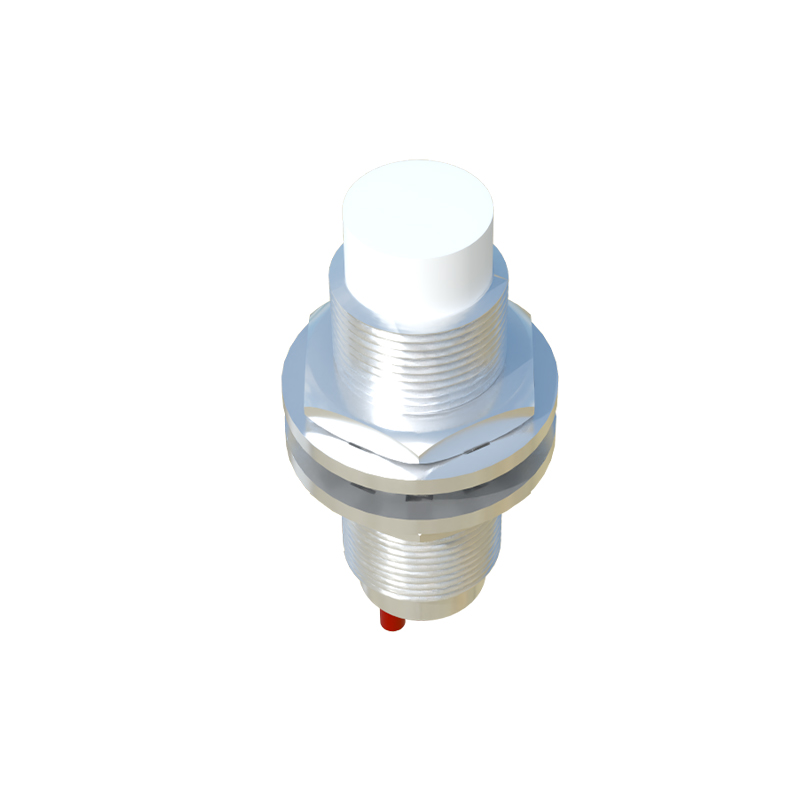
The rise of the fourth category is driven by digitalization and the Industrial Internet of Things (IIoT): the smart and connected sensor providers. While traditional companies are adding connectivity, newer entrants and forward-thinking established players are designing sensors with data intelligence as a core feature. These devices go beyond simple switching; they provide detailed process data (e.g., exact distance, temperature, vibration), health status, and predictive maintenance alerts. This category heavily leverages IO-Link, a point-to-point serial communication protocol that turns a standard sensor into a smart device. Companies like Banner Engineering and some offerings from Balluff and ifm are at the forefront. They cater to clients building data-driven, transparent factories where sensor data feeds into higher-level SCADA and MES systems for analytics and optimization.
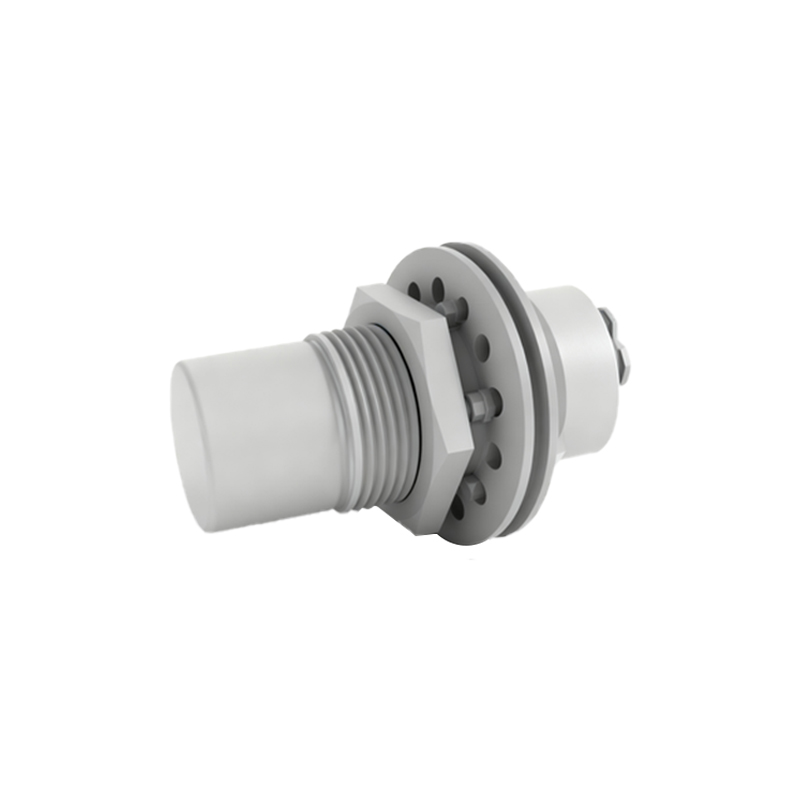
Finally, there is the vast landscape of low-cost manufacturers, often based in Asia. These companies produce generic, functionally equivalent sensors that are reverse-engineered from popular models. They compete almost solely on price, supplying the highly cost-sensitive market segments. While quality and consistency can be variable, some have improved significantly and offer decent reliability for non-critical applications. For projects with extremely tight budgets or disposable equipment, these suppliers present an option, though they often lack robust technical support, long-term availability guarantees, and sophisticated product documentation.
Choosing the right type of supplier depends on a careful analysis of the project's needs. Critical factors include the application's technical demands (precision, speed, environment), required level of integration with other controls, total cost of ownership (not just unit price), need for technical support and customization, and the strategic importance of data collection. A global automaker will likely partner with a giant or a specialist for its main assembly lines, while a small machine builder might opt for a versatile distributor for its modular designs. The dynamic proximity sensor market ensures that for every challenge in modern automation, there is a company with the right blend of technology, service, and business