In the realm of industrial automation and machine safety, proximity sensors are indispensable workhorses. Their ability to detect the presence or absence of an object without physical contact underpins countless applications, from assembly line sequencing to position verification. While much attention is rightly paid to sensor housing, electronics, and output types, the selection of the switch core—the magnetic or ferromagnetic component at the heart of inductive and magnetic proximity sensors—is a critical, yet often overlooked, engineering decision. This choice directly impacts sensor performance, reliability, and longevity in specific operating environments.
The core's primary function is to concentrate and direct the magnetic field generated by the sensor's internal oscillator (for inductive types) or permanent magnet (for magnetic types). For inductive proximity sensors, which detect metallic objects, the core focuses the electromagnetic field emanating from the coil, defining the sensing range and shape of the active area. In magnetic sensors (e.g., reed switches or Hall effect sensors with biasing magnets), the core material shapes the field of the permanent magnet, influencing switch points and resistance to external magnetic interference.
Core materials fall into several key categories, each with distinct properties. Soft magnetic materials, such as various grades of ferrite and powdered iron, are most common. Ferrite cores, typically composed of iron oxide mixed with other metals like manganese or zinc, offer high resistivity, which minimizes eddy current losses at the high frequencies used in modern inductive sensors. This makes them excellent for achieving stable, consistent sensing distances and good temperature stability. Their brittleness, however, can be a drawback in applications subject to mechanical shock or vibration.
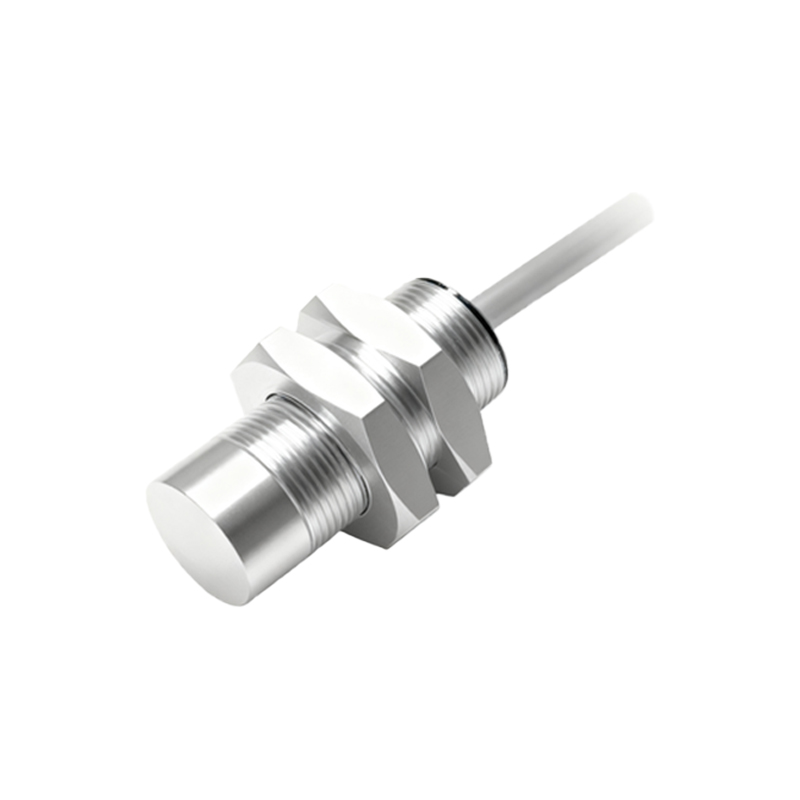
Powdered iron cores, made from insulated iron particles compressed into shape, provide high saturation flux density. This means they can handle stronger magnetic fields without losing their magnetic properties, a valuable trait in sensors designed for very short ranges or those needing to resist partial saturation from large or highly conductive target metals. They generally exhibit higher core loss than ferrite but offer superior mechanical robustness.
For extreme environments, especially those involving high temperatures or corrosive agents, specialty alloys like Sendust (an iron-silicon-aluminum alloy) or molypermalloy powder (MPP) cores are employed. These materials maintain stable magnetic permeability over a wider temperature range and offer good corrosion resistance, though at a higher cost. The selection process must balance magnetic performance, physical durability, and cost.
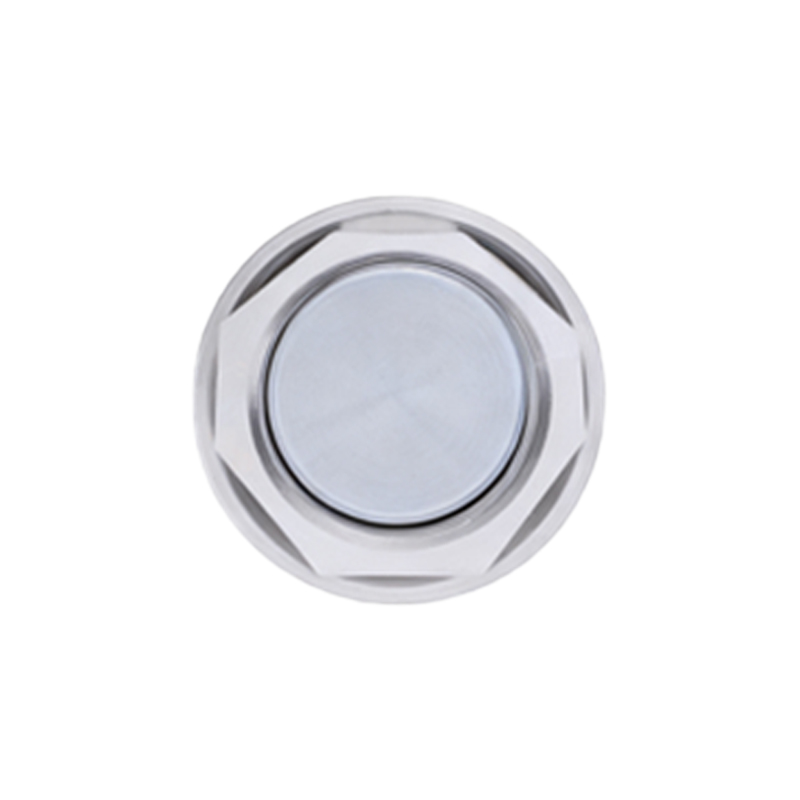
Key selection criteria extend beyond material composition. Operating frequency is paramount. Inductive sensors operate at specific frequencies (often ranging from tens of kHz to several MHz). A core material's effective permeability and core loss are frequency-dependent. Selecting a core optimized for the sensor's operating frequency ensures maximum efficiency and range. Temperature stability is another crucial factor. The magnetic permeability of all core materials changes with temperature. For applications with wide ambient temperature swings, choosing a core with a flat permeability vs. temperature curve (like certain ferrites or Sendust) prevents significant drift in the sensing distance.
Environmental resistance cannot be ignored. In washdown environments (food & beverage, pharmaceuticals) or outdoor applications, cores must be protected from corrosion. While sensor housings provide the first line of defense, selecting a core material with inherent corrosion resistance or ensuring it is perfectly encapsulated is vital. Mechanical stress from vibration or potential impact may steer the choice toward tougher powdered iron cores over more fragile ferrites.
Finally, the target material itself influences core design. While inductive sensors primarily react to the eddy currents induced in conductive targets, the target's material (steel, aluminum, copper) and size affect the magnetic circuit's behavior. In some specialized sensors, the core geometry is subtly tailored to optimize performance for a specific target type, providing more stable detection or ignoring certain non-target metals.
In practice, sensor manufacturers perform extensive characterization to match core materials to product families. As an engineer specifying or integrating these sensors, understanding these principles allows for more informed decisions. When evaluating a sensor for a demanding application, inquire about the core technology. Consider the full operational envelope—frequency of operation, temperature range, presence of corrosive agents, and mechanical demands. A sensor with a well-chosen, application-optimized switch core will deliver consistent, reliable performance, reducing downtime and maintenance costs. It is this attention to the fundamental components like the core that separates a robust, industrial-grade sensor from a merely functional one.