The TL-Q5MB1-Z proximity sensor represents a significant advancement in industrial automation, offering reliable non-contact detection for a wide range of applications. As a key component in modern manufacturing and processing systems, this sensor exemplifies the integration of precision engineering and robust design to meet the demanding requirements of industrial environments.
Proximity sensors, such as the TL-Q5MB1-Z, operate on the principle of electromagnetic field generation and detection. When a metallic object enters the sensor's detection range, it disrupts the oscillating electromagnetic field, triggering a change in the sensor's output state. This non-contact method eliminates mechanical wear, ensuring long-term reliability and reducing maintenance needs. The TL-Q5MB1-Z is specifically designed for detecting ferrous and non-ferrous metals, with a sensing distance optimized for precise positioning tasks.
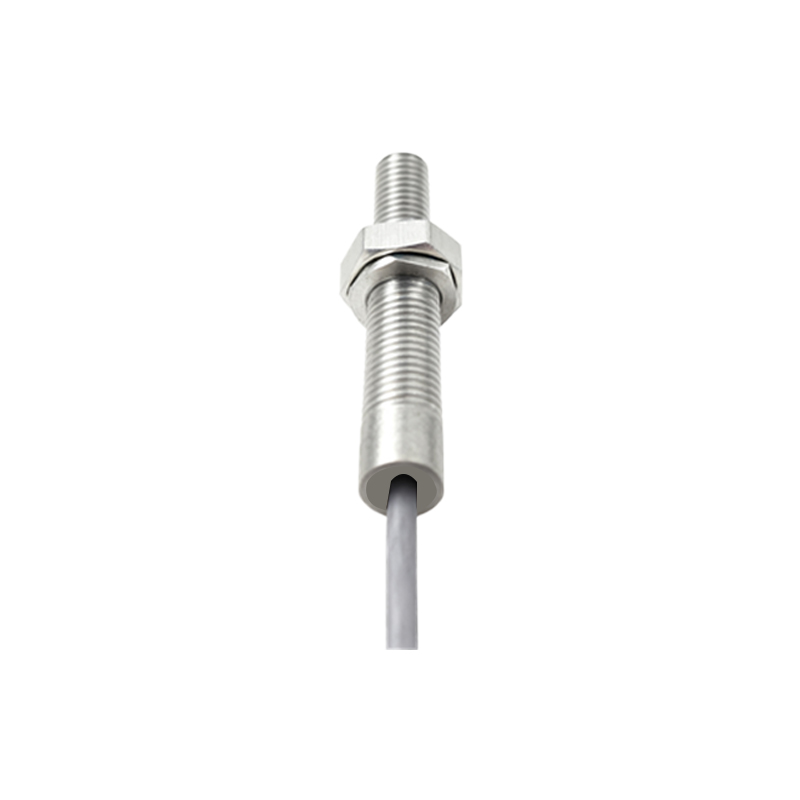
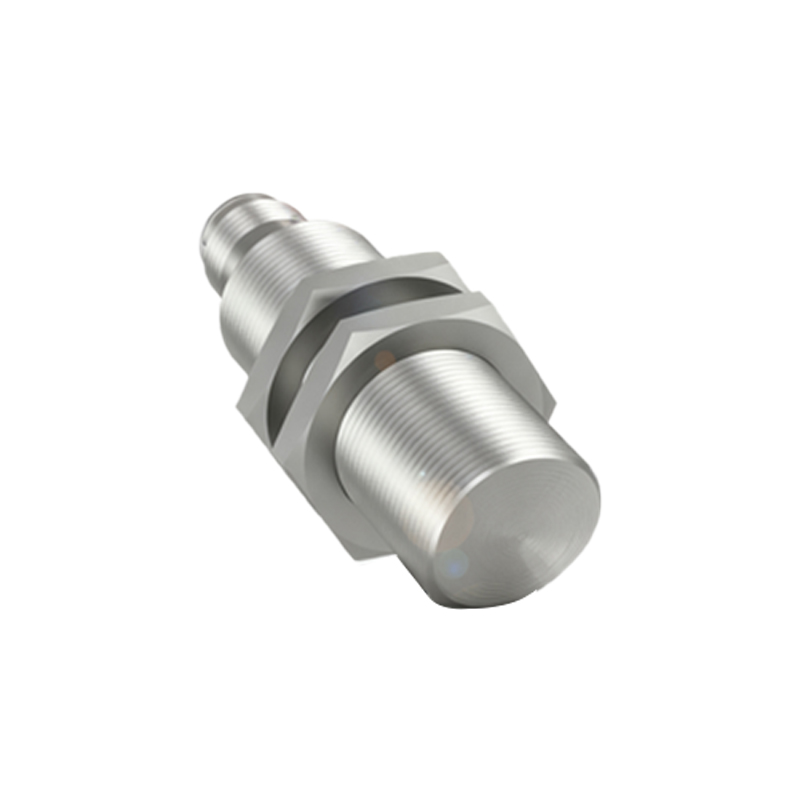
One of the standout features of the TL-Q5MB1-Z is its compact cylindrical housing, typically constructed from nickel-plated brass or stainless steel, providing excellent resistance to industrial contaminants like oil, coolant, and dust. The sensor incorporates a built-in LED indicator that displays operational status, facilitating quick installation and troubleshooting. With a standard M8 or M12 connector, it integrates seamlessly into existing control systems, supporting both PNP (sourcing) and NPN (sinking) output configurations to match various PLC (Programmable Logic Controller) inputs.
The technical specifications of the TL-Q5MB1-Z include a nominal sensing range, which varies based on the target material—typically up to 5 mm for steel. It operates within a wide voltage range, commonly 10-30 V DC, making it compatible with most industrial power supplies. The sensor's switching frequency allows for high-speed detection, essential for applications such as conveyor belt monitoring, robotic arm positioning, and assembly line automation. Additionally, it features short-circuit and reverse polarity protection, enhancing system safety and durability.
In practical applications, the TL-Q5MB1-Z proves invaluable across multiple industries. In automotive manufacturing, it ensures precise part placement and verifies the presence of components during assembly. In packaging machinery, it detects metal lids or caps, triggering sealing operations. The food and beverage industry utilizes it for level sensing in metal containers, while in material handling, it monitors the position of pallets and guides automated vehicles. Its immunity to environmental factors like vibration and temperature fluctuations ensures consistent performance in harsh conditions.
Installation and alignment are critical for optimal sensor performance. The TL-Q5MB1-Z should be mounted securely, with the sensing face parallel to the target surface to avoid false triggers. Proper shielding from adjacent metal objects and electrical noise sources is recommended to maintain accuracy. Regular calibration checks, though minimal due to the sensor's stability, help sustain long-term reliability.
Compared to mechanical limit switches, the TL-Q5MB1-Z offers superior longevity and faster response times, contributing to increased production efficiency and reduced downtime. Its digital output interfaces easily with modern industrial networks, supporting Industry 4.0 initiatives for smart factory integration. When selecting a proximity sensor, engineers should consider factors such as target material, required sensing distance, environmental conditions, and output compatibility—all areas where the TL-Q5MB1-Z excels.
Future trends in proximity sensing include enhanced connectivity features, such as IO-Link communication, which enables real-time diagnostics and parameter adjustments. The TL-Q5MB1-Z platform is well-positioned to adapt to these advancements, maintaining its relevance in evolving industrial landscapes. By combining durability, precision, and ease of integration, this sensor continues to be a trusted solution for automation challenges worldwide.
In summary, the TL-Q5MB1-Z proximity sensor is a versatile and reliable tool for industrial automation, delivering accurate non-contact detection in demanding applications. Its robust design, coupled with advanced functionality, supports operational efficiency and safety across diverse sectors, making it a cornerstone of modern manufacturing systems.