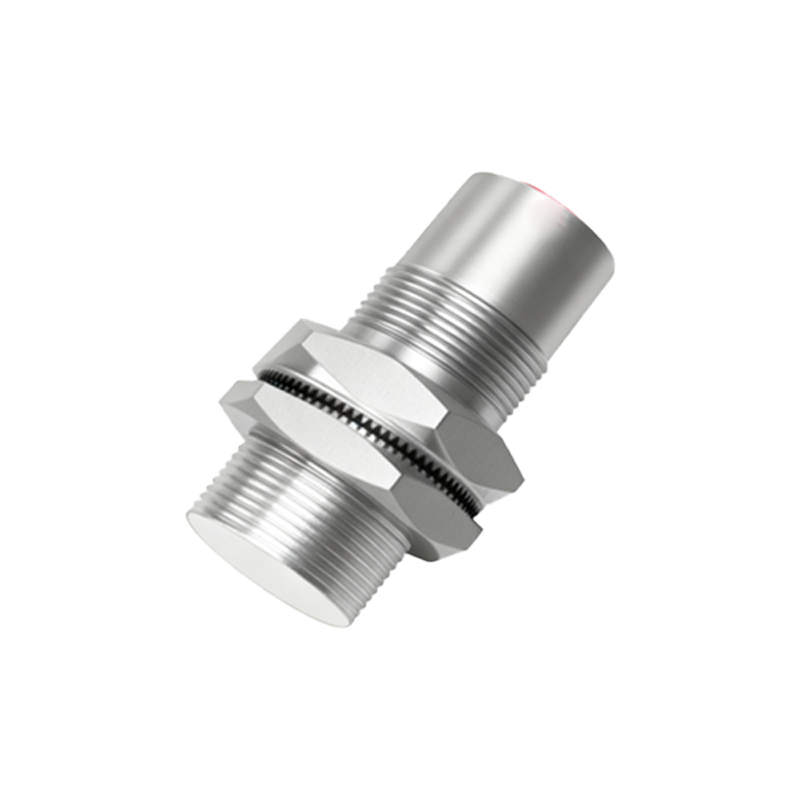
In the realm of industrial automation and machinery, the ability to detect the presence or absence of an object without physical contact is paramount. Among the various technologies enabling this, split proximity sensors stand out for their unique design and versatility. Unlike their unitary counterparts, these sensors feature a distinct separation between the sensing element and the control electronics or amplifier unit. This fundamental architectural difference unlocks a range of practical benefits and application-specific solutions.
The core principle of operation for a split proximity sensor remains aligned with standard inductive, capacitive, or photoelectric sensing. Inductive sensors, for instance, generate an electromagnetic field and detect changes caused by metallic targets. Capacitive sensors respond to changes in capacitance caused by both metallic and non-metallic materials. Photoelectric sensors use light beams. The key innovation lies in the physical separation. The compact sensing head, containing the coil, oscillator, and signal conditioning circuitry for the core detection function, is installed directly at the point of measurement. This head is connected via a cable to a separate, often larger, amplifier or controller unit that houses the power supply, output switching circuitry, and adjustment potentiometers for sensitivity, hysteresis, or time delays.
This separation offers significant advantages. First, it allows for installation in extremely confined or harsh environments. The sensing head can be very small and robust, designed to withstand high temperatures, intense pressure, chemical exposure, or heavy vibration that would damage a standard monolithic sensor. The amplifier unit can be mounted in a more accessible, protected location for easier setup, monitoring, and maintenance. This is particularly valuable in applications like plastic injection molding machines, where the sensor head near the mold faces high heat, while the electronics need to remain cool. Second, it enhances flexibility. A single amplifier unit can sometimes support multiple sensing heads, reducing cost and complexity in multi-point detection systems. The cable length between head and amplifier provides flexibility in machine layout, allowing optimal placement of each component.
Several primary types of split proximity sensors cater to different needs. The two-wire AC/DC type integrates simply into existing circuits but may have limitations on load current and leakage current. The three-wire DC type (NPN or PNP output) is the most common, offering robust performance with separate power, ground, and signal wires. For environments with severe electrical noise, sensors with analog current (4-20mA) or voltage (0-10V) outputs provide high noise immunity and allow for precise distance measurement proportional to the output signal. Specialized versions include high-temperature models with sensing heads rated for continuous operation above 150°C, and even ultra-high-temperature variants for foundry applications.
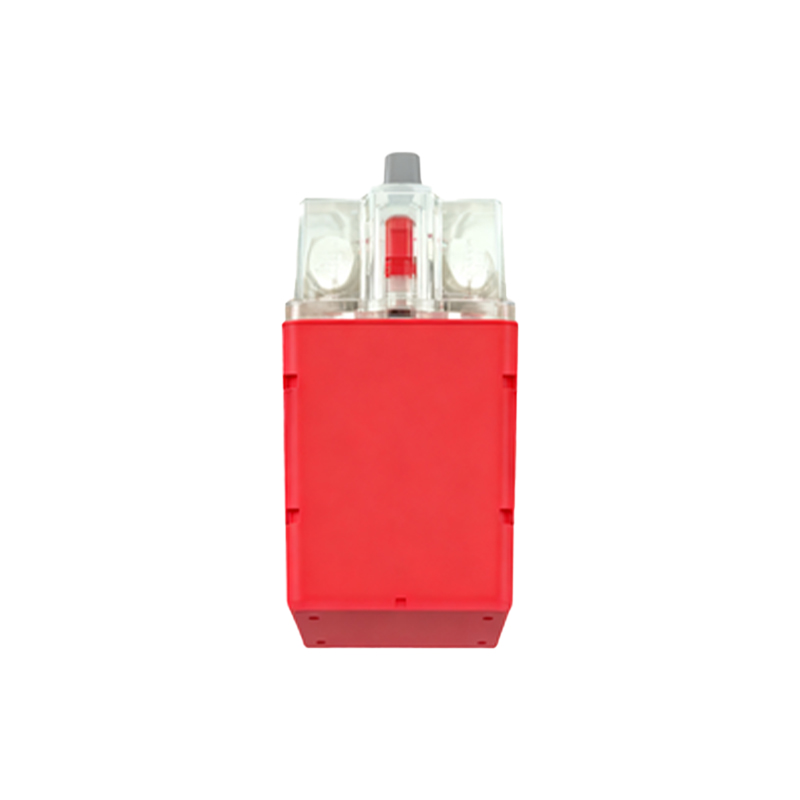
The applications for split proximity sensors are diverse across industries. In automotive manufacturing, they monitor robotic weld gun positions and detect metal components on high-speed assembly lines, with the amplifier safely away from weld spatter. In food and beverage processing, stainless steel sensing heads with sealed cables detect product levels in tanks or packages on conveyors, while the electronics are outside wash-down areas. In material handling, they provide precise position feedback for crane and hoist systems. In metalworking, they detect the position of tools, turrets, or sheet metal in stamping presses.
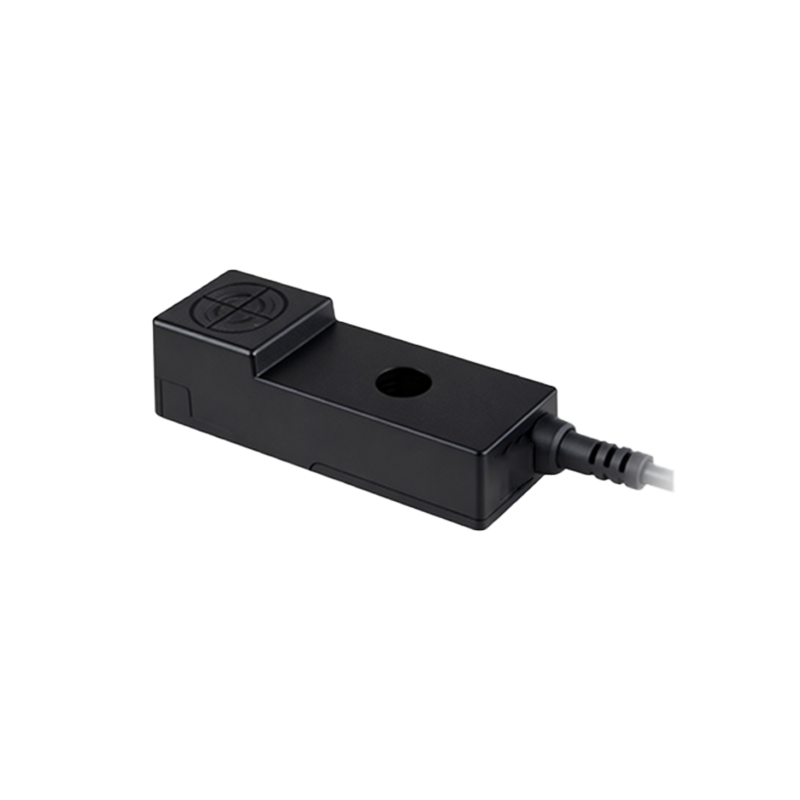
Selecting the right split proximity sensor requires careful consideration of several parameters. The sensing distance, or nominal range, must be suitable for the application, keeping in mind that factors like target material, size, and temperature can affect it. The housing material of the sensing head is critical; brass, stainless steel, or PBT plastic are chosen based on required chemical resistance and mechanical strength. The electrical output type (NPN sinking, PNP sourcing, analog) must be compatible with the programmable logic controller (PLC) or other control system input. Environmental ratings for the sensing head, such as IP67, IP68, or IP69K for ingress protection, and its temperature rating are non-negotiable for reliability. Finally, the required cable length and connector type between the head and amplifier must be specified to ensure proper signal integrity and easy installation.
Installation and wiring demand attention to detail. The sensing head should be mounted securely to minimize vibration effects. For inductive sensors, it's important to ensure a non-metallic surrounding area (the manufacturer-specified flush-mountable or non-flush mountable design) to guarantee the stated sensing range. Cables should be routed away from high-voltage power lines and motor drives to prevent electromagnetic interference. The amplifier unit should be powered according to specifications, and its output wired correctly to the load, often with a protective flyback diode for inductive loads like relays.
In summary, split proximity sensors provide an elegant engineering solution to challenging detection problems. By decoupling the sensitive electronics from the harsh point of operation, they deliver enhanced durability, installation flexibility, and system design options. When specified correctly—matching the sensor type, sensing technology, environmental ratings, and output signal to the specific demands