In the realm of automation, safety, and smart interaction, the ability to detect the presence or absence of an object without physical contact is fundamental. Proximity sensors have long been the workhorses enabling this capability. However, the one-size-fits-all approach is increasingly insufficient for complex, specialized applications. This is where the paradigm of customizable proximity sensors emerges, offering unprecedented flexibility to tailor detection parameters, form factors, and output signals to precise operational requirements.
At its core, a proximity sensor functions by emitting an electromagnetic field or a beam of radiation and looking for changes in the field or return signal. Common technologies include inductive (for metals), capacitive (for both metals and non-metals), ultrasonic, and photoelectric sensors. Traditional off-the-shelf sensors come with fixed specifications: a set sensing range, a predefined switching frequency, a specific housing size, and standardized electrical outputs. While reliable for common tasks, they can pose limitations. What if your application requires a non-standard sensing distance? What if the target material is unique? What if the installation space is highly constrained? Customizable sensors provide the answers.
The power of customization lies in several key areas. First is the adjustment of sensing characteristics. Manufacturers can work with clients to modify the intensity and shape of the sensing field, allowing for precise tuning of the detection range—whether needing a very short, highly focused range to avoid false triggers or an extended range for early warning. The sensitivity can be calibrated for specific target materials, such as detecting a particular type of plastic, liquid level through a glass container, or a specific alloy amidst other metals.
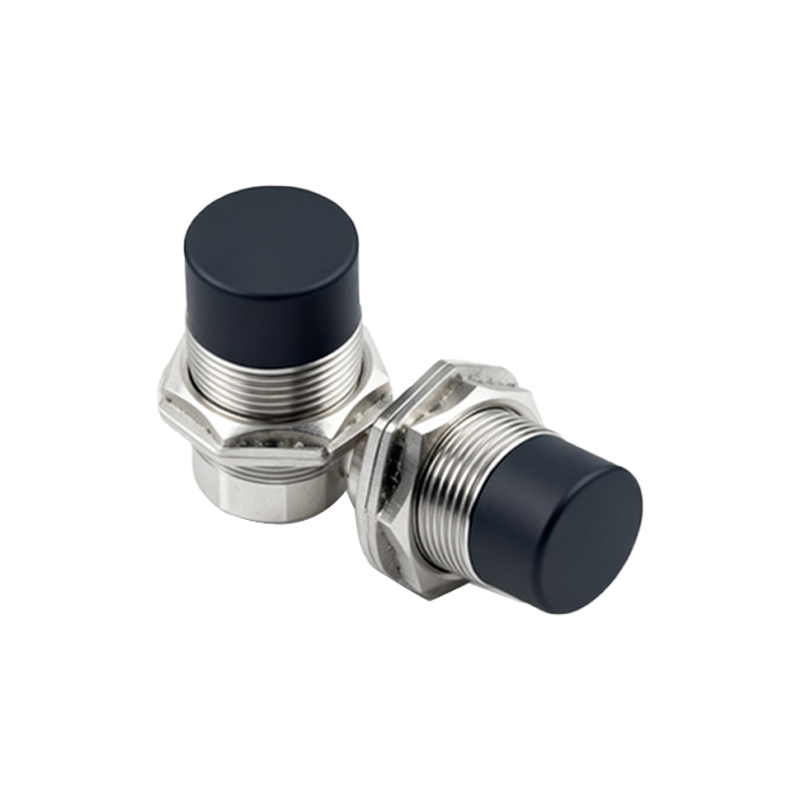
Second is mechanical and housing customization. Sensors can be designed in bespoke shapes and sizes to fit into intricate machinery or harsh environments. This could involve elongated or miniaturized housings, specific connector types, or custom mounting brackets. Materials can also be specialized; sensors destined for washdown environments in food processing might require FDA-approved stainless steel housings and sealed connectors, while those in heavy industry might need extra ruggedization against impact and vibration.
Third, and critically, is output and interface customization. Beyond standard NPN/PNP or relay outputs, sensors can be integrated with analog outputs (4-20mA, 0-10V) that provide continuous distance information, or equipped with IO-Link, PROFINET, or EtherCAT interfaces for seamless integration into Industrial Internet of Things (IIoT) and Industry 4.0 ecosystems. This allows not just binary "on/off" data but rich diagnostic information like temperature, signal strength, and operating hours to be communicated directly to the control system, enabling predictive maintenance.
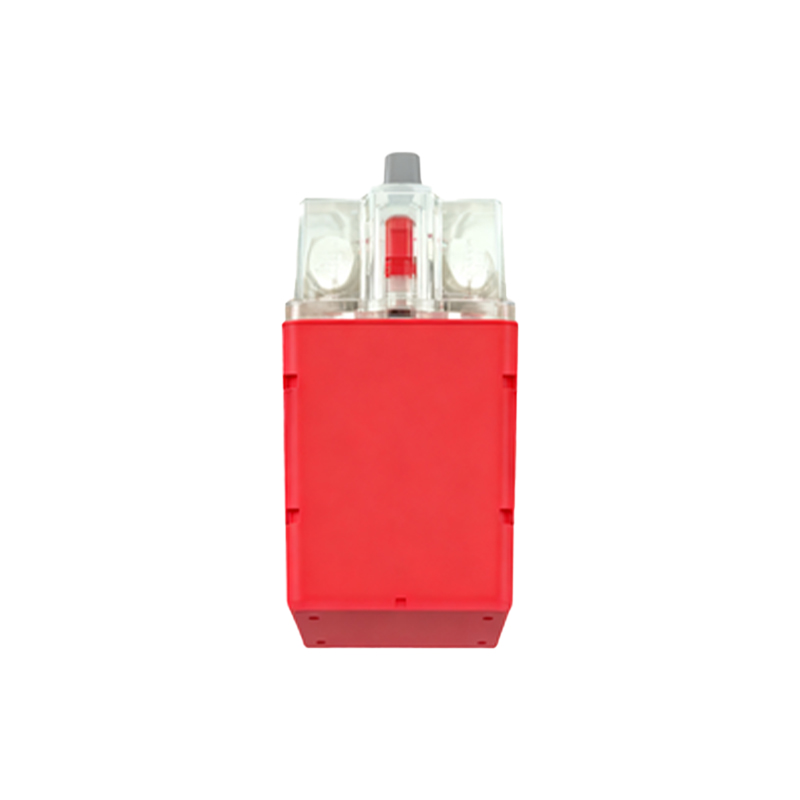
The development process for a customized sensor typically involves close collaboration between the engineering team of the sensor manufacturer and the client's technical staff. It starts with a detailed analysis of the application: the target object's properties, the required sensing distance, environmental conditions (temperature, humidity, contaminants), available power supply, and the desired data output. Prototypes are then developed and tested, often in real or simulated conditions, to validate performance before moving to full-scale production.
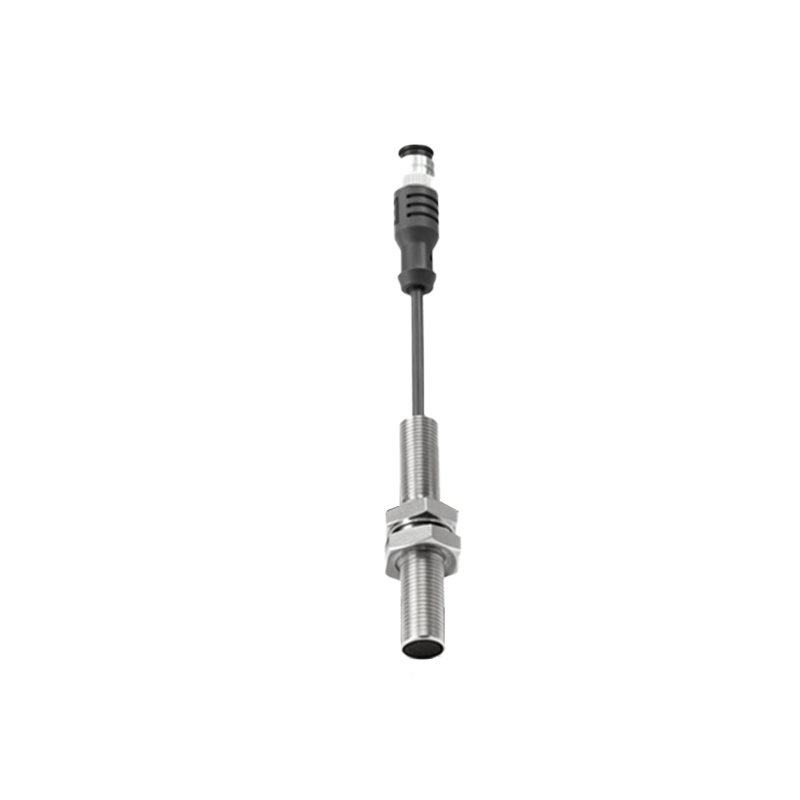
The benefits are substantial. Customized sensors solve problems that standard sensors cannot, reducing the need for complex mechanical workarounds or unreliable sensing setups. They enhance system reliability and precision, leading to fewer false positives, reduced downtime, and higher quality output. In high-volume applications, a perfectly tailored sensor can optimize the entire process flow, offering a significant return on investment despite a potentially higher initial unit cost.
From automated assembly lines where a sensor must ignore fast-moving background objects and detect only a specific component, to medical devices requiring ultra-miniature, biocompatible sensing elements, to agricultural equipment that must reliably detect produce regardless of dirt or moisture, the applications are vast. Customizable proximity sensors represent a shift from merely purchasing a component to co-engineering a solution. They empower designers and engineers to break free from the constraints of catalog specifications and create sensing systems that are, quite literally, a perfect fit for the task at hand. As industries push towards greater efficiency, intelligence, and specialization, the demand for such tailored detection solutions will only continue to grow.