In the realm of industrial automation, proximity sensors are indispensable components for detecting the presence or absence of objects without physical contact. To fully harness their capabilities, appropriate programming software is essential. This article explores the primary software solutions available for configuring and programming proximity sensors, catering to various brands and protocols.
Firstly, many leading sensor manufacturers provide dedicated software tools. For instance, Siemens offers SIMATIC S7-PLCSIM and TIA Portal, which integrate seamlessly with their SIMATIC sensors. These platforms allow users to simulate, configure, and diagnose sensors within a unified automation environment. Similarly, Rockwell Automation's Studio 5000 and Connected Components Workbench support Allen-Bradley proximity sensors, enabling parameter adjustment and network integration via EtherNet/IP or DeviceNet. For Omron sensors, CX-Programmer and Sysmac Studio are widely used, offering robust features for programming and monitoring in complex systems.
Open-protocol and universal software options are also prevalent. Tools like IO-Link Configuration Tools (e.g., from ifm or Balluff) facilitate the setup of IO-Link enabled proximity sensors, providing access to detailed diagnostic data and parameterization. Additionally, PROFINET configuration tools, such as PROFINET System Description (PDS), allow for sensor integration in PROFINET networks, supporting devices from multiple vendors. For simpler sensors, generic HMI/SCADA software like Ignition or WinCC can be employed to visualize and manage sensor data through OPC UA or Modbus protocols.
When selecting software, key considerations include compatibility with sensor models (e.g., inductive, capacitive, or ultrasonic types), support for communication protocols (like IO-Link, PROFINET, or EtherCAT), and user interface intuitiveness. Most modern software emphasizes ease of use, with drag-and-drop configuration, real-time monitoring, and diagnostic alerts. For advanced applications, features like predictive maintenance analytics and cloud connectivity are becoming standard, enhancing operational efficiency.
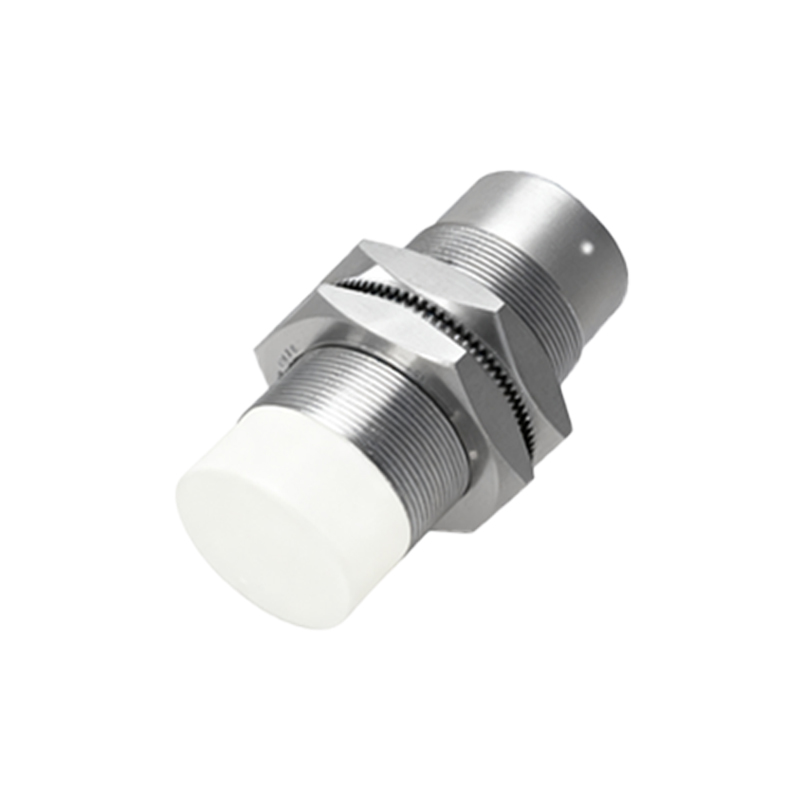
In practice, programming proximity sensors typically involves steps such as device discovery, parameter setting (e.g., switching distance or output mode), and testing via simulation. Software like SICK's SOPAS ET or Pepperl+Fuchs' PACTware streamlines these tasks, offering project management and documentation tools. It's advisable to consult manufacturer guidelines and leverage online resources, such as tutorials or forums, to optimize software usage.
Ultimately, the choice of programming software depends on specific project requirements, including scalability, interoperability, and budget. As Industry 4.0 evolves, integrated platforms that combine sensor programming with broader automation systems are gaining traction, paving the way for smarter, more responsive industrial environments.