In the realm of industrial automation and electronic systems, proximity sensors stand as fundamental components, enabling machines to "sense" the presence or absence of objects without physical contact. A proximity sensor is a device that detects the presence of nearby objects and outputs a corresponding signal. This non-contact detection capability is crucial for applications requiring high reliability, speed, and durability, where mechanical switches would fail or wear out prematurely.
The core principle behind most proximity sensors involves generating an electromagnetic field or a beam of radiation and then monitoring for changes in that field or the return signal. The detected object, often referred to as the "target," interacts with this field, causing a detectable change that triggers the sensor's switching circuitry. This operation eliminates mechanical wear, reduces maintenance, and allows for detection of a wide variety of materials, including metals, plastics, liquids, and even granular substances.
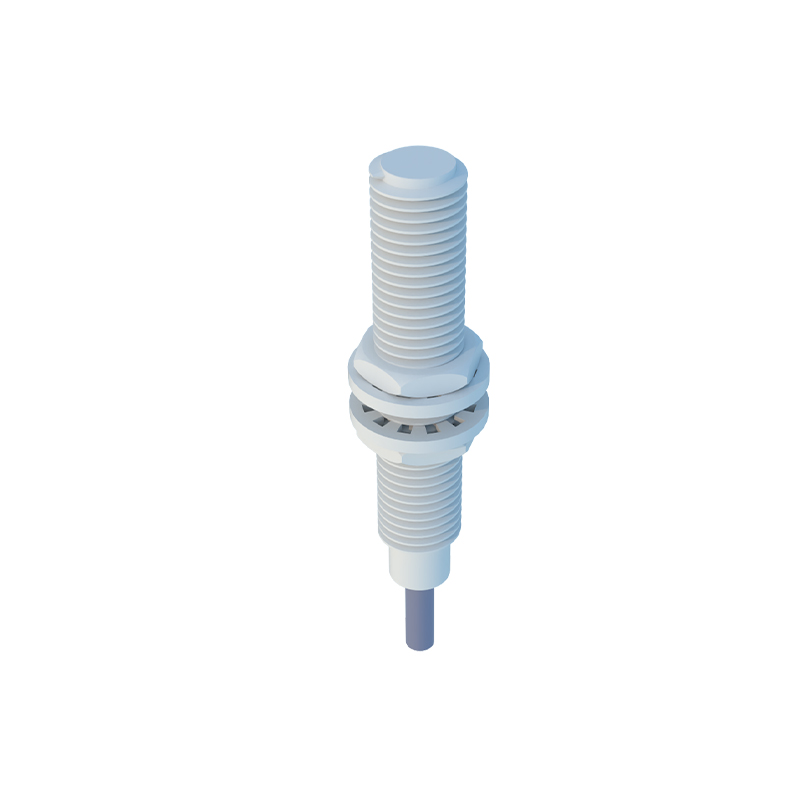
Several primary types of proximity sensors dominate the market, each with distinct operating principles and ideal use cases. Inductive proximity sensors are among the most common. They generate an oscillating electromagnetic field. When a metallic target enters this field, it induces eddy currents within the metal, which dampens the oscillation. The sensor detects this damping and switches its output state. These sensors are excellent for detecting ferrous and non-ferrous metals but are ineffective for non-metallic materials. They are widely used in machine tools, automotive assembly, and material handling for tasks like counting metal parts or determining piston position.
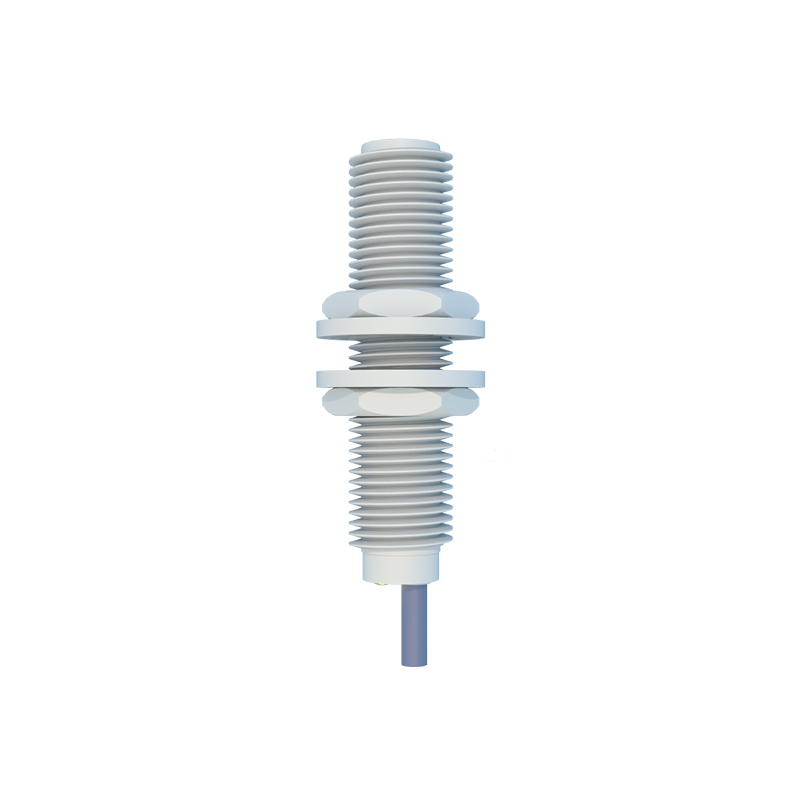
Capacitive proximity sensors, on the other hand, can detect both metallic and non-metallic materials. They function by generating an electrostatic field. Any object with a dielectric constant different from air (which includes almost all materials) entering this field alters its capacitance. The sensor measures this change to detect the object. This makes capacitive sensors versatile for detecting liquids, plastics, wood, granules, and even glass. Common applications include level detection in tanks, material presence sensing on conveyor belts, and touch-sensitive controls.
Photoelectric sensors operate on a different principle, using light beams. An emitter sends out a beam of light (visible, infrared, or laser), and a receiver detects it. The presence of an object is sensed either by the interruption of the beam (through-beam mode), by the reflection of the beam from the object back to a receiver housed in the same unit (retro-reflective or diffuse reflective modes). Photoelectric sensors offer the longest sensing ranges and can detect objects of virtually any material, as long as they affect the light path. They are indispensable in packaging, bottling, and automated storage and retrieval systems.
Ultrasonic sensors use sound waves beyond the human hearing range. They emit high-frequency sound pulses and measure the time it takes for the echo to return. By calculating this time-of-flight, they can determine the distance to an object. Ultrasonic sensors are excellent for detecting objects regardless of color, transparency, or material, and are particularly effective for liquid level control, distance measurement, and detecting clear objects like glass bottles.
Magnetic proximity sensors, or reed switches, are activated by the presence of a permanent magnet. They are simple, cost-effective, and used in applications like door/window security sensors and detecting the position of cylinder pistons.
Selecting the right proximity sensor requires careful consideration of several factors. The target material is paramount; choose inductive for metals, capacitive for a broader range, and photoelectric or ultrasonic for non-metals or complex detection needs. The sensing distance, or range, must be specified with a safety margin, considering the sensor's rated operating distance. Environmental conditions such as temperature, humidity, presence of dust, oils, or chemicals can severely impact sensor performance and longevity, necessitating sensors with appropriate ingress protection (IP) ratings. The output type (e.g., NPN, PNP, analog, IO-Link) must be compatible with the control system (PLC). Finally, physical characteristics like size, shape (barrel or rectangular), and mounting style are critical for integration into the machinery.
In conclusion, proximity sensors are the silent sentinels of modern automation. From ensuring precise positioning in robotic arms to safeguarding operators by detecting human presence in hazardous areas, their role is indispensable. Understanding their types, operating principles, and selection criteria is essential for any engineer or technician designing, maintaining, or optimizing automated systems. As technology advances, sensors continue to become smarter, smaller, and more integrated with industrial networks, further solidifying their position as a cornerstone of industrial innovation.