In the realm of industrial automation and machinery, the presence and quality of integrated sensors are critical factors influencing equipment selection and system performance. A common inquiry among engineers and system integrators is: "Does the V9 model have a proximity sensor?" This article provides a detailed technical examination of this question, addressing specifications, typical applications, and considerations for implementation.
The term "V9" often refers to a specific model series of industrial components, such as motor drives, actuators, or control units. The inclusion of a proximity sensor is not a universal standard across all products branded with a "V9" designation. It is fundamentally dependent on the manufacturer, the exact product line, and the intended function. Therefore, a blanket statement confirming or denying its presence is not technically accurate. The first step for any professional is to consult the official datasheet and technical manual for the specific V9 product in question. Reputable manufacturers like Siemens, Allen-Bradley, or Omron (if they use such a naming convention) will explicitly list all integrated sensing capabilities.
In many industrial contexts, a V9-series device, particularly if it is a servo motor or a compact drive, may incorporate a non-contact proximity sensor for positional feedback or homing operations. These are often inductive or Hall-effect sensors designed to detect the presence of a metal target (like a gear tooth or a flag on a rotor) without physical contact. The key specifications to look for in the documentation include:
Sensor Type: Inductive, capacitive, or magnetic.
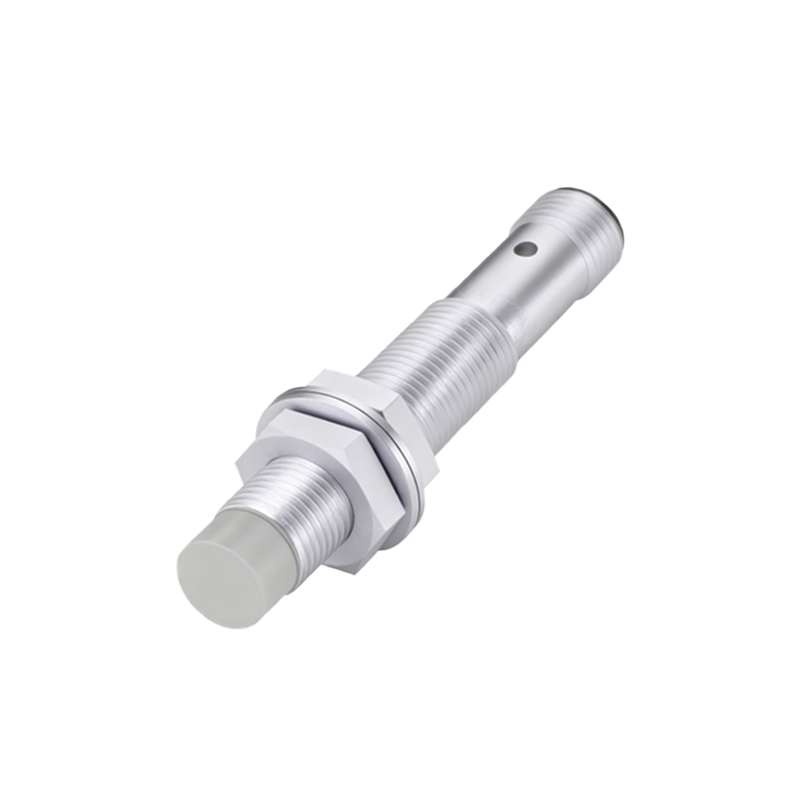
Output Type: Typically PNP (sourcing) or NPN (sinking) digital output, or sometimes an analog signal.
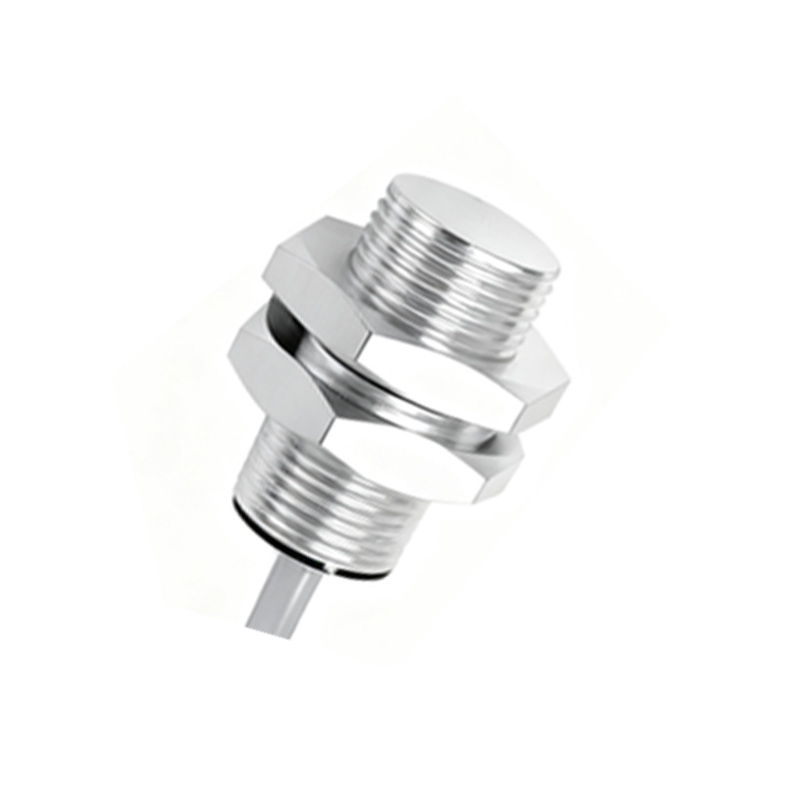
Sensing Distance: The nominal range (e.g., 2mm, 5mm) at which the target is reliably detected.
Response Frequency: The maximum switching speed, crucial for high-speed applications.
Environmental Ratings: IP (Ingress Protection) rating for dust and moisture resistance, and temperature operating range.
If the standard V9 unit does not include an integrated proximity sensor, it is a common and straightforward engineering practice to add an external one. Industrial proximity sensors are modular, robust, and available in myriad form factors (cylindrical, rectangular, ring-shaped). They can be easily interfaced with the V9 device's control inputs or a broader PLC (Programmable Logic Controller) system. The wiring typically involves connecting the sensor's power leads (often 10-30V DC) and its signal output wire to the corresponding terminals on the V9 controller or the PLC's digital input module.
The primary applications for a proximity sensor in conjunction with a V9-driven system are extensive:
1. Position Verification: Confirming that a linear actuator or rotary stage has reached its end-of-travel or a specific intermediate position.
2. Speed and RPM Monitoring: By detecting passing teeth on a gear, the sensor provides pulses that can be calculated into rotational speed.
3. Object Detection on Conveyors: Sensing the presence of metallic parts or pallets for process initiation or counting.
4. Safety Interlocking: Used as part of a safety circuit to detect if a guard door is closed before enabling machine operation.
5. Tool Presence Detection: In automated machinery, verifying that a drill bit or spindle tool is correctly seated.
When integrating a proximity sensor with a V9 system, several engineering considerations are paramount:
Electrical Compatibility: Ensuring the sensor's output signal voltage and current are within the acceptable range of the V9 unit's input circuit. Mismatches can lead to non-operation or hardware damage.
Mounting and Alignment: Precise mechanical mounting is essential for reliable sensing. The sensor must be securely fixed at the correct distance and orientation relative to the target.
Environmental Factors: In environments with heavy metal chips, excessive vibration, or strong electromagnetic interference, selecting a sensor with appropriate shielding and robust construction is necessary.
Diagnostics: Many modern sensors have LED indicators for status, which aids greatly in troubleshooting during commissioning and maintenance.
In conclusion, the answer to "Does V9 have a proximity sensor?" is meticulously detailed in the product's technical documentation. While some V9 variants may include this feature as a built-in component for specific feedback purposes, it is equally standard to employ an external proximity sensor tailored to the application's precise needs. The decision hinges on the required functionality, performance parameters, and the specific model's factory configuration. For optimal system design, engineers should prioritize a thorough review of manufacturer specifications and consider the sensor integration as a fundamental aspect of the overall control architecture.