Electromagnetic proximity sensors, often referred to as inductive proximity sensors, are fundamental components in modern industrial automation and control systems. These non-contact devices detect the presence or absence of metallic objects within their sensing range, providing reliable and durable solutions for countless applications. Their functionality is based on the principles of electromagnetic induction, which allows them to operate effectively in harsh environments where mechanical switches or optical sensors might fail.
At the core of an electromagnetic proximity sensor is an oscillator circuit that generates a high-frequency electromagnetic field. This field emanates from the active face of the sensor, typically a coil wound around a ferrite core. When a metallic object enters this oscillating field, eddy currents are induced on the surface of the target. These eddy currents draw energy from the sensor's oscillator, resulting in a measurable change in the oscillation amplitude. An evaluation circuit within the sensor monitors this change. Once the amplitude drop reaches a predetermined threshold—indicating the object is within the specified sensing distance—the sensor's output state switches. This output is typically a solid-state switch, either as a PNP (sourcing) or NPN (sinking) transistor, which can interface directly with programmable logic controllers (PLCs), relays, or other control system inputs.
The key functional characteristics of these sensors include their sensing range, repeat accuracy, and switching frequency. The nominal sensing range, usually between a few millimeters to several tens of millimeters, is standardized for different sensor sizes and is typically calibrated for mild steel. Different metals affect the sensing distance; for instance, stainless steel may reduce the range, while copper or aluminum reduces it even further. This factor must be carefully considered during system design. Repeat accuracy refers to the sensor's ability to consistently detect an object at the same point, which is critical for precision positioning tasks. Switching frequency, measured in Hertz (Hz), defines how quickly the sensor can detect objects passing by, making it vital for high-speed counting or sorting applications.
A major functional advantage is their robustness. Since detection relies on an electromagnetic field, these sensors are inherently immune to common industrial contaminants like dust, oil, coolant, and non-metallic debris. They do not have moving parts that can wear out, leading to exceptionally long service life and minimal maintenance. Furthermore, they are available in various housing styles (cylindrical, rectangular, ring-shaped) and output configurations to suit diverse mounting and wiring requirements.
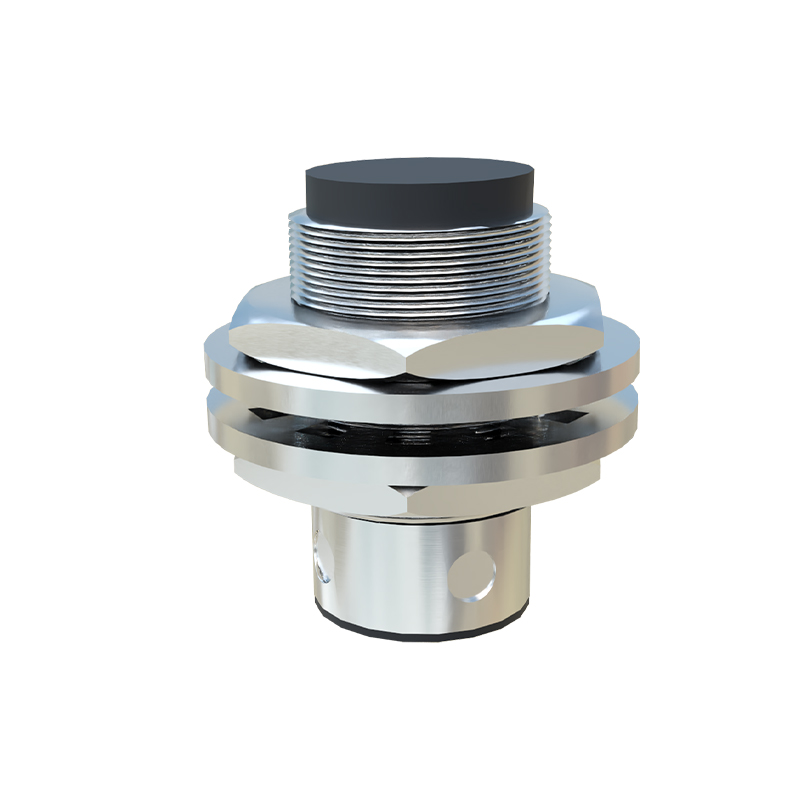
Industrial applications are vast. In automotive manufacturing, they are used for part presence verification on assembly lines, detecting pistons, engine blocks, or gear teeth. In material handling, they monitor the position of metal pallets on conveyors or act as limit switches on automated guided vehicles (AGVs). In machine tools, they provide end-position detection for hydraulic cylinders or spindle positioning. Packaging machinery utilizes them for cap detection on bottles or registration mark sensing on metalized packaging films. Their ability to function reliably near welding sparks, strong vibrations, and washdown conditions makes them indispensable.
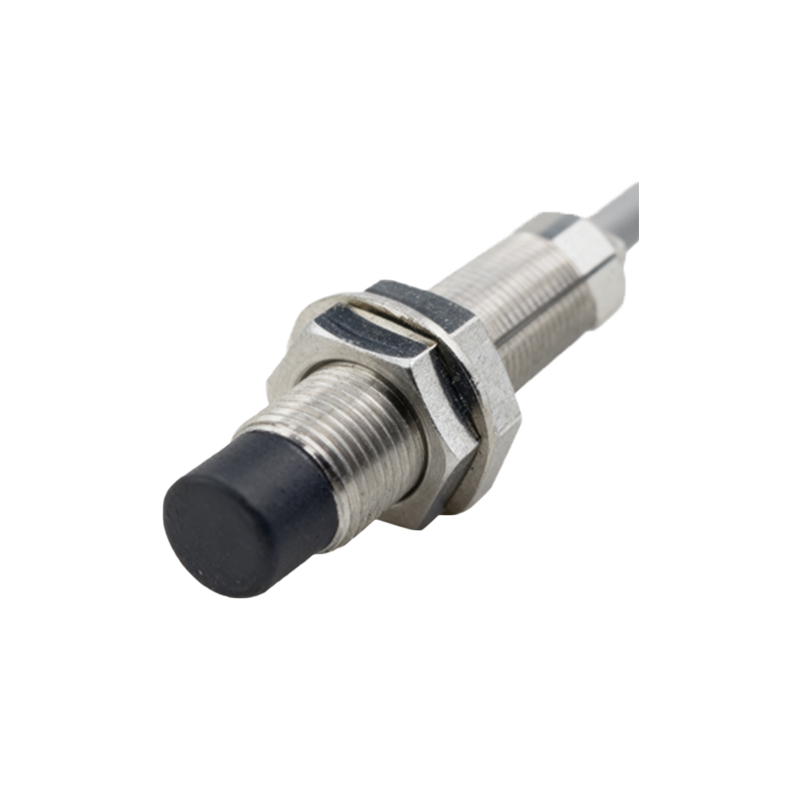
When selecting an electromagnetic proximity sensor, engineers must evaluate several parameters: the target material and size, required sensing distance, environmental conditions (temperature, pressure, potential for physical impact), electrical requirements (operating voltage, current load, output type), and housing material (often nickel-plated brass or stainless steel for corrosion resistance). Proper installation is also crucial; surrounding metallic structures can influence the magnetic field, so maintaining the recommended lateral and axial clearance from mounting surfaces is necessary for consistent performance.
In summary, the functionality of electromagnetic proximity sensors revolves around a simple yet highly effective physical principle. They translate the presence of a metallic target into a clean, fast electrical signal, forming the sensory foundation for automated systems that demand durability, speed, and precision. Their continued evolution includes miniaturization, increased sensing ranges, and integration of advanced diagnostics like IO-Link communication, which provides data on operating health and parameter status, paving the way for smarter, more connected industrial environments.