In the realm of modern grain handling and agricultural operations, the GR80 unloading auger stands as a critical component for efficient material transfer. Central to its reliable and safe operation is the often-overlooked yet indispensable proximity sensor. This article delves into the technical specifications, operational principles, and paramount importance of the proximity sensor integrated within the GR80 unloading auger system, offering insights for engineers and maintenance professionals.
The GR80 unloading auger, typically employed in combine harvesters and grain carts, is responsible for conveying harvested grain from the machine's hopper to a transport vehicle or storage unit. Its operation involves rotating helical flighting within a tube, which moves the grain via a screw conveyor mechanism. During this process, it is crucial to monitor the auger's position—specifically whether it is fully retracted and stowed or correctly deployed for unloading. This is where the proximity sensor proves its worth.
A proximity sensor on the GR80 auger is a non-contact electronic device designed to detect the presence or absence of the auger's metallic components at a specific point in its travel path. Most commonly, these sensors are inductive type, engineered to sense ferrous metals. They operate on the principle of electromagnetic induction. The sensor generates an oscillating electromagnetic field. When a metal target—such as a bracket, latch, or a designated section of the auger tube—enters this field, eddy currents are induced in the target. This causes a change in the oscillation amplitude or frequency within the sensor's circuit. The sensor's internal electronics detect this change and trigger a solid-state switch, sending a signal to the machine's central control unit (CCU) or operator interface.
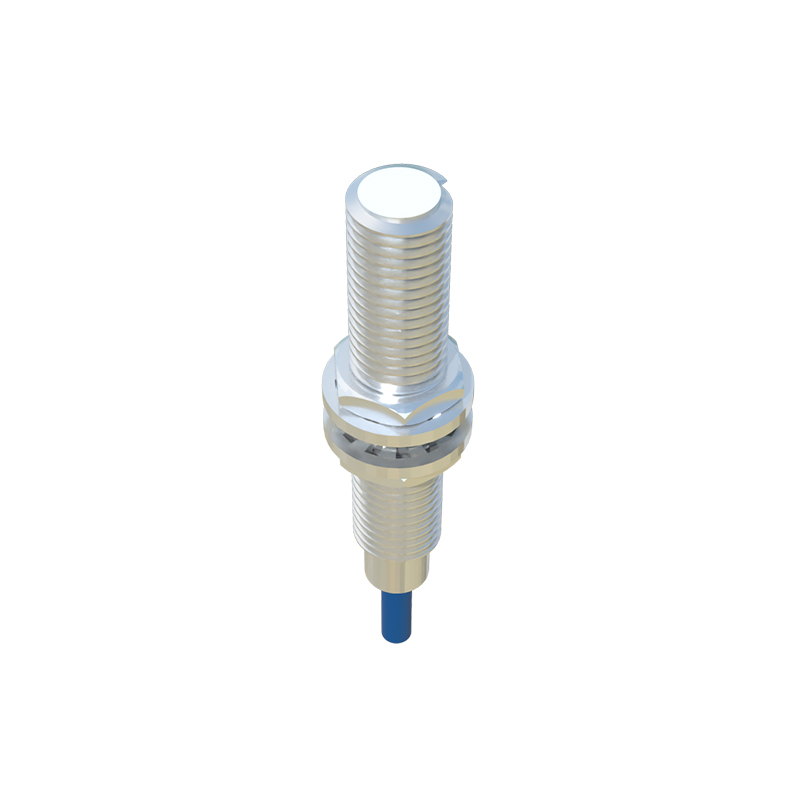
The primary function is position verification. For safety and operational integrity, the combine's control system must confirm that the unloading auger is completely stowed before the machine is allowed to move. The proximity sensor, typically mounted on the main frame, detects when the auger has reached its fully retracted "home" position. Only upon receiving this confirmation signal will the CCU permit the machine to travel or engage certain other functions. Conversely, during setup for unloading, the sensor can verify proper deployment and alignment.
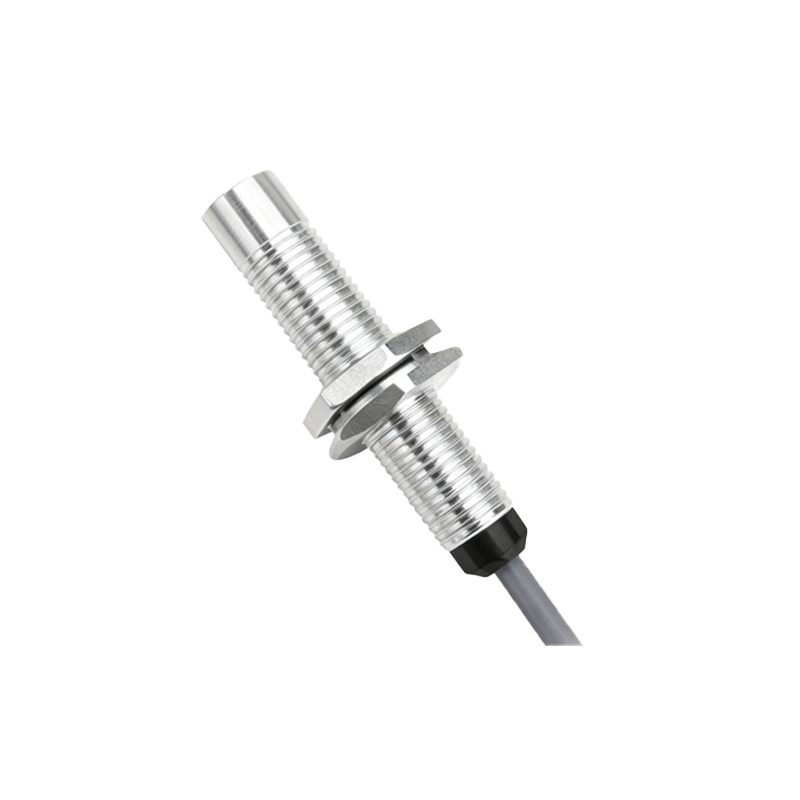
The benefits of a properly functioning GR80 auger proximity sensor are multifaceted. First and foremost is enhanced safety. By preventing accidental machine movement with an extended auger, the sensor mitigates the risk of catastrophic collisions with obstacles, power lines, or other equipment, thereby protecting both personnel and assets. Secondly, it boosts operational efficiency. Automated position sensing eliminates guesswork for the operator, streamlines the stowing/deployment sequence, and reduces the potential for manual errors or incomplete stowing that could lead to damage during transit. Furthermore, it contributes to system diagnostics. A faulty or misaligned sensor will generate an error code on the display, alerting the operator to a problem before it escalates into mechanical failure or unsafe operation.
Common issues encountered with these sensors include physical damage from impact or vibration, accumulation of dust and chaff leading to false readings, misalignment due to frame flex or loose mounting hardware, and eventual electrical failure. Maintenance is straightforward but essential. Regular inspection should involve checking the sensor's mounting bracket for tightness and ensuring its face is clean and positioned at the correct gap (usually 1-3 mm) from the target metal. Wiring and connectors should be inspected for corrosion, chafing, or breaks. Diagnostic tools like a multimeter can be used to verify the switching signal.
When replacement is necessary, it is critical to select an OEM-specified or equivalent sensor with the correct electrical characteristics (e.g., PNP/NPN output, voltage rating), housing material (often ruggedized plastic or metal), and connection type. Incorrect replacement can lead to incompatible signals or premature failure.
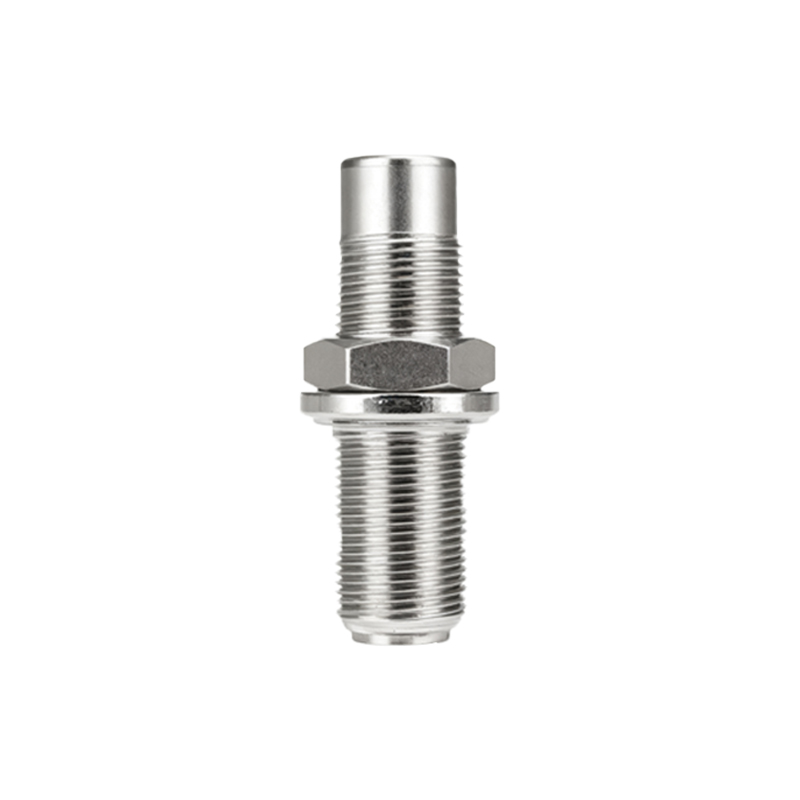
In conclusion, the proximity sensor on the GR80 unloading auger is a small component with a significant role. It acts as a silent sentinel, ensuring that the powerful mechanical system operates only when conditions are safe and correct. For engineers and technicians, understanding its function, maintaining its condition, and promptly addressing faults are key practices in upholding the reliability, efficiency, and, most importantly, the safety of grain harvesting equipment. As automation in agriculture advances, the precision and reliability of such sensing elements will only grow in importance.