In industrial automation and control systems, proximity sensors are indispensable components for detecting the presence or absence of objects without physical contact. Among various types, inductive proximity sensors are widely utilized for their reliability and durability in harsh environments. A fundamental aspect of their operation revolves around the concept of a "conductive target" or "conductor." This article delves into what constitutes a conductive target, its role in sensor functionality, material considerations, and practical application insights.
Inductive proximity sensors generate an electromagnetic field via a coil and oscillator circuit. When a conductive target enters this field, eddy currents are induced on the target's surface. These currents absorb energy from the sensor's oscillator, causing a change in oscillation amplitude or frequency. The sensor's detection circuit monitors this change, triggering an output signal—typically a switch to ON or OFF state. Thus, the conductive target is any material that can support eddy current formation, essentially metals or other electrically conductive substances.
The effectiveness of a conductive target depends on its material properties, primarily electrical conductivity and magnetic permeability. Metals like copper, aluminum, brass, and steel are common examples. Ferromagnetic materials such as iron or carbon steel exhibit high magnetic permeability, which enhances eddy current generation and allows for longer detection ranges. Non-ferrous metals like aluminum or copper have lower permeability but higher conductivity, often requiring closer proximity for reliable detection. Sensor datasheets usually specify a "correction factor" based on target material, with mild steel (Fe360) as the standard reference (factor 1.0). For instance, aluminum might have a factor of 0.4, meaning the detectable distance is reduced to 40% of the nominal range.
Beyond material, target geometry and size influence performance. Ideally, the target should be flat and larger than the sensor's sensing face to ensure maximum coupling with the electromagnetic field. Standard guidelines recommend a thickness of at least one-tenth of the sensor's nominal sensing distance to avoid attenuation effects. For small or irregularly shaped targets, such as bolts or wires, detection may be less consistent, necessitating testing under real conditions. Additionally, surface conditions like oxidation or coatings (e.g., paint, plating) can impact conductivity. While thin non-conductive coatings are often tolerable, thick or metallic coatings may alter detection characteristics, requiring calibration or sensor adjustment.
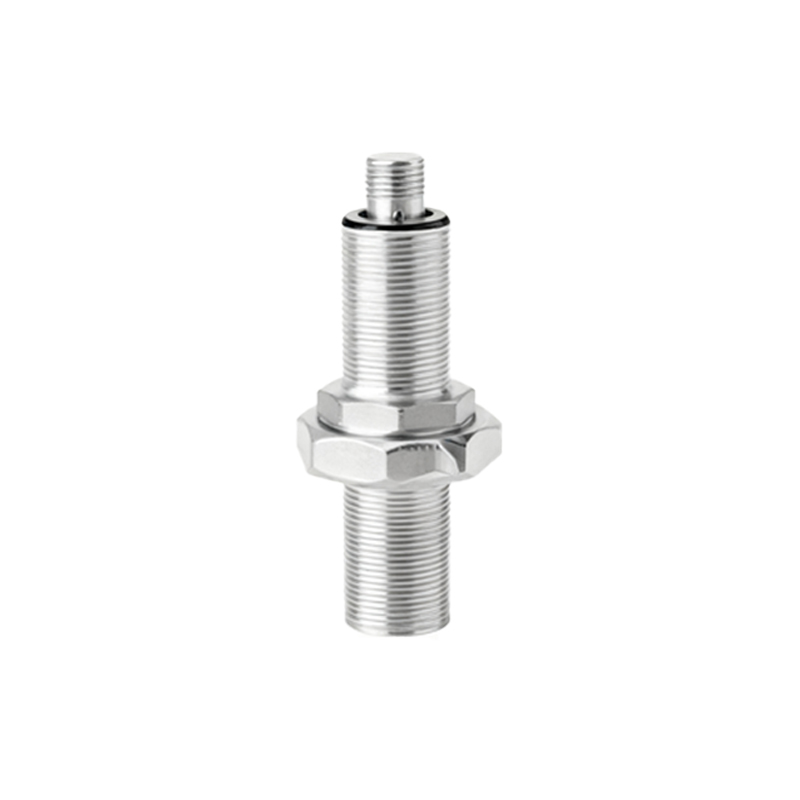
In practical applications, selecting the right conductive target is critical for system accuracy. For example, in automotive assembly lines, inductive sensors detect metal components like engine blocks or gears, where steel targets provide robust signals. In food processing, sensors might encounter stainless steel containers, which, though conductive, have lower permeability than carbon steel, potentially reducing range. Engineers must account for environmental factors too: temperature extremes can affect material conductivity, while nearby metals (background interference) might cause false triggers. Shielding or using sensors with built-in immunity features can mitigate such issues.
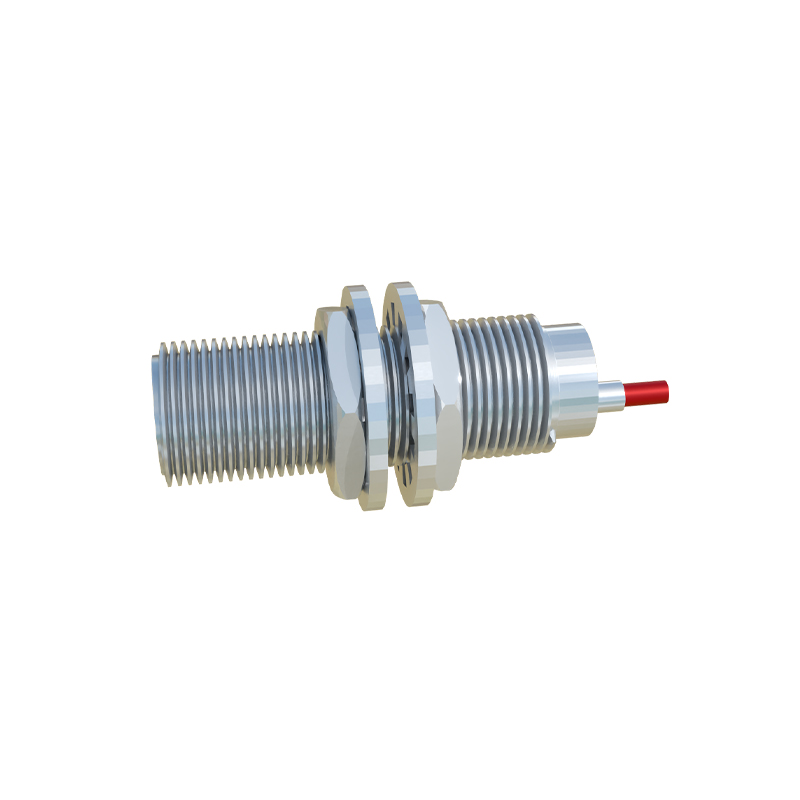
Maintenance and troubleshooting also hinge on understanding conductive targets. Common failures, like decreased sensing range, often stem from target degradation (e.g., corrosion) or improper alignment. Regular inspection ensures targets remain clean and within specified tolerances. For non-standard materials, such as conductive plastics or composites, verification through sensor testing is advisable, as their properties may deviate from traditional metals.
In summary, a conductive target for proximity sensors is any electrically conductive material that interacts with an electromagnetic field to enable non-contact detection. Its composition, shape, and environment directly affect sensor performance, making careful selection and testing paramount in industrial designs. By mastering these principles, engineers can optimize automation systems for efficiency and reliability, leveraging proximity sensors as precise tools in modern manufacturing and beyond.