Proximity sensors are fundamental components in modern industrial automation, robotics, and machinery. Selecting the correct model and specification is critical for ensuring system reliability, safety, and efficiency. This guide provides a detailed overview of the primary proximity sensor models and their key technical specifications, tailored for engineers and procurement specialists in the electrical and automation fields.
The first major classification is by sensing technology. The most prevalent models include Inductive, Capacitive, Ultrasonic, and Photoelectric sensors.
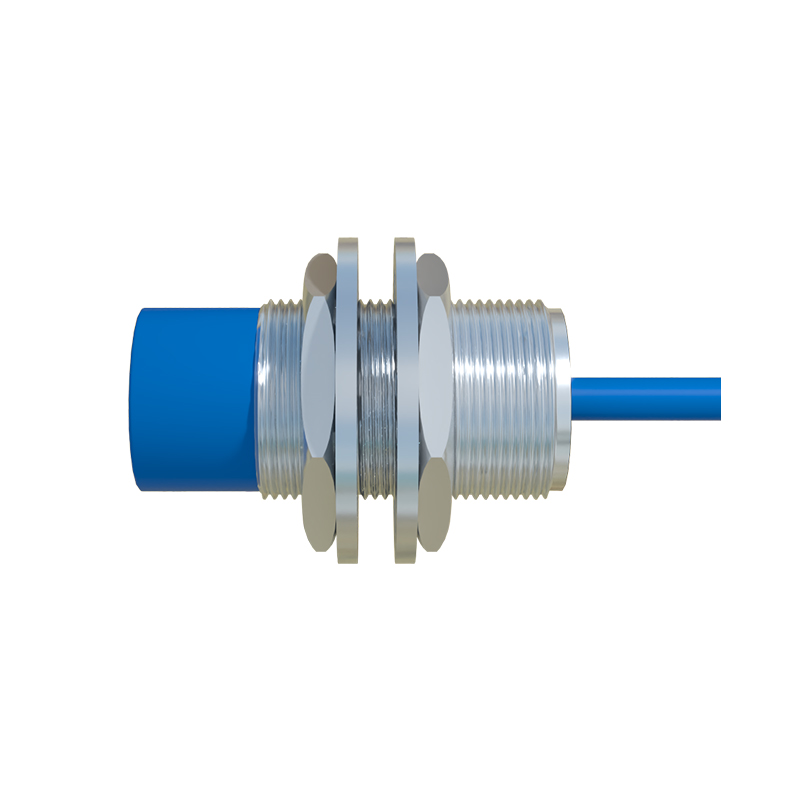
Inductive Proximity Sensors: These are the workhorses of metal detection. They generate an electromagnetic field and detect the eddy current losses caused by a metallic target. Common models are categorized by their housing shape: cylindrical (e.g., M8, M12, M18, M30 standard threaded barrels), rectangular, and ring-shaped. Key specifications include:
Sensing Distance: Ranges from 1mm to 60mm typically, specified as the "rated operating distance (Sn)." Factors like target material (steel, aluminum, brass) affect this distance.
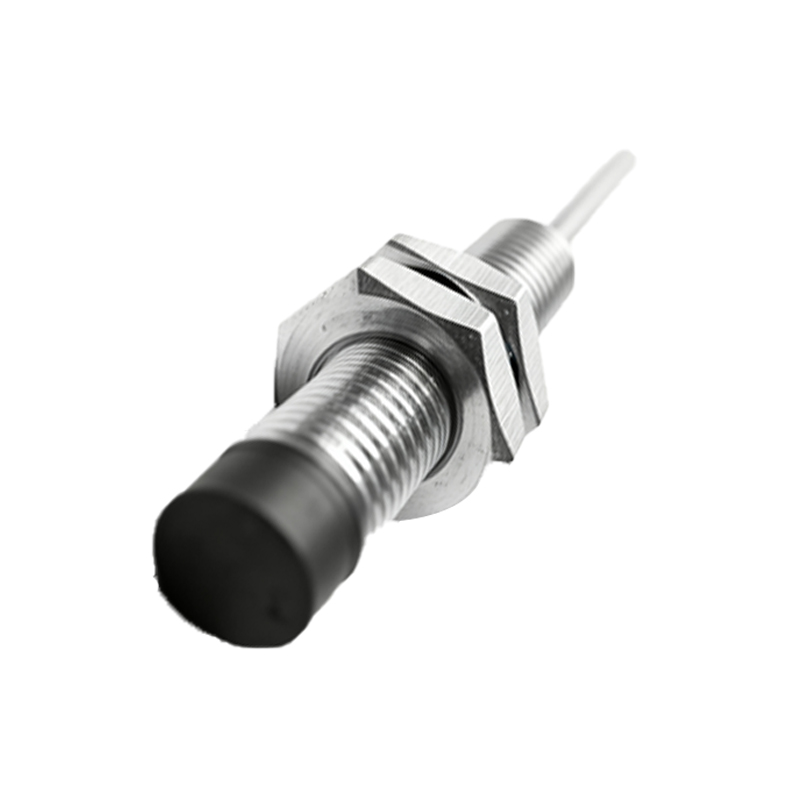
Output Type: DC models offer NPN (sinking) or PNP (sourcing) transistor outputs. AC/DC models often feature relay or solid-state outputs. 2-wire, 3-wire, and 4-wire (with dual outputs or IO-Link) configurations are available.
Shielding: Shielded (flush-mountable) models allow installation in metal without affecting the sensing field, while unshielded models offer a longer sensing range.
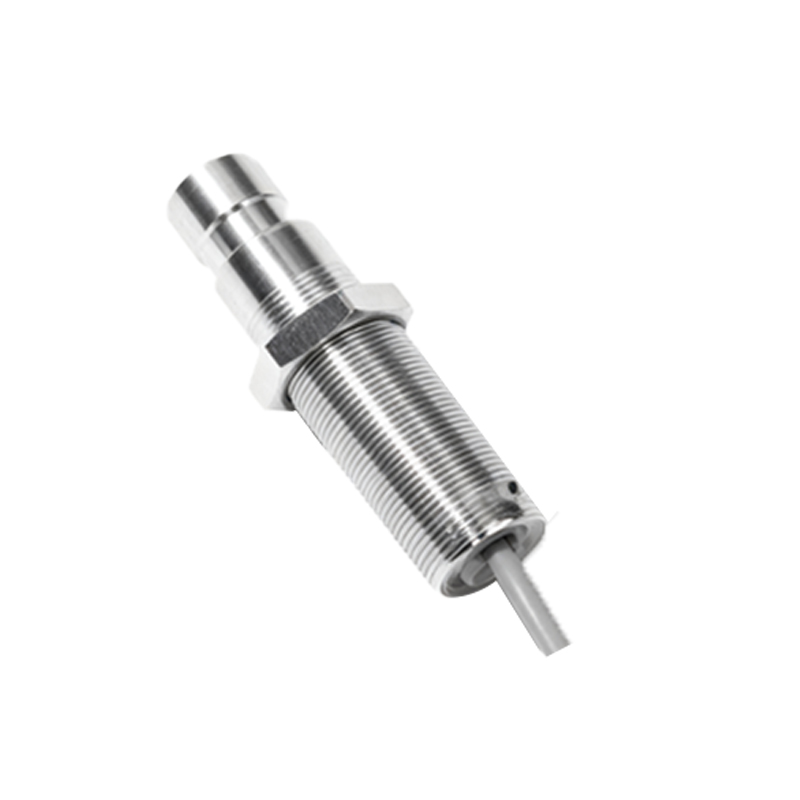
Switching Frequency: Indicates how many on/off cycles per second the sensor can handle, crucial for high-speed counting applications (e.g., from 10 Hz to 5 kHz).
Housing Material: Typically nickel-plated brass or stainless steel (V2A, V4A) for corrosion resistance.
Protection Class: IP67 and IP69K are standard for dust and water immersion protection.
Capacitive Proximity Sensors: These detect both metallic and non-metallic materials (liquids, plastics, wood, glass) by measuring changes in capacitance. They often resemble inductive cylindrical models. Key specifications mirror inductive sensors but with a focus on:
Sensing Distance: Generally shorter than inductive, adjustable via a potentiometer to compensate for different material dielectric constants.
Target Material: Specification sheets detail sensitivity adjustments for various materials.
Ultrasonic Proximity Sensors: Utilizing sound waves, these sensors measure time-of-flight to detect objects and can also gauge distance (analog output). They are excellent for transparent, shiny, or variably colored objects that confuse photoelectric sensors.
Sensing Range: Can be quite long, from 30mm up to several meters.
Beam Pattern: Specifications include the beam angle (e.g., 5° narrow, 25° wide).
Response Time: Slower than inductive or photoelectric due to sound wave propagation.
Output: Discrete switch points and/or analog 4-20mA or 0-10V outputs for continuous distance measurement.
Photoelectric Sensors: These use light beams (visible red, infrared, laser) and come in several models: Through-beam (separate emitter and receiver), Retro-reflective (with a reflector), and Diffuse (reflective). Specifications are diverse:
Sensing Mode: As above, defining installation complexity and range.
Light Source: LED (long life), Laser (precise, long-range).
Sensing Range: Through-beam offers the longest range (up to 100m+), diffuse the shortest.
Special Functions: Background suppression, foreground suppression, color contrast detection, and luminescence sensing are model-specific features.
Beyond technology, universal specifications apply:
Supply Voltage: 10-30V DC, 20-250V AC, or AC/DC wide-range.
Output Current: The maximum load the sensor can switch (e.g., 200mA).
Electrical Connection: Pre-wired cable, quick-disconnect (M12, M8 connectors), or terminal compartment.
Environmental Ratings: Operating temperature (typically -25°C to +70°C), resistance to chemicals, welding immunity (for inductive sensors in weld zones), and shock/vibration resistance.
Standards Compliance: IEC 60947-5-2, UL, CE, etc.
Selecting the right model requires a systematic approach: Define the target material, required sensing distance, required switching speed (frequency), environmental conditions (washdown, oils, metal chips), electrical interface (PLC input type), and physical space constraints. Always consult the manufacturer's detailed datasheet